

Gas prices in the UK and Europe surged sharply after missile strikes hit Qatar’s key energy infrastructure, triggering fresh concerns over global supply disruptions amid escalating tensions between Iran and Israel.Wholesale gas prices jumped by around 25 per cent in early trading, pushing UK prices to nearly 170–175p per therm. Although prices eased slightly later, they remain more than double the levels seen before the conflict began.The spike follows attacks on the Ras Laffan Industrial City, the world’s largest liquefied natural gas (LNG) facility, raising fears of prolonged disruption to global energy supplies.
What led to the surge in gas prices
The latest surge was sparked by a chain of retaliatory strikes.
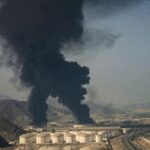
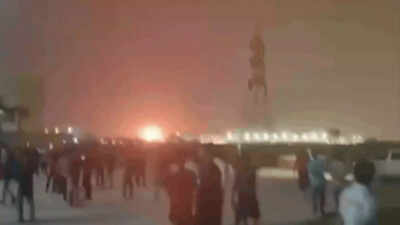
Israel targeted Iran’s South Pars gas field, one of the world’s largest natural gas reserves, prompting Iran to respond with missile attacks on Qatar’s LNG facilities.The strikes caused “extensive damage” to infrastructure at Ras Laffan, including the Pearl gas-to-liquids plant. Fires were reported but later contained, though production had already been halted earlier due to prior attacks.Markets reacted sharply because Qatar plays a crucial role in global energy supply.
The country accounts for nearly one-fifth of the world’s LNG exports, making any disruption highly significant, especially for Europe, which has increased reliance on Qatari gas after reducing imports from Russia.Analysts warn that even a few months of disruption could remove a meaningful share of global LNG supply, tightening markets and driving prices higher.
Trump issues warning to Iran
Amid the escalating crisis, US President Donald Trump issued a stern warning, threatening severe consequences if Iran continues targeting regional energy infrastructure.He reportedly warned that further attacks could lead to a massive escalation, including potential strikes on Iran’s key gas assets.Meanwhile, the US has taken steps to stabilise energy flows, including temporarily easing shipping restrictions to allow more flexible transport of oil and gas.
Global markets rattled as Middle East conflict deepens
The energy shock has rippled across financial markets. Stock indices in Asia and Europe fell sharply, reflecting investor concerns over a prolonged conflict and its economic fallout.Oil prices also climbed significantly, with Brent crude rising above USD 110 per barrel at one point—up sharply since the conflict began.The situation is further complicated by disruptions in the Strait of Hormuz, a critical route for global oil shipments.