


By Anushka Verma | October 7, 2025
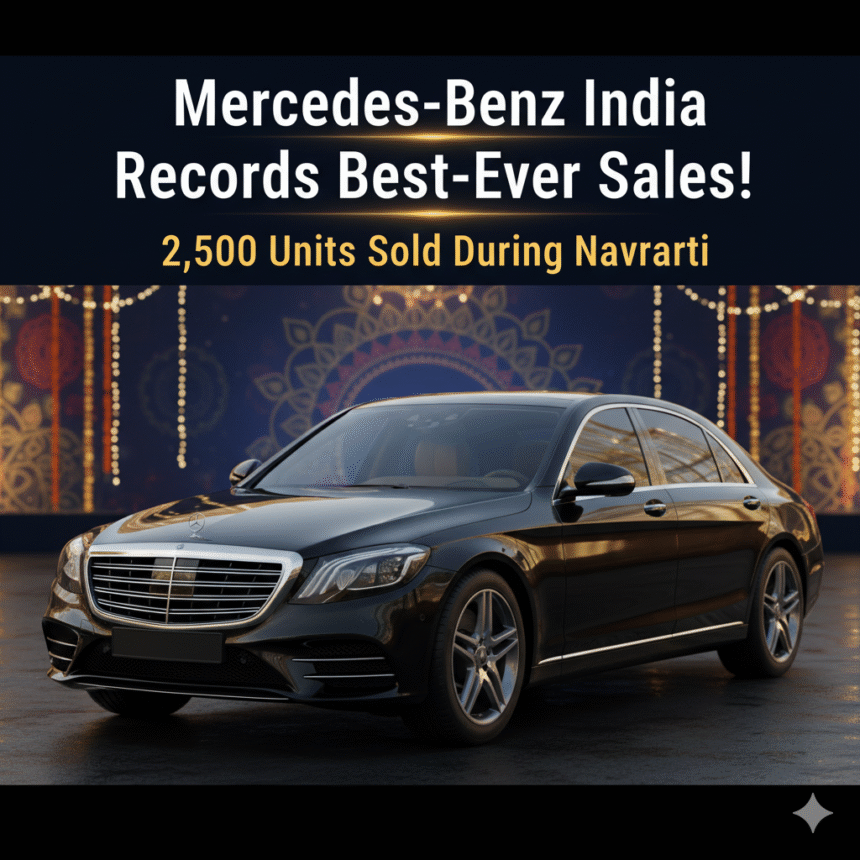
Mercedes-Benz India has set a historic benchmark in the luxury automotive market with its best-ever quarterly performance in Q2 FY2026. In a quarter that ended on September 30, 2025, the iconic brand sold 5,119 units, marking a remarkable achievement in India. Even more notable, nearly 2,500 units were sold during the 9 days of Navratri, highlighting the brand’s ability to capitalize on peak festive demand periods. This phenomenal growth reflects the combined effects of regulatory reforms, evolving consumer preferences, and the brand’s strategic positioning across all key luxury segments.
The luxury automotive sector in India has witnessed a significant transformation in recent years, driven by economic growth, rising disposable incomes, and increasing aspirational buying behavior among consumers. Mercedes-Benz, with its strong product portfolio spanning Top-End, Core, Entry Luxury, and Battery Electric Vehicles (BEVs), has leveraged these market dynamics to achieve unprecedented growth.
Q2 FY2026 Sales Performance Overview
Mercedes-Benz India’s Q2 FY2026 sales of 5,119 units represent the highest-ever quarterly sales in the country. This achievement is particularly impressive considering macroeconomic challenges such as rising operational costs, fluctuating foreign exchange rates, and inflationary pressures. The surge in sales is attributable to a combination of factors including the Navratri festival, GST reforms, and strong consumer demand across all luxury segments.
| Quarter | Total Units Sold | Highlights | YoY Growth |
|---|---|---|---|
| Q2 FY2026 | 5,119 | 2,500 units sold during Navratri | N/A |
| Q1 FY2026 | 4,238 | Growth driven by premium SUVs | N/A |
| Q2 FY2025 | 4,560 | Steady growth across segments | +12% |
The Navratri period contributed to nearly 48% of total quarterly sales, underscoring the significance of festive seasons in India’s luxury car market. Mercedes-Benz India also recorded 36% month-on-month growth in September 2025, marking the highest monthly sales ever for the brand.
Monthly Sales Performance: September 2025 in Focus
The month of September 2025 emerged as a record-breaking period for Mercedes-Benz India. During the 9-day Navratri festival, the brand retailed approximately 2,500 units, reflecting a strong preference for luxury automobiles during key festive periods. The spike in demand demonstrates the effectiveness of marketing campaigns, product launches, and strategic pricing initiatives.
| Month | Units Sold | Month-on-Month Growth | Notes |
|---|---|---|---|
| July 2025 | 1,320 | – | Pre-festive demand |
| August 2025 | 1,410 | +6.8% | Gradual increase ahead of GST reforms |
| September 2025 | 2,500 | +36% | Peak Navratri sales, record monthly figure |
The surge in sales during this period is also indicative of consumers’ responsiveness to regulatory reforms and the brand’s ability to deliver premium experiences across its portfolio.
Impact of GST 2.0 on Luxury Car Pricing
One of the major drivers of Mercedes-Benz India’s record performance is the implementation of GST 2.0, which revised taxation on luxury cars. Previously, luxury cars were taxed at 28% GST, with an additional cess, bringing the total tax burden to 46-50%. The revised GST 2.0 structure applies a uniform 40% tax on all vehicles with engines larger than 1.5 liters and lengths exceeding 4 meters. This reform effectively reduced the cost of luxury vehicles, making them more accessible to Indian consumers.
| Car Segment | Previous Tax Rate | GST 2.0 Tax Rate | Price Impact |
|---|---|---|---|
| Top-End Luxury (>1.5L, >4m) | 46-50% | 40% | Price reduction |
| Core Luxury | 46-50% | 40% | Moderate reduction |
| Entry Luxury | 46-50% | 40% | Slight reduction |
The removal of the cess and standardization of GST rates have improved customer sentiment, prompting many buyers to finalize purchases during the festival season.
Segment-Wise Performance Analysis
Mercedes-Benz India’s success in Q2 FY2026 stems from strong performance across all key segments, including Top-End Luxury, Core Luxury, Entry Luxury, and BEVs. Each segment contributed uniquely to the overall growth story.
Top-End Luxury Segment
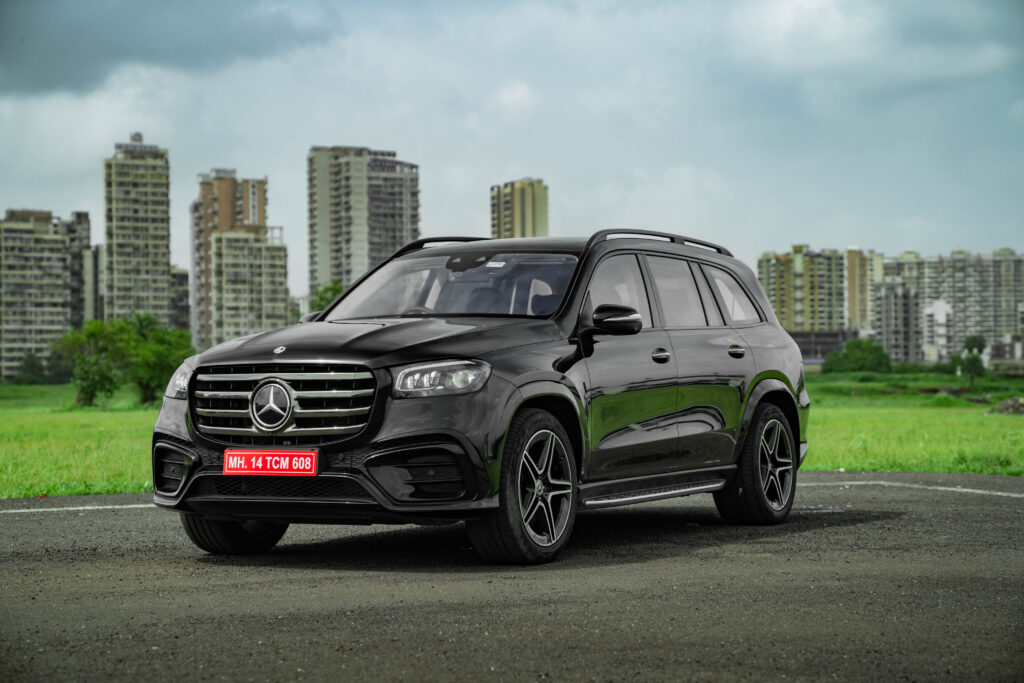
The Top-End Luxury segment, comprising the GLS, S-Class, Maybach, and AMG G63, delivered robust results with 12% year-over-year growth. This segment accounted for 25% of total sales, reflecting the growing appetite for ultra-luxury vehicles in India.
| Model | Q2 FY2026 Units Sold | YoY Growth | Notable Features |
|---|---|---|---|
| GLS | 430 | +10% | Premium SUV with advanced technology |
| S-Class | 320 | +15% | Luxury sedan with unmatched comfort |
| Maybach | 150 | +12% | Ultra-luxury, bespoke options |
| AMG G63 | 75 | Highest-ever monthly sales | Performance SUV, limited availability |
The Bespoke Manufaktur program accounted for 75% of Top-End sales, underscoring the demand for personalized and customizable luxury vehicles. Even models with long waiting periods, such as the AMG G63, achieved record monthly sales.
Core Segment
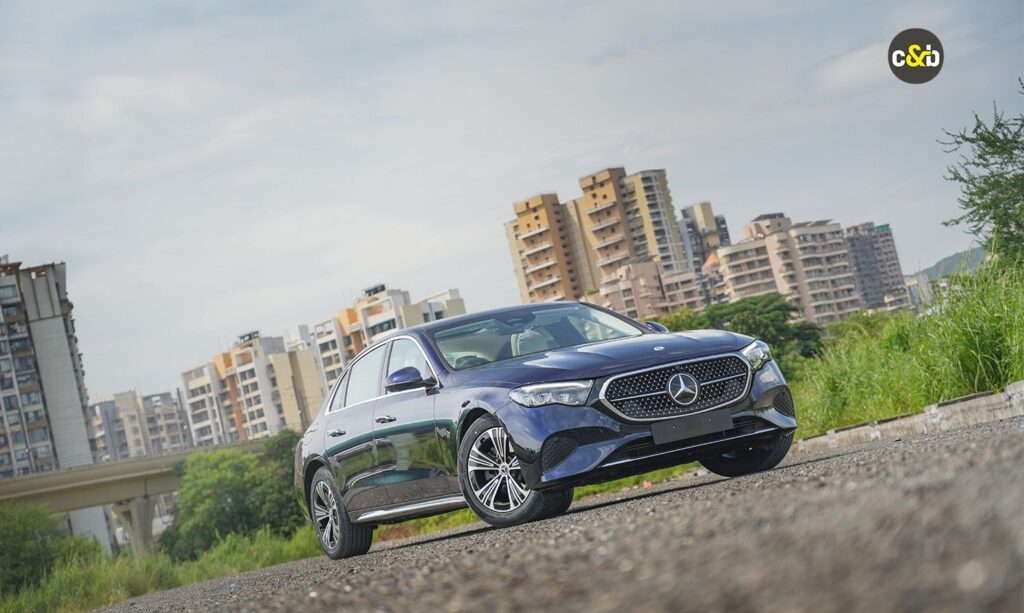
The Core segment, which includes the LWB E-Class, GLC, and GLE SUVs, remained a major contributor to overall growth. The LWB E-Class, in particular, continued to dominate as India’s highest-selling luxury car, posting 47% year-on-year growth.
| Model | Q2 FY2026 Units Sold | YoY Growth | Notes |
|---|---|---|---|
| LWB E-Class | 820 | +47% | Best-selling luxury sedan |
| GLC | 610 | +9% | Popular premium SUV for young buyers |
| GLE | 480 | +12% | Mid-sized luxury SUV with strong demand |
The strong performance of the Core segment reflects the success of Mercedes-Benz’s strategy to offer accessible luxury, especially after the GST 2.0 reforms.
Entry Luxury Segment
Mercedes-Benz’s Entry Luxury segment, including the A-Class sedan and GLA SUV, caters to young, aspirational buyers. Despite increased competition from lower-priced models, the segment maintained strong appeal due to its feature-rich and value-driven approach.
| Model | Q2 FY2026 Units Sold | YoY Growth | Notes |
|---|---|---|---|
| A-Class | 360 | -5% | Slight decline due to aggressive competitor pricing |
| GLA | 280 | -6% | Competition affecting sales but features remain strong |
Although the segment saw minor decline, Mercedes-Benz continues to emphasize technology, quality, and brand prestige, ensuring continued relevance in the market.
Battery Electric Vehicle (BEV) Segment
Mercedes-Benz India’s BEV portfolio is gaining momentum, achieving 8% penetration of total sales with 10% year-on-year growth. The segment’s growth is led by record sales of the EQS SUV, demonstrating the increasing acceptance of electric luxury vehicles among Indian buyers.
| Model | Q2 FY2026 Units Sold | YoY Growth | Notes |
|---|---|---|---|
| EQS SUV | 410 | +10% | Record sales, advanced luxury EV |
| G 580 Edition 1 | Sold out for 2025 | N/A | Limited edition with bookings open for 2026 |
The BEV portfolio reflects Mercedes-Benz’s strategic focus on sustainable luxury mobility and positions the brand as a leader in the emerging EV market.
Pricing and Taxation Details
| Model | Engine | Price (INR) | GST Impact | Notes |
|---|---|---|---|---|
| GLS | 3.0L | ₹1.75 Cr | Reduced from 46-50% to 40% | Top-end SUV |
| S-Class | 3.5L | ₹1.60 Cr | Reduced | Luxury sedan |
| Maybach | 4.0L | ₹2.50 Cr | Reduced | Ultra-luxury sedan |
| AMG G63 | 4.0L | ₹2.30 Cr | Reduced | Performance SUV |
| LWB E-Class | 2.0L | ₹1.10 Cr | Reduced | Core luxury sedan |
| GLC | 2.0L | ₹85 Lakh | Reduced | Premium SUV |
| GLE | 3.0L | ₹1.05 Cr | Reduced | Mid-sized SUV |
| A-Class | 2.0L | ₹50 Lakh | Reduced | Entry-level luxury sedan |
| GLA | 2.0L | ₹60 Lakh | Reduced | Entry-level SUV |
| EQS SUV | Electric | ₹1.25 Cr | N/A | Top-end BEV luxury SUV |
The combination of competitive pricing, GST reduction, and festival offers played a crucial role in stimulating consumer demand.
Consumer Trends Driving Sales
Several key trends are influencing Mercedes-Benz India’s performance:
- Festive Season Demand: Festivals such as Navratri and Diwali remain critical periods for luxury purchases.
- Rising Affluent Buyers: Increasing disposable income and aspirational purchasing behavior among younger buyers.
- Customization and Bespoke Options: High demand for personalized luxury vehicles through the Manufaktur program.
- Growing Acceptance of BEVs: Eco-conscious consumers are increasingly investing in luxury electric vehicles.
- Price Sensitivity Post-GST 2.0: Consumers are responding positively to reduced taxation and cost optimization.
These trends indicate a dynamic and evolving luxury automotive market in India, with opportunities for sustained growth.
Strategic Insights and Future Outlook
Mercedes-Benz India has successfully navigated macroeconomic challenges through a combination of strategic product launches, marketing initiatives, and effective pricing strategies. The brand’s focus on all key segments, from Top-End to Entry Luxury, along with its expanding BEV portfolio, positions it well for continued growth.
Key strategies include:
- Expanding the BEV portfolio to capitalize on the growing electric vehicle market.
- Increasing bespoke and personalized offerings to enhance consumer engagement.
- Maintaining competitive pricing to counter emerging market competitors.
- Strengthening after-sales service to improve customer satisfaction and loyalty.
Competition from BMW, Audi, Jaguar-Land Rover, and new EV entrants remains strong. However, Mercedes-Benz’s established brand equity, robust sales network, and innovative product portfolio provide a competitive edge in the evolving luxury car market.
Conclusion
Mercedes-Benz India’s Q2 FY2026 performance underscores the brand’s ability to adapt to regulatory reforms, leverage festive demand, and meet evolving consumer preferences. With nearly 2,500 units sold in just 9 days of Navratri and record monthly sales in September 2025, the company has reinforced its leadership in India’s luxury automotive market.
The GST 2.0 reforms, combined with Mercedes-Benz’s strategic marketing, premium product offerings, and innovative BEV portfolio, have created an environment conducive to sustained growth. As India’s luxury car market matures, Mercedes-Benz India is poised to continue setting benchmarks for performance, innovation, and customer satisfaction in the years to come.