


By Anushka Verma | Date: 13 October 2025
Introduction
The automotive industry is undergoing a transformative shift as global manufacturers accelerate their transition to electric vehicles (EVs). Among the frontrunners of this revolution is Audi, the premium German automaker, which is strategically expanding its electric car production across the globe. Known for its innovative engineering and luxury design, Audi is positioning itself to compete in the rapidly growing EV market, while addressing both environmental concerns and evolving consumer expectations.
In this detailed report, we analyze Audi’s global electric car strategy, production allocation, labor dynamics, technological advancements, market pricing insights, and the challenges faced during this transformative journey. With a focus on quality, global presence, and zero-emission innovation, Audi aims to deliver more than 20 electrified vehicles by 2025, including a dozen fully battery-electric models.
Global Production Strategy
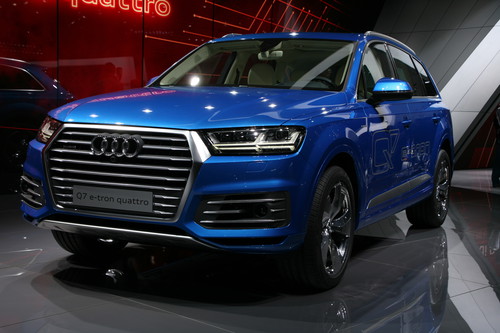
Audi’s electric vehicle production is no longer confined to its home base in Germany. Following the launch of its first mass-produced electric sport-utility vehicle (SUV) in Brussels, Belgium, Audi has committed to expanding production across multiple international sites, including Mexico and Hungary.
Table 1: Audi Electric Vehicle Production Plants
| Country | Plant Location | Vehicle Focus | Current Status | Employee Strength | Notes |
|---|---|---|---|---|---|
| Germany | Ingolstadt | EV & Hybrid Models | Operational | ~58,000 | HQ, R&D center, main EV development hub |
| Germany | Neckarsulm | EV & Hybrid Models | Operational | ~30,000 | Focus on premium EV production |
| Belgium | Brussels | e-tron SUV | Operational since last year | ~4,000 | First mass-produced EV SUV |
| Mexico | San José Chiapa | EV & Plug-in Hybrids | Planned/Upcoming | ~1,000 | Expansion to meet North American demand |
| Hungary | Győr | EV & Plug-in Hybrids | Planned/Upcoming | ~1,500 | Strategically positioned for European supply |
Analysis: This global production strategy allows Audi to diversify risk, meet regional demand efficiently, and leverage skilled labor forces across Europe and the Americas. However, this also introduces complexities in labor management and logistics.
Labor Dynamics and German Workforce Concerns
While Audi’s global expansion is strategically sound, it has created friction with labor unions in Germany. The home market workforce, concentrated in Ingolstadt and Neckarsulm, comprises about two-thirds of Audi’s 88,000 employees, making the allocation of EV projects a highly sensitive issue.
Labor leader Peter Mosch has publicly urged Audi’s management to prioritize electric vehicle production within Germany. Employees fear that outsourcing EV projects to Belgium, Mexico, and Hungary could reduce local employment opportunities and limit Germany’s role in the company’s zero-emission strategy.
“The workforce here wants to see results no later than by the end of this year,” Mosch said at a recent gathering in Ingolstadt.
This tension reflects a broader challenge faced by global automakers: balancing cost-effective production with political and social expectations in their domestic markets.
Audi’s Electric Vehicle Portfolio and Future Plans
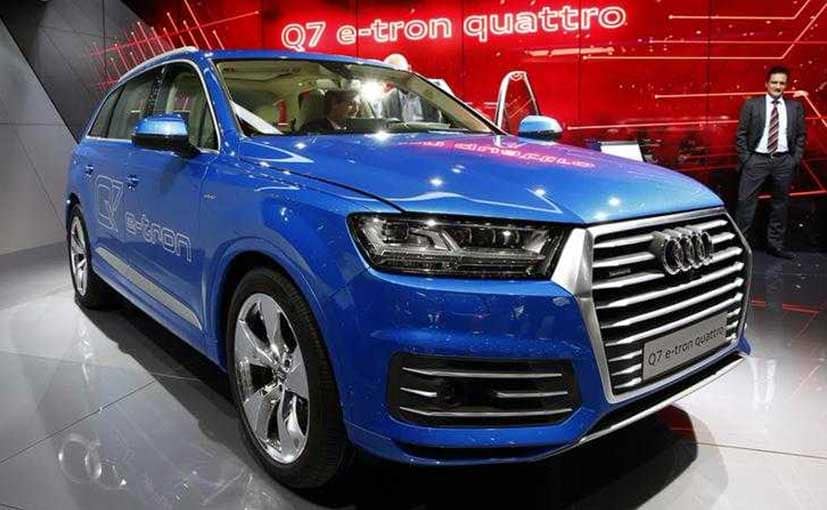
Audi is committed to delivering more than 20 electrified models by 2025, with approximately twelve of these being fully battery-electric. This aligns with parent company Volkswagen’s zero-emissions push and global regulatory trends toward electrification.
Table 2: Planned Audi Electric Models (2023–2025)
| Model Name | Type | Launch Year | Key Features | Estimated Price (USD) |
|---|---|---|---|---|
| Audi e-tron SUV | Battery Electric | 2024 | 95 kWh battery, AWD, 402 hp | $75,000 |
| Audi Q4 e-tron | Battery Electric | 2024 | Compact SUV, 77 kWh, 302 hp | $55,000 |
| Audi e-tron GT | Battery Electric | 2024 | Luxury sedan, 93 kWh, 637 hp | $99,000 |
| Audi Q5 e-tron | Hybrid | 2025 | Plug-in hybrid, 50 km EV range | $60,000 |
| Audi A6 e-tron | Battery Electric | 2025 | Sedan, 100 kWh, fast charging | $80,000 |
| Audi Q8 e-tron | Battery Electric | 2025 | Luxury SUV, 95 kWh, AWD, advanced driver assist | $85,000 |
Insight: Audi’s lineup targets diverse segments from compact SUVs to luxury sedans, emphasizing both performance and sustainability. Pricing reflects the premium positioning of the brand while remaining competitive in the global EV market.
Technological Advancements and Sustainability Goals
Audi is not just expanding production; it is innovating across multiple technological fronts to strengthen its EV portfolio:
- Battery Technology: Audi is investing in high-density lithium-ion batteries with fast-charging capabilities. Future models aim for ranges exceeding 500 km per charge.
- Software Integration: Advanced infotainment and driver-assist systems are being integrated with over-the-air (OTA) updates to enhance the ownership experience.
- Sustainable Materials: Audi is increasingly using recycled and bio-based materials in vehicle interiors and exteriors to minimize environmental impact.
- Digital Manufacturing: Smart factory initiatives are being implemented across international plants to streamline production and reduce carbon footprint.
These innovations are vital to compete against Tesla, BMW, Mercedes-Benz, and emerging EV brands in both Europe and the Americas.
Market Analysis and Price Strategy
As Audi expands its EV portfolio, pricing and market positioning are key to its competitive strategy. Based on current industry trends:
- Premium EV Segment: $75,000–$100,000, targeting affluent consumers who value luxury and technology.
- Compact EV Segment: $50,000–$60,000, aimed at urban professionals and early EV adopters.
- Hybrid Models: $55,000–$65,000, designed for markets transitioning to full EV adoption.
Audi’s pricing strategy also accounts for regional factors, such as import tariffs, local incentives for electric vehicles, and production costs across different countries.
Challenges and Strategic Considerations
While Audi’s global EV expansion is promising, several challenges remain:
- Labor Union Pressure: As previously highlighted, labor disputes in Germany could delay production assignments or lead to political scrutiny.
- Global Supply Chain Constraints: Battery production and semiconductor availability remain critical bottlenecks.
- Competitive Pressure: Tesla, BMW, and Mercedes are aggressively expanding EV offerings, requiring Audi to continuously innovate.
- Diesel Scandal Aftereffects: Ongoing fallout from the Volkswagen diesel emissions scandal still affects brand perception and employee morale.
Conclusion
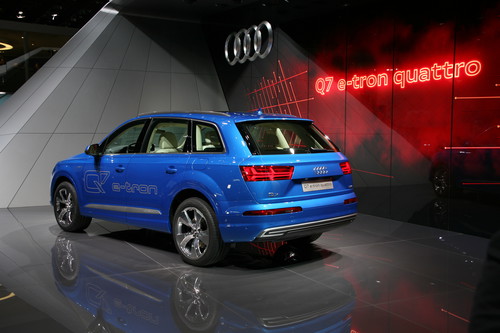
Audi’s ambitious global strategy to produce electric vehicles across multiple countries demonstrates its commitment to sustainability, innovation, and market leadership. By balancing production across Germany, Belgium, Mexico, and Hungary, the automaker seeks to meet rising global demand while addressing labor and political challenges at home.
With over 20 electrified models expected by 2025, including a dozen fully battery-electric vehicles, Audi is positioning itself as a major player in the zero-emissions automotive revolution. While challenges remain, particularly in labor relations and supply chain management, the company’s forward-looking approach combines technological innovation, sustainability, and global scale.