


By Anushka Verma | October 24, 2025
Introduction
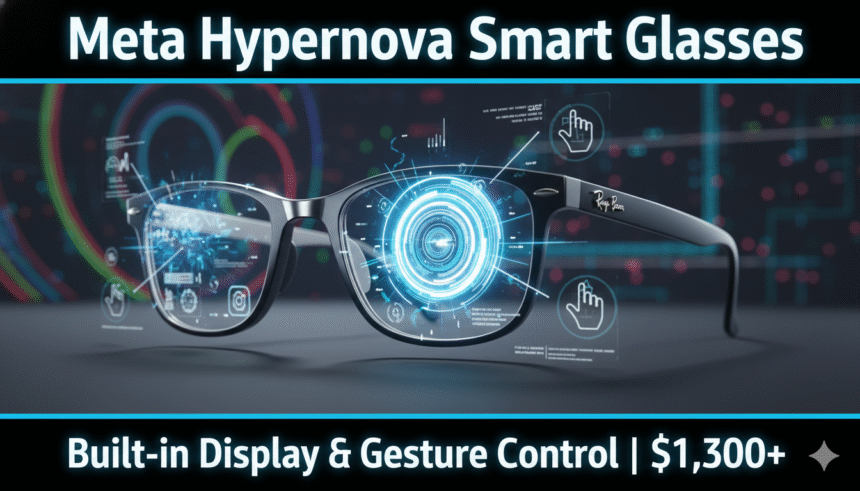
Meta (formerly Facebook) is poised to redefine wearable technology with the launch of its next-generation smart glasses, codenamed Hypernova, expected by the end of 2025. Building upon the success of Ray-Ban smart glasses, which sold over two million units globally, Hypernova promises a premium experience with advanced hardware, a built-in display, and gesture-based control through a neural wristband named Ceres.
With an anticipated price range of $1,300–$1,400, Hypernova marks Meta’s significant entry into the high-end AR wearable segment. Unlike the earlier Ray-Ban Stories, Hypernova is designed not only as a fashion accessory but also as a fully integrated augmented reality device capable of running applications, displaying notifications, and offering real-time translation—all through an elegant, hands-free interface.
Background: Meta’s Wearable Journey
Meta’s foray into wearables began with Ray-Ban Stories, which focused on social sharing and basic photography. These glasses allowed users to capture photos and videos, and share them via Meta’s apps, representing an incremental step into the wearable market. Following this success, Meta expanded its AR/VR ecosystem through Meta Quest devices, paving the way for a more immersive AR experience.
Hypernova represents the next stage in this evolution: a combination of advanced AR, gesture control, and a micro-display integrated into a stylish frame. With premium materials, sophisticated hardware, and a focus on usability, Hypernova aims to appeal to both tech enthusiasts and fashion-conscious consumers.
Design & Build Quality
Hypernova’s design philosophy focuses on style, comfort, and functionality. Industry sources suggest:
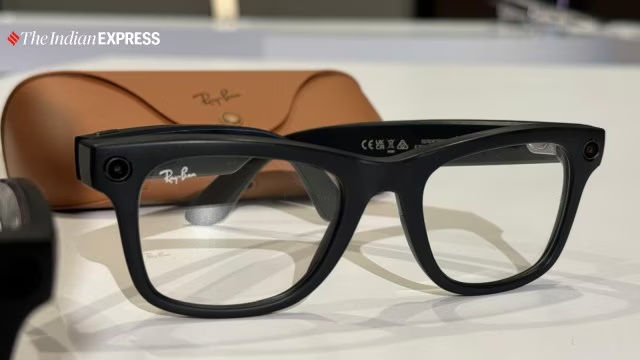
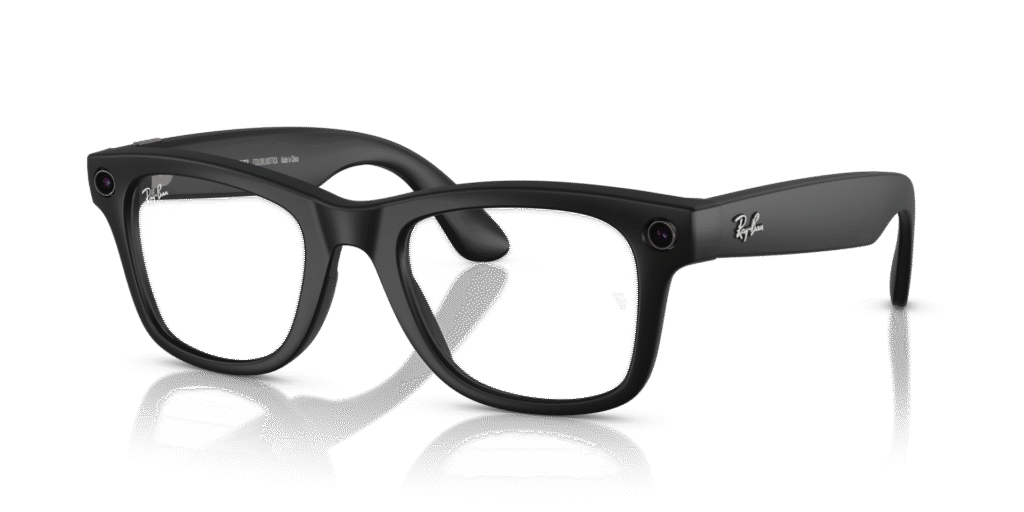
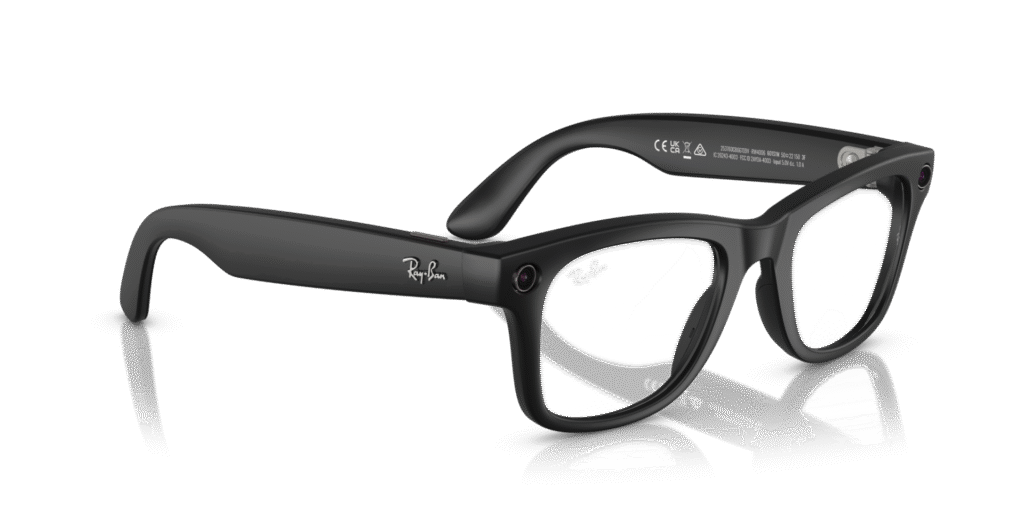
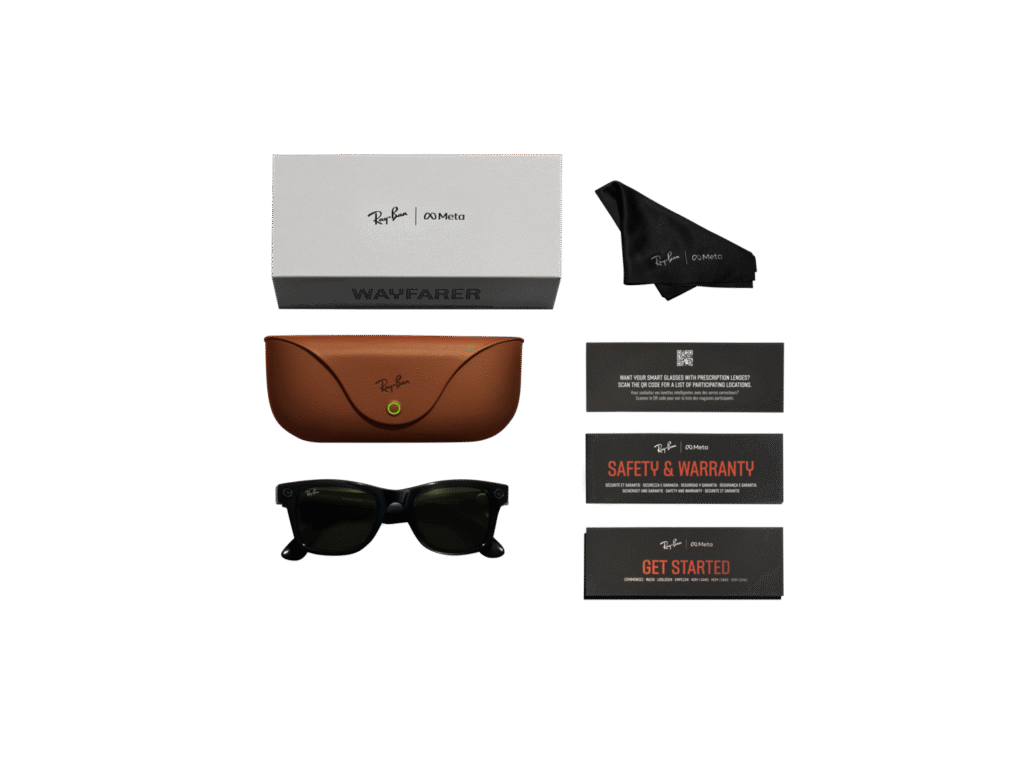
- Frame: Ray-Ban Wayfarer style, maintaining aesthetic familiarity.
- Materials: Lightweight titanium alloy and high-quality acetate for durability.
- Display: Discreet micro-display on the bottom of the right lens.
- Ergonomics: Optimized weight distribution for long-duration comfort.
The glasses aim to integrate seamlessly into daily life while accommodating cutting-edge technology, reflecting Meta’s strategy to combine fashion and AR functionality.
Hardware Specifications
Hypernova’s hardware is designed for high-performance AR applications. While exact specifications are unconfirmed, the following table provides expected details:
| Component | Expected Specification |
|---|---|
| Display | Micro-LED/OLED, bottom-right lens, ~400×200 pixels |
| Processor | Custom Snapdragon AR chipset |
| RAM | 8 GB |
| Storage | 128 GB |
| Camera | Dual 12 MP lenses with AR capabilities |
| Battery | 2–3 hours continuous AR use, 12 hours standby |
| Connectivity | Bluetooth 5.3, Wi-Fi 6E, NFC |
| Sensors | Accelerometer, gyroscope, ambient light, gesture recognition |
| Audio | Directional speakers embedded in frame |
| Operating System | Customized Android for AR |
This configuration is intended to support real-time AR overlays, gesture control, and glanceable notifications while maintaining a sleek form factor.
Software & User Interface
Hypernova will run a customized Android-based OS, optimized for AR interactions:
- Home Screen: Horizontal icons similar to Meta Quest.
- Notifications: Glanceable alerts for messages, calls, and app updates.
- Apps: Native apps for messaging, navigation, and AR translation.
- Integration: Closely tied with the Meta View app for extended functionality.
The software is designed for intuitive and efficient interactions, minimizing the need for smartphones while enabling quick access to information.
Gesture Control with Neural Wristband “Ceres”
A standout feature of Hypernova is gesture control using the Ceres wristband:
- Scrolling: Rotate hand clockwise/counterclockwise.
- Selection: Pinch thumb and index finger.
- Navigation: Swipe gestures for back, forward, and switching apps.
- Neural Feedback: Potential for enhanced sensitivity using minimal neural input.
This innovation allows hands-free interaction, elevating the AR experience beyond conventional touch controls.
Camera & Imaging Capabilities
The dual 12 MP camera system supports:
- Photography & Video Recording: High-quality captures integrated with AR overlays.
- Real-Time Translation: Text translations displayed directly on the micro-display.
- AR Filters: Enhancing social media sharing and productivity applications.
- Privacy Features: Visual indicators for camera usage to address public concerns.
Hypernova’s camera system is designed for both practical applications and creative expression, making it versatile for personal and professional use.
Connectivity & App Integration
Hypernova’s connectivity is expected to be robust:
- Bluetooth 5.3: Low-latency connections with smartphones and wristbands.
- Wi-Fi 6E: Faster data transfer for cloud-based AR features.
- Meta Ecosystem Integration: Seamless connection with Meta apps like Messenger, WhatsApp, and Instagram.
- Cross-Platform Use: Possible compatibility with PCs and Meta Quest AR apps.
This ensures Hypernova is not just a standalone device but a central hub within Meta’s AR ecosystem.
Pricing Strategy & Market Position
Hypernova’s anticipated $1,300–$1,400 price point positions it as a premium AR wearable targeting early adopters, tech enthusiasts, and professionals. By emphasizing design, advanced hardware, and gesture control, Meta aims to justify this price point while differentiating Hypernova from other AR products in the market.
| Feature | Competitor Comparison |
|---|---|
| Price | Hypernova: $1,300–$1,400 |
| Apple Vision Pro | $3,499, full AR headset |
| Google Glass Enterprise 2 | $1,200, enterprise-focused |
| Nreal Air | $600, lightweight AR glasses |
| Snap Spectacles 3 | $380, social AR focus |
Meta’s competitive edge lies in its combination of premium design, built-in display, and gesture control, merging style with advanced functionality.
User Experience & Accessibility
User experience is central to Hypernova’s design:
- Intuitive gestures reduce learning curves.
- Micro-display clarity ensures visibility in various lighting conditions.
- Comfortable frame design allows long-duration wear.
- Accessibility options such as AR captions and text-to-speech could expand usability.
Meta’s focus on user-centered design ensures the glasses are both functional and socially acceptable.
Potential Challenges
Despite its promise, Hypernova faces several challenges:
- High Price Barrier: May limit mass adoption.
- Battery Life: Intensive AR applications can quickly drain the battery.
- Social Acceptance: Camera-equipped glasses may raise privacy concerns.
- App Ecosystem Dependency: Reliance on Meta View app could restrict versatility.
Addressing these challenges will be crucial for Hypernova’s market success.
Future Outlook
Hypernova has the potential to reshape the AR wearable market:
- Set new standards for premium smart glasses.
- Expand Meta’s ecosystem and promote AR-first applications.
- Encourage industry innovation, driving competitors to adopt gesture-based and display-integrated wearables.
Meta may also explore additional Hypernova variants targeting different user segments and price points, broadening its appeal over time.
Conclusion
Hypernova represents a significant leap in Meta’s wearable technology strategy, combining fashion, advanced hardware, and intuitive AR functionality. With its built-in display, gesture control, and high-quality camera system, the device is designed to provide a hands-free, immersive experience that seamlessly integrates with daily life. While challenges remain, particularly in pricing and battery life, Hypernova could set a new benchmark in the premium smart glasses market.
Meta’s ambitious plan underscores its commitment to pioneering AR technology while appealing to both tech-savvy consumers and style-conscious users. As the launch date approaches, Hypernova is poised to become a defining product in the intersection of fashion, technology, and augmented reality.