


By Anushka Verma | Updated : 15, November 2025
In a strategic move to capture the burgeoning premium smartphone segment in India, homegrown handset maker Lava Mobiles has officially teased the launch of its new flagship series, the Iris Pro. The announcement, coming hot on the heels of its premium sub-brand Xolo, signals a determined push by Indian manufacturers to shed their mass-market-only image and compete directly with global giants on the grounds of design, quality, and performance.
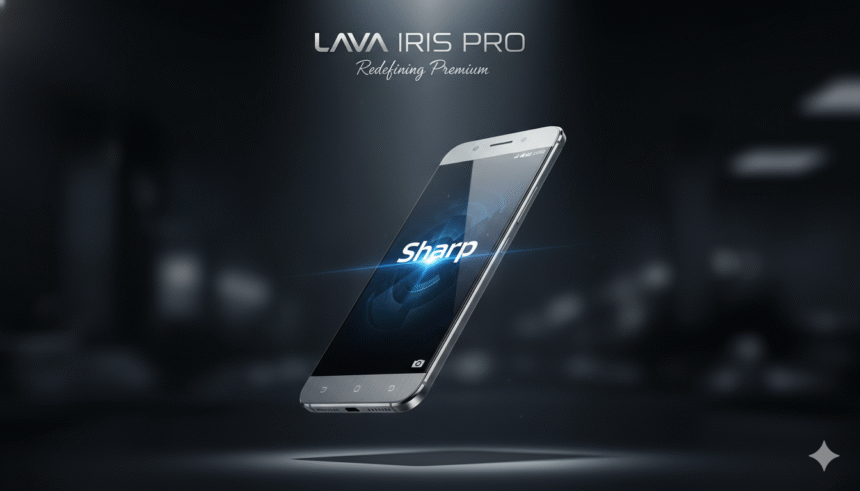
The company released a teaser image that offers a first glimpse into what it promises will be a device focused heavily on aesthetics and premium componentry. Lava claims the Iris Pro series will be a testament to its evolving design philosophy, marrying elegant form factors with high-end hardware.
A Shift in Strategy: The Indian Aspiration for Premium
For years, the Indian smartphone market was perceived as a value-driven, volume-based game. Brands competed fiercely on price, often compromising on materials, display quality, and overall design to hit aggressive sub-₹10,000 price points. However, as the market matures and consumers become more discerning, a significant segment is emerging that is willing to pay a premium for a superior experience.
Lava Mobiles, with its established presence in the mass market, is strategically positioning itself to cater to this upwardly mobile consumer. The creation of Xolo was the first step, and now, the Iris Pro series under the core Lava brand represents a direct infusion of premium DNA into its primary product portfolio. This dual-brand strategy allows Lava to protect its volume-driven business while simultaneously building a reputation for quality and innovation.
An industry analyst, commenting on the trend, stated, “The Indian consumer is no longer satisfied with just a list of specifications. There is a growing appetite for devices that feel premium in the hand, offer a seamless user experience, and carry a certain aesthetic appeal. Lava’s Iris Pro is a direct response to this market evolution. It’s about building desi brands that can command respect and desire, not just sales numbers.”
Deconstructing the Teaser: A Promise of Premium Craftsmanship
While the full specifications of the first Iris Pro model are still under wraps, Lava has revealed several key details that underscore its premium ambitions.
1. The Pursuit of Feather-Light Design:
In an era where smartphones were often criticized for being bulky and heavy, Lava is making a bold statement with the weight of its upcoming device. The company has announced that the first smartphone in the Iris Pro series will weigh a mere 114 grams. To put this into perspective, this is significantly lighter than many of its contemporaries, promising a device that feels almost imperceptible in a pocket and comfortable during prolonged use. This focus on ergonomics is a hallmark of premium design, prioritizing user comfort over mere heft.
2. A Display Partnership with Sharp:
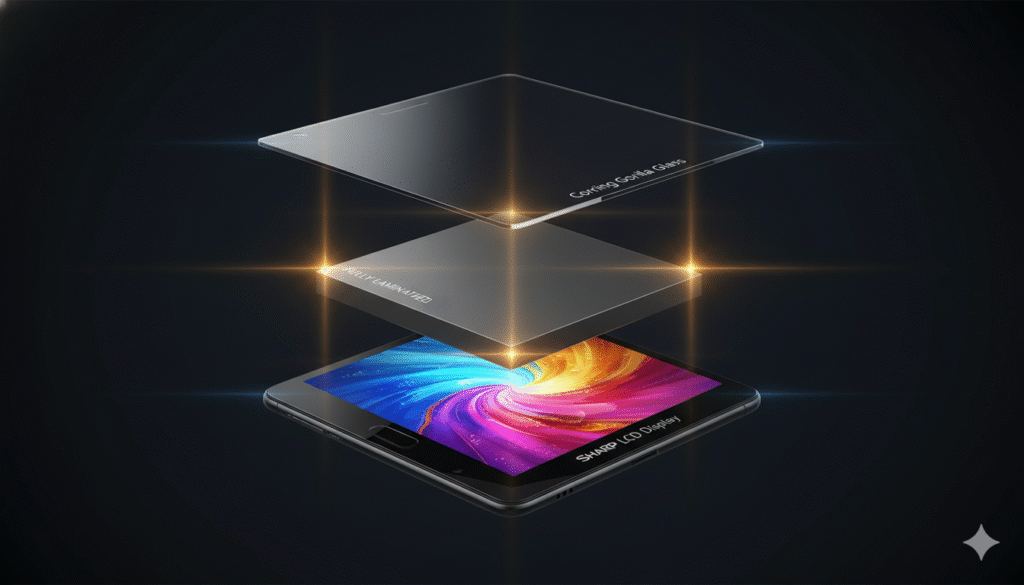
Perhaps the most significant revelation is the partnership with Sharp, the renowned Japanese electronics manufacturer. Lava has confirmed that the Iris Pro will sport a display sourced from Sharp’s acclaimed LCD portfolio. This move is crucial for several reasons:
- Quality Assurance: Sharp is a leader in display technology, known for its high-quality panels with accurate colour reproduction, excellent brightness, and wide viewing angles.
- Perceived Value: Associating with a globally respected component maker like Sharp immediately elevates the perceived value and quality of the device, assuring consumers of its premium credentials.
- Competitive Edge: By opting for a Sharp display instead of a generic panel, Lava aims to differentiate the Iris Pro from the multitude of phones using similar, lower-cost components.
3. Enhanced Durability and Clarity with Corning Gorilla Glass:
Protecting this premium Sharp display will be a sheet of Corning Gorilla Glass. This industry-standard for screen toughness provides resilience against everyday scratches and minor drops, ensuring the device retains its pristine look over time. This is a non-negotiable feature for any phone aspiring to a premium tag.
4. The Fully Laminated Touch Panel:
Lava specifically mentions a “fully laminated” touch panel. This technical detail has a tangible impact on the user experience. In non-laminated displays, there is a small air gap between the touch sensor and the actual LCD. This gap can cause reflections, make the screen appear less vibrant, and sometimes lead to a “sunken” effect when interacting with the display. Full lamination eliminates this air gap, resulting in:
- Reduced Reflections: Better outdoor visibility.
- Enhanced Contrast and Colour: The image appears sharper and more directly behind the glass.
- Improved Touch Responsiveness: The interaction feels more direct and immediate.
The Competitive Landscape: Where Does the Iris Pro Fit?
Upon its launch, the Lava Iris Pro will enter a fiercely competitive segment. It will likely compete with the likes of the Motorola Moto G, which had set a new benchmark for quality in the budget-to-mid-range segment, as well as offerings from Micromax’s Canvas series and other international players. Lava’s strategy appears to be a combination of undercutting on price while over-delivering on specific aspects like design finesse and display quality.
The emphasis on a lightweight body and a high-quality Sharp display could be its unique selling propositions (USPs), allowing it to stand out in a crowded marketplace. Success, however, will not just hinge on the hardware but also on the software experience, camera performance, and overall reliability—areas where Lava will need to prove its mettle.
The Implication for the Indian Consumer and Industry
The teaser of the Lava Iris Pro is more than just the announcement of a new phone; it is a symbol of the evolving aspirations of the Indian mobile industry. It demonstrates that Indian companies are no longer content with being assembly lines for low-cost devices. They are investing in research and development, forging global partnerships, and focusing on design-led innovation.
For the consumer, this intensified competition is a clear win. It means more choices, better quality, and innovative features at increasingly accessible price points. The “premium” experience is slowly but surely being democratized.

Anticipated Specifications and Features (Based on Industry Trends)
While official specifications are awaited, based on the premium positioning and the trends of early 2014, we can anticipate the following potential features for the first Lava Iris Pro smartphone:
| Feature Category | Anticipated Specification (Based on Market Trends) |
|---|---|
| Display | 4.5-inch to 5.0-inch HD (720×1280 pixels) Fully Laminated Sharp IPS LCD with Corning Gorilla Glass |
| Processor | 1.2 GHz Quad-core Chipset (likely from MediaTek or Qualcomm) |
| RAM | 1 GB |
| Internal Storage | 4 GB / 8 GB, expandable via microSD card |
| Primary Camera | 8 MP Autofocus with LED Flash |
| Front Camera | 2 MP for video calls |
| Operating System | Android 4.4 KitKat |
| Connectivity | 3G, Wi-Fi 802.11 b/g/n, Bluetooth 4.0, GPS |
| Battery | 1800 mAh to 2000 mAh Li-Po |
| Design | Sleek, polycarbonate unibody or metallic accents, emphasis on ergonomics |
| Key USP | 114-gram weight, Sharp display, Premium build quality |
Conclusion: A Bold Step Forward
The Lava Iris Pro series represents a critical pivot for the company and a bellwether for the Indian mobile industry. By focusing on aesthetics, forging a partnership with a tier-1 component supplier like Sharp, and emphasizing a user-centric design with its lightweight profile, Lava is making a compelling case for itself in the premium segment. The success of this venture will depend on the final pricing, performance, and marketing, but the intent is clear: Indian brands are ready to play in the big leagues. The teaser has successfully generated curiosity; all eyes are now on the official launch to see if the Iris Pro can truly deliver a premium experience that resonates with the aspirational Indian consumer.