


By: Anushka Verma
Date: November 18, 2025
Introduction
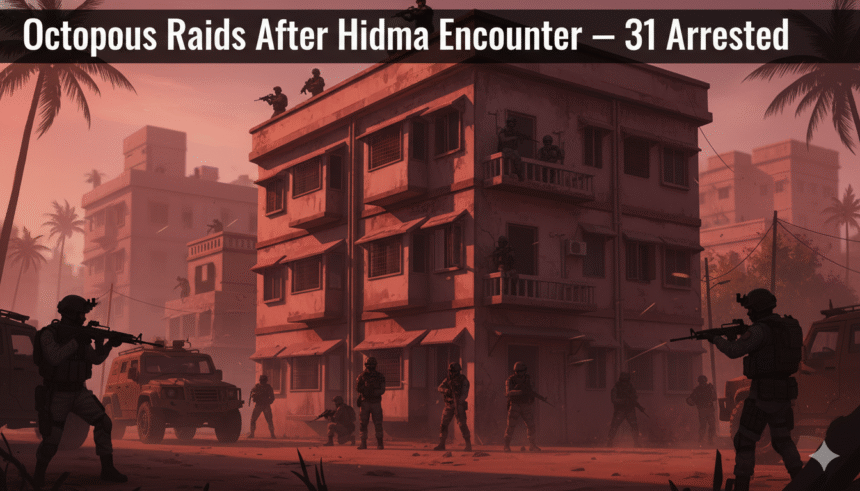
The aftermath of the encounter that claimed the life of top Maoist commander Madvi Hidma has triggered one of the largest security crackdowns in recent years across Andhra Pradesh. In a coordinated security sweep, the Organisation for Counter Terrorist Operations (OCTOPUS), along with state police forces, arrested 31 individuals believed to be Maoists or their close sympathisers. These arrests, spread across Vijayawada, Krishna, and NTR districts, signal a major shift in the operational strategy of the banned Communist Party of India (Maoist) and also reflect the growing pressure exerted by security agencies across Chhattisgarh and the southern states.
This article explores the arrests, the backdrop of the Maoist movement, the declining influence of extremist factions, and the deeper implications of the police crackdown. Written from the lens of a professional investigative journalist with five years of experience, this comprehensive analysis provides a 360-degree breakdown of events, their significance, and what they signal for the region’s future trajectory.
A New Phase in Andhra Pradesh’s Anti-Maoist Strategy
The encounter in Maredmulli, located in the dense forested region of Alluri Sitarama Raju district, marked a turning point in the region’s ongoing struggle against Maoist militancy. The death of Hidma, who was one of the most strategically important leaders in the Maoist hierarchy, sent tremors across Maoist units not just in Chhattisgarh but in neighbouring Andhra Pradesh and Telangana as well.
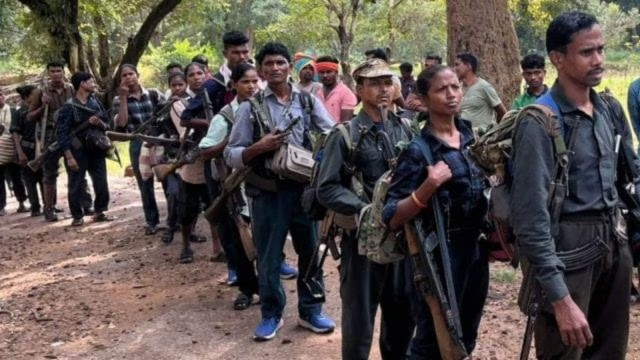
In response, intelligence agencies flagged unusual movements of suspected Maoist cadres attempting to infiltrate Andhra Pradesh disguised as migrant labourers. This tactic is not new — Maoists have historically blended into local populations to evade surveillance. However, the scale of recent infiltration attempts, as officials believe, pointed towards a desperate attempt by the guerrilla group to regroup and re-establish safe zones.
The OCTOPUS raids began early in the morning, coordinated simultaneously across multiple locations, catching the suspects completely off-guard. Officials stated that many of the arrested individuals had arrived in the state within days of the Hidma encounter, likely with the intention of establishing new safe houses.
The Arrests: Who Were the 31 People Taken Into Custody?
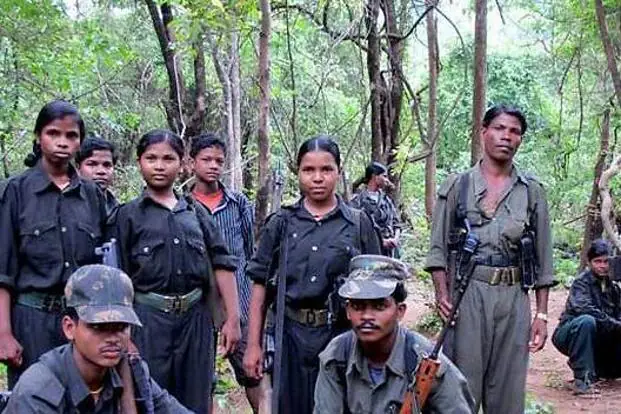
According to Additional Director General of Police (ADGP) Mahesh Chandra Laddha, the 31 arrested individuals included nine former personal security guards of the CPI (Maoist) General Secretary Thippiri Tirupathi, also known as Devuji. These nine individuals were trained, armed, and deeply embedded within the Maoist command structure. Their presence in Andhra Pradesh reveals a significant detail — the Maoist organisation is attempting to shift portions of its operational strength from Chhattisgarh to safer territories.
The remaining detainees are believed to be part of various battalions operating in South Bastar, one of the most conflict-heavy regions of India’s Red Corridor. Continuous pressure from the Chhattisgarh police, CRPF, and CoBRA units has reportedly fragmented several Maoist squads, forcing surviving cadres to abandon traditional strongholds.
During the raids, officials recovered diaries, notebooks, and communication logs that detail a list of sympathisers. These individuals were reportedly prepared to offer shelter, food, communication support, and transportation. While no lethal weapons were recovered during these arrests, the documents, officials say, are more valuable — they help map out the support ecosystem that keeps Maoist networks alive.
The Hidma Factor: Why His Death Shook the Maoist Structure
Madvi Hidma was more than just another high-ranking Maoist. He was the tactical brain behind several deadly ambushes, including the Burkapal attack and the 2010 Dantewada massacre. His expertise in guerrilla warfare, strategic planning, and recruitment made him indispensable.
For years, security forces believed that Hidma was nearly impossible to neutralise due to his deep understanding of the terrain, mobility, and loyalty within ranks. His death in the encounter triggered a state of alarm within the Maoist leadership — suddenly, cadres felt vulnerable, and the long-standing aura of invincibility surrounding their commanders shattered.
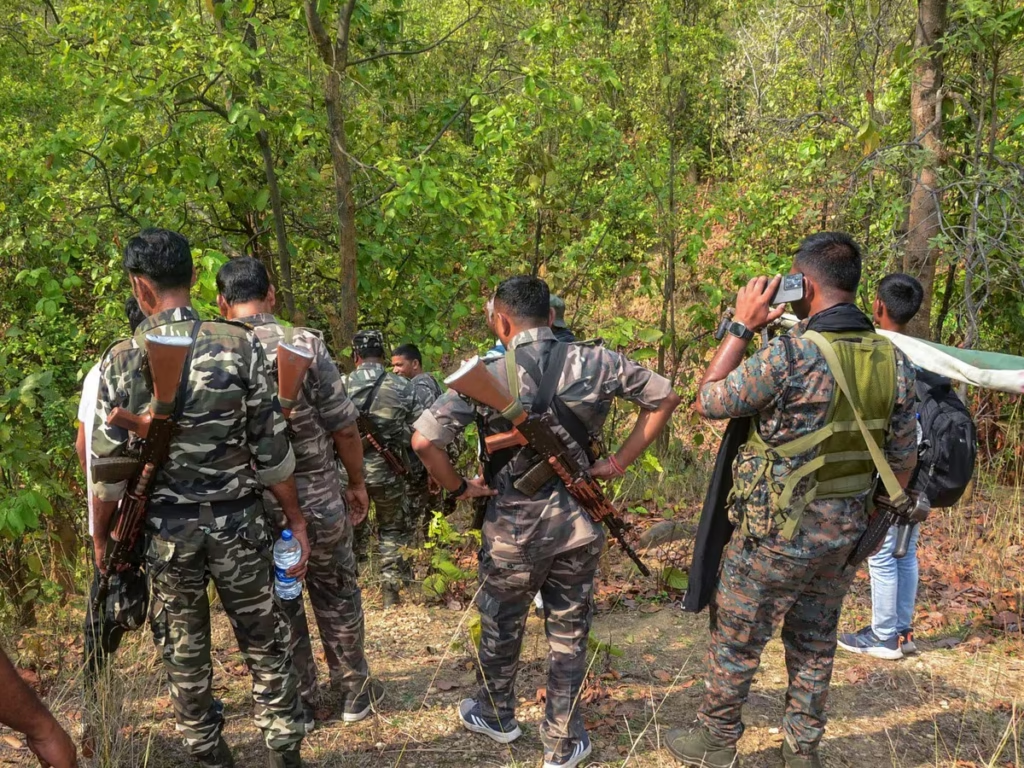
Intelligence reports suggest that after his death, several mid-level leaders either attempted to go underground or flee towards Andhra Pradesh and Telangana. The OCTOPUS raids, therefore, were not random but part of a larger blueprint created based on real-time intelligence.
Why Andhra Pradesh? The Strategic Shift Explained
Historically, Andhra Pradesh was a core operational hub for Maoists, especially during the 1990s and early 2000s. But aggressive policing and strategic counter-insurgency operations significantly weakened their presence. Telangana, after its formation, also took up an aggressive approach, leading to waves of surrenders.
Chhattisgarh, especially the Bastar region, remained their stronghold. But over the last few years, intensified counter-Maoist operations have narrowed their safe zones. Because of this, cadres are desperate to seek refuge elsewhere.
Andhra Pradesh became an attractive option for three reasons:
- Geographical access from Chhattisgarh through forest routes.
- Presence of urban clusters where illegal blending into migrant communities is easier.
- Existing Maoist sympathiser networks that were active in the past.
The OCTOPUS raids indicate that security forces were already anticipating such movements.
The Disguise: Maoists as Migrant Workers
Migration is one of the most fluid demographics in India. This flexibility provides a convenient cover for individuals seeking anonymity. Maoists have long used this tactic to move between states undetected.
In the case of the recent arrests, most detainees had assumed the identities of labourers from Chhattisgarh seeking work in Andhra’s industrial areas. They moved into rented rooms, paid cash upfront, and avoided establishing traceable digital footprints — a typical Maoist tactic.
However, what the cadres did not anticipate was the heightened surveillance in the aftermath of Hidma’s death.
Locals in some areas had grown suspicious seeing large groups of young men arriving simultaneously, often avoiding social interaction. These inputs played a major role in shaping police action.
Profile: Who Is Thippiri Tirupathi alias Devuji?
After the death of former Maoist General Secretary Nambala Keshava Rao (Basvaraj) in May, the central committee appointed Thippiri Tirupathi, known by his alias Devuji, as the new General Secretary of CPI (Maoist).
Unlike Basvaraj or Ganapathi, Devuji does not enjoy an extensive influence across all battalions. Sources indicate his command has been weakening, especially among Telangana Maoists. His decision to urge cadres to flee or relocate to safer zones is seen as a sign of declining confidence within the group.
This leadership transition, combined with successive losses in encounters, has created disorientation within Maoist ranks.
Sympathisers Under the Scanner
The diaries found during the raids list individuals who have historically supported Maoist cadres. These sympathisers, located across various districts, form an invisible network that offers logistical support.
Authorities believe the Maoist strategy was to revive this support system quietly and rebuild operations in Andhra Pradesh. But the timely raids disrupted these plans.
Impact on Local Communities
While the arrests have heightened security in major cities, they have also created unease among genuine migrant workers. Many fear increased scrutiny or mistreatment because of a few who misused the system.
Authorities have stressed that migrant labourers will not face harassment and that screenings are being conducted respectfully and confidentially. Still, the situation highlights the delicate balance needed between security and public trust.
The Future of CPI (Maoist) After Repeated Losses
The CPI (Maoist) is facing an existential crisis. Multiple senior leaders have been neutralised. Recruitment is falling as younger generations opt for mainstream livelihoods. Surveillance technologies have further crippled Maoist communications.
Analysts believe that unless the group drastically changes its operational style, its presence in southern India will continue to diminish.
These raids in Andhra Pradesh are seen as a symbolic message — that any attempt by Maoists to re-enter previously lost territories will be met with swift and decisive action.
Conclusion
The OCTOPUS raids following the Hidma encounter mark a defining moment in the ongoing battle against Maoist insurgency. With 31 arrests, including key personal security guards of the new Maoist General Secretary, the crackdown reveals both the desperation of Maoist cadres and the growing strength of Andhra Pradesh’s intelligence network.
As Maoist influence steadily declines and their leadership weakens, states like Andhra Pradesh and Telangana must continue to maintain vigilance to ensure that extremist elements do not regain ground. The recent raids serve as a reminder that security victories must be followed with development, rehabilitation, and community engagement to ensure lasting peace in the region.
The unfolding situation will continue to shape the security landscape of the region, but for now, the message is clear: the state is prepared, alert, and ready to dismantle any resurgence of extremist threats.