


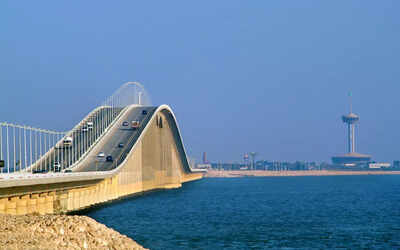
Car toll increased to 35 SAR on King Fahd Causeway as updated pricing goes live / Image: FILE
Travelers crossing the iconic 25-kilometer bridge between Saudi Arabia and Bahrain woke up to a new fee structure this week. For the first time in a decade, the King Fahd Causeway Authority (KFCA) has adjusted its toll rates to help fund ongoing infrastructure upgrades and enhance the digital travel experience.
Whether you’re a weekend tourist or a daily commuter, the price to cross the Arabian Gulf’s busiest artery has officially shifted gears.
King Fahd Causeway toll rates 2026
Here’s the new toll structure for one-way crossings:
- Cars & motorcycles: 35 SAR
- Small buses/minibuses: 55 SAR
- Large buses: 70 SAR
- Trucks: 7 SAR per ton
These updated fees replace the previous rates (which were 25 SAR for small cars after a 2016 increase).Despite these changes, the Authority has maintained its commitment to social support, confirming that students, people with disabilities, and regular daily commuters holding special transit cards are exempt from the hike and will continue to pay the legacy rates.
Discount packages for traveler
To balance the new costs, a series of innovative “Traveler Packages” has launched exclusively through the Jesr (Causeway) app. These packages are a game-changer for those who cross the border often. The Frequent Traveler Package is the star of the show, offering a massive 40% discount for SAR 850, valid for 40 crossings within a month. For those who visit Bahrain less often, the Occasional Traveler option provides a 20% discount at SAR 1,120, valid for a full year.
There is even a Round-Trip deal for SAR 60 that gives weekenders a 15% discount if they return within seven days.
What’s next?
The move toward these new rates is part of a larger push to make the King Fahd Causeway one of the world’s most technologically advanced borders. By encouraging drivers to use the Jesr app, the Authority aims to eliminate traditional toll-booth congestion. Users can now pay their fees, handle vehicle insurance, and even check a live stream of traffic before leaving home. This digital-first approach ensures that while the trip’s cost has evolved, the time spent waiting at the gate is shorter than ever.