


In the wake of a sudden surge in Middle East hostilities involving the United States, Israel and Iran, aviation authorities in the United Arab Emirates have issued urgent advisories for passengers planning to travel through major hubs, especially Zayed International Airport in Abu Dhabi. The warnings highlight possible flight delays, diversions and cancellations as the UAE’s airspace has been temporarily and partially closed as a precautionary safety measure amid the rapidly evolving regional security situation.The General Civil Aviation Authority (GCAA) said the partial closure of UAE airspace follows coordinated strikes by the US and Israel on Iran, prompting heightened risk assessments and precautionary actions to protect civilian flights and aircrews. Authorities are working closely with airlines to manage disruptions and keep passengers informed, stressing that safety remains the highest priority.
What the Abu Dhabi Airports ‘ advisory mean for travellers
Abu Dhabi Airports warned that inbound and outbound flights at Zayed International Airport (AUH) may experience operational changes, including delays, diversions to alternate airports or outright cancellations, until the situation stabilises. Passengers scheduled to fly are urged to check directly with their airlines before heading to the airport and to seek updates from official airport or airline sources rather than relying on unverified reports.
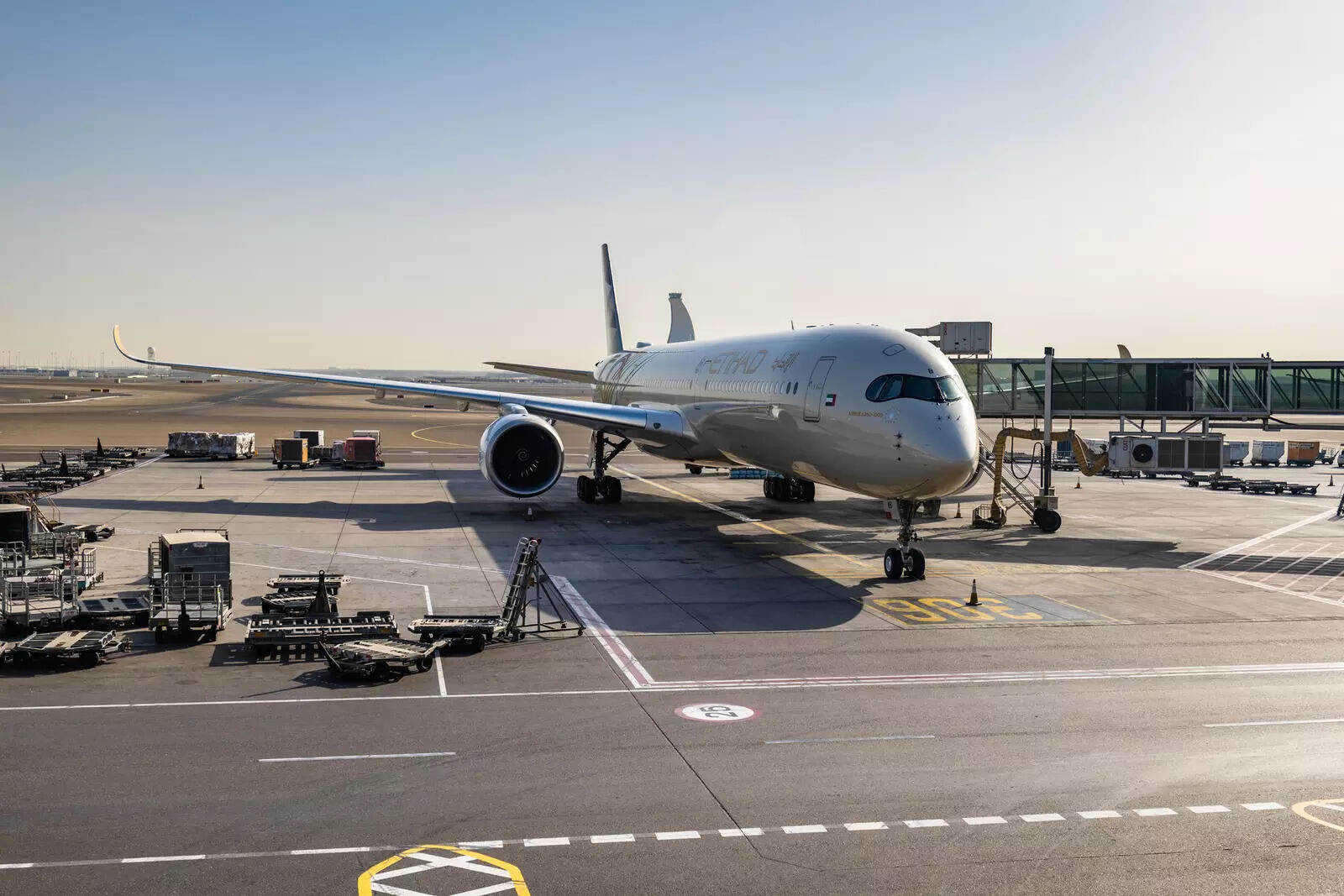
Abu Dhabi Airports Advisory: What Zayed International Airport Passengers Must Know Now
The advisory comes amid similar announcements across the UAE’s aviation network: Sharjah Airport has issued its own guidance urging travellers to stay updated on flight statuses as some services are disrupted due to the temporary airspace closure. Urging the public to obtain information from its official sources, Abu Dhabi Airports said, “The safety of our passengers remains our highest priority. We are working closely with airlines and relevant authorities to manage the situation and minimise disruption where possible. Passengers scheduled to travel today should check directly with their airline before heading to the airport. Further updates will be shared as more information becomes available.”UAE’s airspace restrictions are part of a much larger pattern of flight disruptions across the Middle East, as several nearby countries close or restrict their skies amid the conflict. In response to strikes and missile exchanges involving Iran and allied Western and Israeli forces, airspace over places such as Iraq, Iran and neighbouring GCC states has been affected, leading to widespread cancellations and rerouting by major carriers and civil aviation agencies.This has triggered global travel chaos, with major hubs like Dubai International Airport temporarily suspending operations and airlines such as Emirates, Etihad and others adjusting schedules, in some cases cancelling hundreds of flights, to avoid flying through affected airspace.
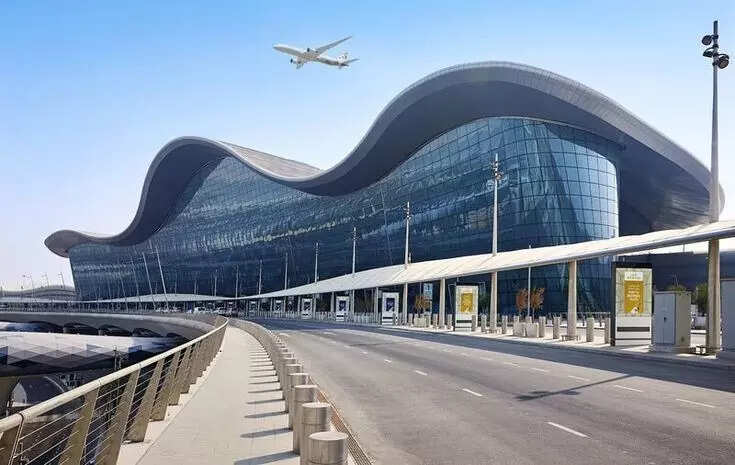
Abu Dhabi Airports Announces Advisory for Zayed International Airport: Check Before You Fly
Civil aviation regulators around the world, including India’s Directorate General of Civil Aviation (DGCA), have issued advisories urging airlines to avoid flying through certain Middle Eastern airspaces due to elevated security risks. These cautionary measures are designed to prevent civilian aircraft from inadvertently entering zones with potential military activity or surface-to-air threats.The UAE authorities’ decision to partially restrict airspace and issue passenger advisories reflects a broader global trend where nations temporarily close flight corridors or impose restrictions when nearby conflicts escalate, prioritising passenger safety and operational risk mitigation.
Tips for UAE travellers amid Iran and US–Israel clashes
If you are planning to fly through AUH or other UAE airports in the coming days:
- Confirm your flight status with the airline before leaving for the airport.
- Expect potential schedule changes, including delays, diversions or cancellations.
- Use official airport and airline communication channels for real-time updates.
- Be prepared for longer wait times and support services on site as airlines work through disruptions.
For passengers already at airports, it is recommended to stay in contact with airline staff and monitor official channels for rebooking, compensation or alternative travel arrangements. The aviation disruptions underscore how regional geopolitical conflicts, even those centred elsewhere, can ripple into civilian travel and logistics networks.The Middle East is home to some of the world’s busiest air corridors connecting Europe, Asia and Africa hence, when hostilities flare, airlines must adapt quickly to ensure safety while minimising inconvenience. As authorities continue to assess and respond to developments, both passengers and airlines are navigating a highly fluid travel environment, with safety considerations at the forefront of operational decisions.