



Written by Anushka Verma
Published: December 29, 2025
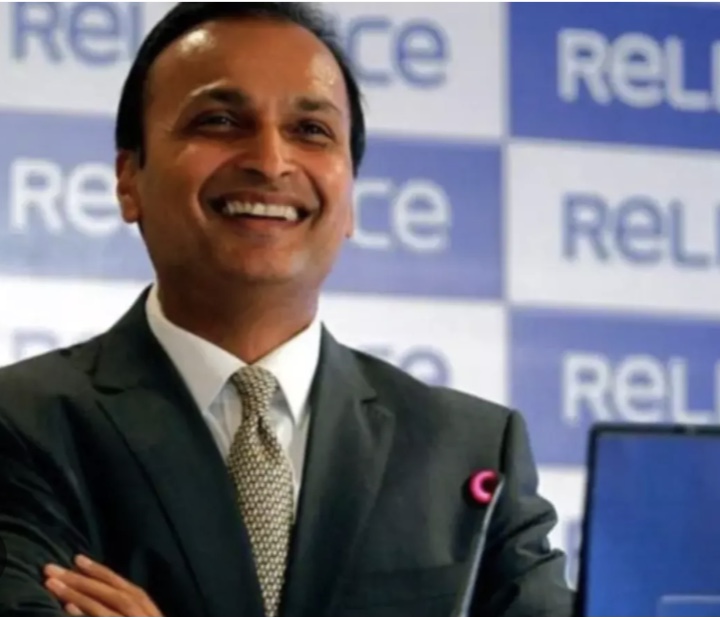
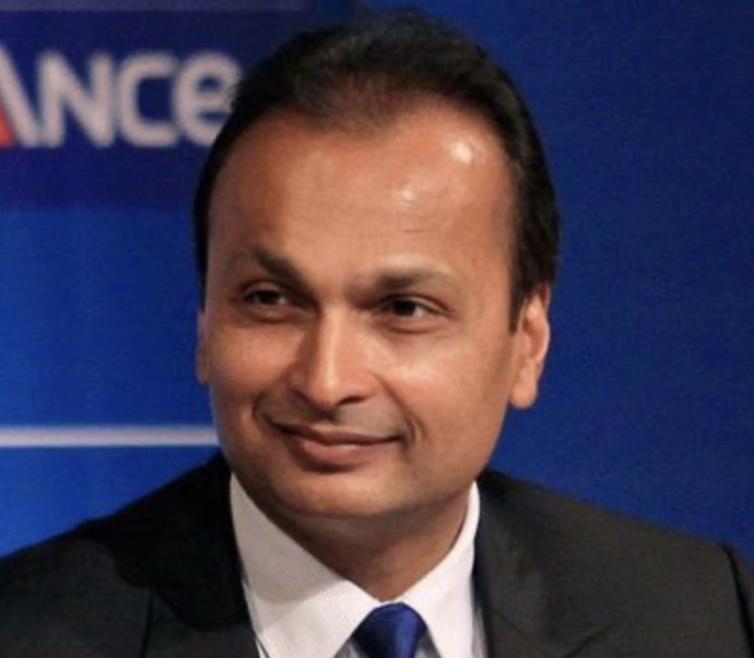
In the dynamic and often unpredictable world of Indian business, few narratives are as compelling as that of Anil Ambani. Once a titan of industry with a net worth soaring among the global elite, his journey through extreme financial volatility has been a subject of intense public and media scrutiny. As of the latest assessments in late 2025, Anil Ambani’s net worth is estimated to be approximately $2.5 billion, marking a significant chapter in his story of resilience and strategic restructuring. This figure, while a fraction of his peak wealth, represents a notable stabilization and potential recovery of his diversified business empire. This article delves deep into the sources of his wealth, the tumultuous journey of his flagship companies, the recent positive developments driving this valuation, and an analysis of what the future may hold for one of India’s most talked-about industrialists.
The Anil Ambani Profile: From Legacy to Leadership
Anil Dhirubhai Ambani was born on June 4, 1959, into India’s most iconic business family. As the younger son of the legendary Dhirubhai Ambani, founder of the Reliance empire, Anil was groomed for business from an early age. He holds a B.Sc. degree from Kishinchand Chellaram College, Mumbai, and an MBA from the prestigious Wharton School of the University of Pennsylvania. Following the death of Dhirubhai Ambani in 2002, the Reliance Group was divided between the two brothers in 2005. Anil Ambani took charge of Reliance Capital (financial services), Reliance Infrastructure (power, EPC, and defense), Reliance Power (energy generation), and Reliance Communications (telecommunications). His ascent was meteoric; by 2008, his net worth was estimated at over $42 billion, making him the world’s sixth-richest person. However, the subsequent decade brought severe challenges, including massive debt, fierce market competition, and legal battles, leading to a dramatic erosion of his wealth.
Deconstructing the $2.5 Billion Net Worth: Sources and Assets
The current estimation of Anil Ambani’s $2.5 billion net worth is derived from his holdings and the market valuation of his group companies. Unlike a liquid cash fortune, this wealth is largely tied to his equity stakes in various listed entities and private assets. The key contributors to this valuation are:
- Reliance Power Ltd.: A cornerstone of his portfolio, this company has been at the forefront of his recent financial turnaround.
- Reliance Infrastructure Ltd.: Involved in projects spanning power, roads, metro rails, and defense.
- Stakes in Other Group Companies: Including residual holdings and private investments.
- Personal Assets: This includes a legendary collection of real estate, such as the iconic “Abode” penthouse in Mumbai, once valued among the world’s most expensive homes, luxury cars, and other personal investments.
A significant recent development that has positively impacted his net worth is the performance and strategic moves within Reliance Power. The company announced it had achieved a “Zero Bank Debt Status,” meaning it has cleared all its outstanding bank balances with both public and private sector banks. This deleveraging has been a monumental step in restoring investor confidence.
The Reliance Group Portfolio: A Detailed Breakdown
| Company / Sector | Key Business Focus | Recent Development (2024-2025) | Impact on Valuation |
|---|---|---|---|
| Reliance Power | Power Generation (Thermal & Renewable) | Achieved zero bank debt; Planning ₹1,525 crore equity raise for renewable energy; Subsidiary Sasan Power repaid $150 million loan. | Positive; Reduced liability and focus on growth sectors boosted share price. |
| Reliance Infrastructure | Infrastructure, EPC, Defense | Reduced consolidated debt by ~87%; Focus on completing key metro and road projects. | Positive; Deleveraging improved balance sheet health. |
| Reliance Capital | Financial Services | Undergoing insolvency resolution process as per NCLT. | Neutral/Negative; Not a current direct contributor to net worth. |
| Reliance Communications | Telecommunications | Resolution process completed; Ambani no longer holds a stake. | Neutral; No longer a part of his asset portfolio. |
| Reliance Defence | Defense Manufacturing | Part of Reliance Infra; Focus on naval shipbuilding and aerospace. | Potential Future Growth; Tied to government contracts and partnerships. |
The Phoenix Narrative: The Road to Debt Reduction and Recovery
The period from 2019 to 2022 was arguably the most challenging for Anil Ambani. With group companies facing a severe liquidity crisis and mounting debts, his personal net worth was reported to have plummeted. However, the narrative began to shift in 2023-2025, driven by a relentless focus on debt reduction and asset monetization.
- Aggressive Debt Resolution: The flagship achievement has been the dramatic debt reduction. Reliance Infrastructure slashed its debt from over ₹25,000 crore to a fraction of that. Reliance Power’s announcement of being “bank debt-free” is a symbolic milestone, signaling a break from the past burdens.
- Strategic Asset Sales: The group divested several non-core assets, including road projects and equity stakes, to generate liquidity and repay lenders.
- Focus on Operational Efficiency: Companies shifted focus from aggressive expansion to stabilizing and efficiently running existing assets, particularly in power generation.
- Market Sentiment and Share Price Rally: News of debt repayment and a cleaner balance sheet led to a renewed interest from investors. For instance, Reliance Power shares witnessed significant rallies, with jumps of over 7% in single sessions following key announcements. This directly boosts the paper value of Ambani’s holdings.
Anil Ambani’s Personal Life and Philanthropy
Beyond the boardroom, Anil Ambani is known for his flamboyant lifestyle, his marriage to former Bollywood actress Tina Munim, and their two sons, Jai Anmol and Jai Anshul. He is also a noted philanthropist. The Reliance Group, under his guidance, has contributed to various social causes through the Reliance Foundation, one of India’s largest private foundations, focusing on rural transformation, education, health, and disaster response. While the foundation is now managed by the Reliance Industries group led by his elder brother Mukesh Ambani, Anil’s own philanthropic initiatives have often centered around education and sports.
Frequently Asked Questions (FAQs)
1. What is Anil Ambani’s exact net worth in Indian rupees as of December 2025?
At an approximate net worth of $2.5 billion and with an exchange rate of roughly ₹83/USD, Anil Ambani’s net worth in Indian Rupees is about ₹20,750 crores.
2. How did Anil Ambani lose his massive wealth?
The decline was due to a combination of factors: high leverage (debt) across group companies for rapid expansion, intense competition in the telecom sector that led to the collapse of RCom, regulatory challenges, economic downturns, and some adverse legal rulings.
3. Is Anil Ambani completely debt-free now?
While his key companies like Reliance Power have become bank debt-free, the group may still have other financial obligations or bonds. However, the massive consolidated debt that plagued the group has been drastically reduced.
4. What is the main source of his income now?
His income primarily flows from dividends (if declared) and the appreciation in value of his stakes in Reliance Power and Reliance Infrastructure. His wealth is closely tied to the market performance of these companies.
5. How does his net worth compare to his brother Mukesh Ambani’s?
The difference remains vast. As of December 2025, Mukesh Ambani, Chairman of Reliance Industries, has a net worth exceeding $100 billion, consistently ranking him among the top 10 richest people in the world.
6. What is the future outlook for Anil Ambani’s business empire?
The outlook appears cautiously optimistic. With cleaner balance sheets, the focus can shift to growth, particularly in renewable energy (Reliance Power) and infrastructure/defense projects (Reliance Infra). The future valuation will depend on execution, profitability, and the ability to capture new opportunities without falling back into a debt trap.
Conclusion
Anil Ambani’s financial journey is a testament to the volatility and resilience inherent in high-stakes capitalism. From the pinnacle of global wealth to a dramatic fall and now a carefully engineered recovery, his story is far from over. The estimated $2.5 billion net worth in December 2025 is not just a number; it represents a stabilized foundation from which a new chapter can be written. It underscores a remarkable corporate turnaround focused on sustainability and prudent finance. While the shadow of past challenges remains, the current trajectory suggests that Anil Ambani and his Reliance Group are steadily rewriting their narrative, aiming for a future built on operational strength and strategic growth rather than leveraged ambition. The markets and observers alike will be watching closely to see if this phoenix can truly rise to new heights.