


By Anushka Verma
Updated : November 16, 2025
Introduction: A Phoenix at the World’s Fair
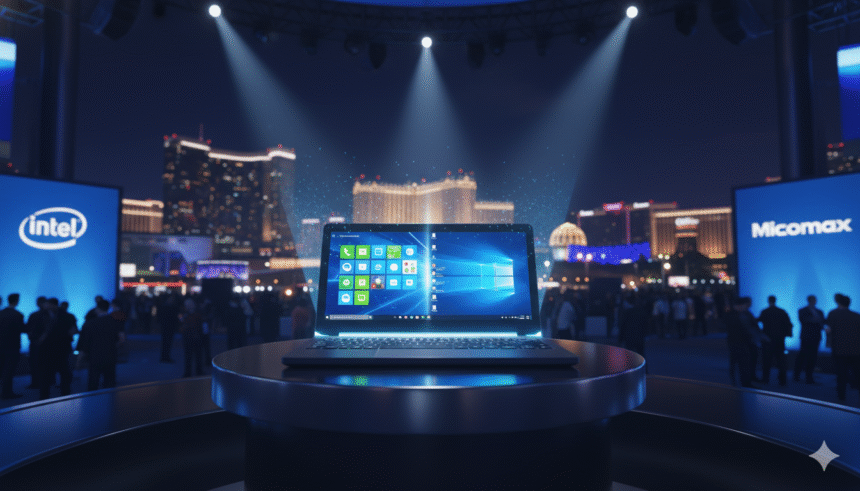
The Consumer Electronics Show in Las Vegas is more than just a trade show; it is a global coliseum where tech giants and ambitious upstarts clash for the world’s attention. Amid the dazzling, multi-million-dollar booths of Samsung, Sony, and LG, a different kind of contender has taken the stage, one that carries the flag of a burgeoning digital India. Micromax Informatics, a name once synonymous with budget-friendly feature phones in its home market, has executed a strategic masterstroke that has sent ripples across the industry. In a landmark announcement, the company unveiled the Micromax LapTab, a groundbreaking device born from a pivotal partnership with Intel.
This isn’t just another tablet. The LapTab is Intel’s first-ever commercially announced dual-boot device, seamlessly running both Microsoft Windows and Google Android. Priced at an aggressive ₹24,999 for the Indian market, this device represents a fundamental shift in Micromax’s identity. It is a clear, unequivocal declaration that Micromax is no longer content with its reputation as the “cheap phones brand.” It is a phoenix rising, armed with innovation, powerful alliances, and a meticulously crafted plan to compete on the world’s most prestigious technological battlefield.
This analysis delves into the layers of this announcement, exploring the device’s technical prowess, the strategic symbiosis between Micromax and Intel, the competitive landscape it seeks to disrupt, and the profound implications for the global consumer electronics market.
Deconstructing the Disruptor: The Micromax LapTab
The LapTab is the physical manifestation of Micromax’s new ambition. It is a device designed to defy categorization, sitting at the intersection of laptop productivity and tablet convenience.
Design Philosophy and Form Factor:
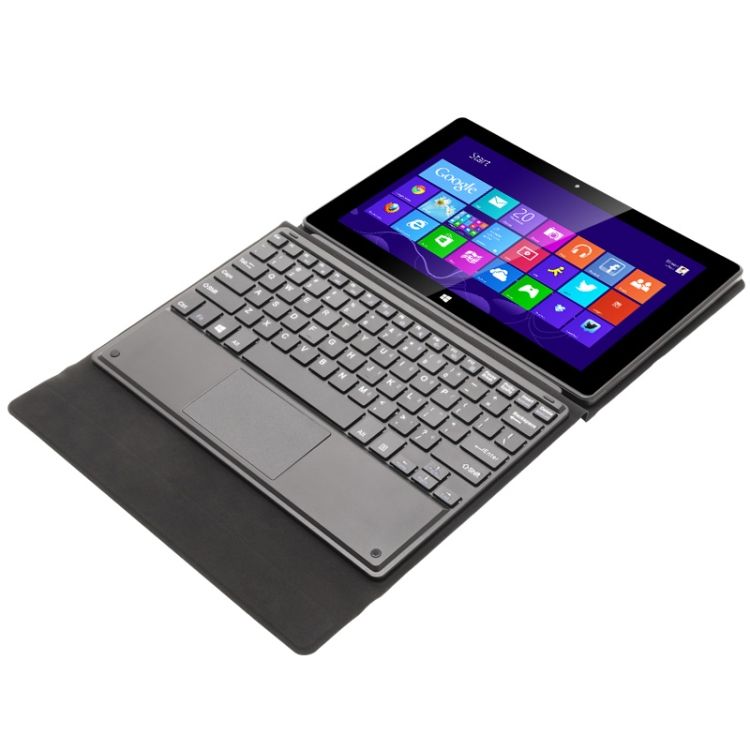
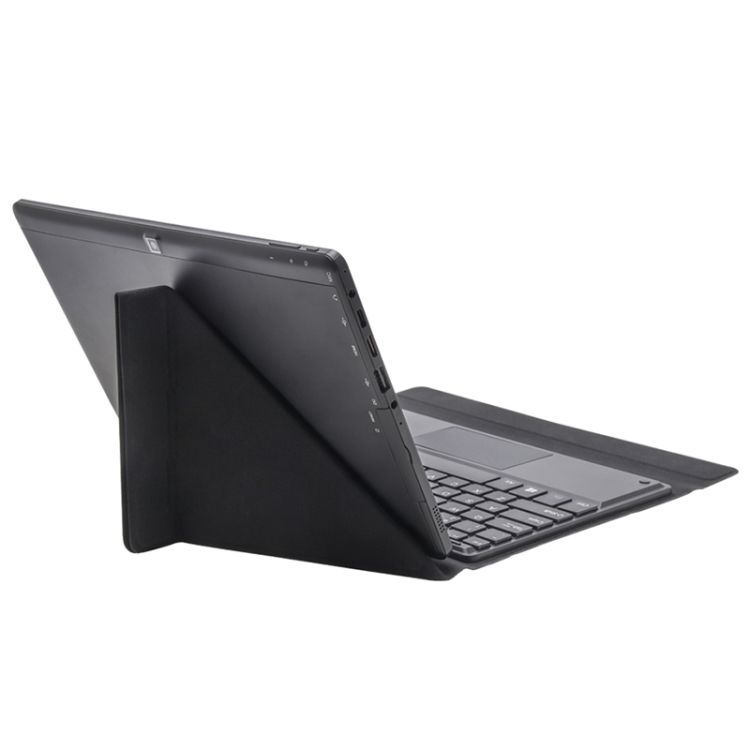
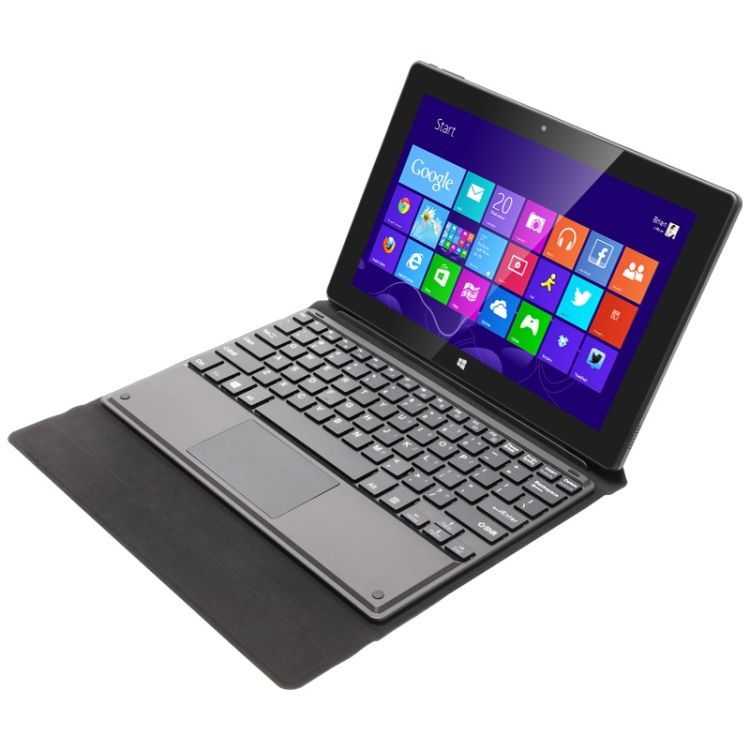
The LapTab features a sleek, minimalist design language that moves decisively away from the chunky, plasticky aesthetics often associated with budget devices. Its 10.1-inch IPS display is framed by a relatively slim bezel, offering an immersive viewing experience for both work and entertainment. The centerpiece of its design is the detachable keyboard dock. With a magnetic hinge mechanism that evokes premium counterparts like the Microsoft Surface, the dock transforms the tablet from a casual consumption device into a full-fledged productivity tool. The keyboard itself is reported to offer decent travel and feedback, making extended typing sessions feasible.
The Heart of the Machine: Intel Inside
At the core of the LapTab lies an Intel Atom processor, a variant specifically tailored for mobile, low-power devices. This is a critical component of the story. Intel, the undisputed king of the desktop and server CPU world, has been struggling to gain a meaningful foothold in the mobile space, dominated by ARM-based designs from Qualcomm, Samsung, and MediaTek. For Intel, the Micromax partnership is a strategic beachhead. By powering a novel, headline-grabbing device in one of the world’s fastest-growing markets, Intel demonstrates the viability and versatility of its mobile architecture.
The Software Symphony: Dual-Boot Innovation
The LapTab’s most defining feature is its dual-boot capability. At boot-up, users are presented with a choice: the familiar, app-rich ecosystem of Android or the full-powered, desktop-grade environment of Windows. This is not mere emulation or a parallel runtime; it is a native implementation of both operating systems on the same Intel hardware.
- The Android Experience: In tablet mode, Android provides a touch-optimized interface perfect for media consumption, casual gaming, web browsing, and using the vast library of mobile applications on the Google Play Store.
- The Windows Experience: Once docked with the keyboard, booting into Windows 8.1 transforms the LapTab into a portable PC. Users can run full desktop software like Microsoft Office, Adobe Photoshop Elements, and desktop browsers, enabling real content creation and complex multitasking.
This hybrid approach directly targets a user who desires a single device for all computing needs—a student who needs a tablet for reading and videos but a laptop for assignments, or a professional who wants a light device for travel that can still handle spreadsheets and presentations.
Specifications at a Glance: A Technical Deep Dive
| Feature | Specification |
|---|---|
| Model Name | Micromax LapTab |
| Announced | January 8, 2014, CES, Las Vegas |
| Estimated Price | ₹24,999 (Indian Market) |
| Processor | Intel Atom SoC (Dual-Core / Quad-Core variant) |
| Operating System | Dual-Boot: Android Jelly Bean & Windows 8.1 |
| Display | 10.1-inch IPS (1280 x 800 pixels) |
| RAM | 2GB |
| Internal Storage | 32GB/64GB, expandable via microSD |
| Cameras | 2MP Front-facing, 5MP Rear |
| Connectivity | Wi-Fi 802.11 b/g/n, Bluetooth 4.0, USB 2.0, Micro-HDMI |
| Battery | Up to 8 hours (claimed) |
| Key Feature | Detachable Keyboard Dock included |
A Symbiotic Alliance: Why Micromax and Intel Need Each Other
The LapTab is not just a product; it is the fruit of a strategic partnership where both companies address critical gaps in their respective portfolios.
Intel’s Gambit in the Mobile Arena:
For Intel, the mobile revolution has been a challenging frontier. Despite its x86 architecture dominating the PC server market, the power-efficient ARM architecture has become the de facto standard for smartphones and tablets. The partnership with Micromax provides Intel with several crucial advantages:
- Market Access: Micromax is the second-largest smartphone vendor in India, the world’s second-largest mobile market. This gives Intel immediate scale and a powerful channel to millions of new users.
- A Proof of Concept: By being the engine behind an innovative, first-of-its-kind device, Intel can showcase to other OEMs that its chips are capable of more than just basic tablets—they can power versatile, hybrid devices.
- Software Optimization: The dual-boot system is a technical marvel that required deep collaboration between Intel, Microsoft, and Google. Successfully pulling it off positions Intel as a capable and innovative partner for software integration.
Micromax’s Metamorphosis: From Local King to Global Contender
For Micromax, the association with a titan like Intel is transformative. It is a masterclass in brand elevation.
- Shattering the “Cheap” Ceiling: While profitable, the budget segment is a brutally competitive, low-margin game. The LapTab, at a premium price point for the Indian market, allows Micromax to break into the more lucrative mid-to-high-end segment, improving its profit margins and attracting a more affluent, brand-conscious consumer.
- Engineering Credibility: Co-developing a device with Intel lends Micromax immense technical credibility. It signals to consumers and industry watchers that the company possesses the engineering prowess to handle complex, cutting-edge projects, moving beyond the image of a mere assembler of off-the-shelf components.
- The Global Passport: An announcement at CES, in partnership with Intel, guarantees international media coverage. The “Micromax” name is no longer just in Indian trade magazines; it is on the lips of global tech analysts. This provides invaluable brand equity for its planned expansions into markets like Russia, Southeast Asia, and Eastern Europe.
The Competitive Landscape: Navigating a Crowded Field
The LapTab does not enter a vacuum. It arrives in a segment populated by established players, each with its own philosophy.
- Microsoft Surface: The Surface Pro is the premium benchmark for the detachable category. However, it is priced significantly higher, often twice the cost of the LapTab. Micromax’s strategy is not to compete with the Surface on raw power but to offer a compelling, good-enough alternative at a fraction of the price.
- Apple iPad with Keyboard Folios: The iPad is the tablet king, but iOS is a consumption-first ecosystem. The LapTab’s full Windows capability gives it a distinct advantage in productivity, appealing to users for whom the iPad’s mobile OS is a limitation.
- The Android Tablet Legion: A sea of Samsung, Lenovo, and ASUS tablets run Android. The LapTab immediately differentiates itself with its dual-OS capability, offering a value proposition none of them can match.
- The Local Rivalry: In India, brands like iBall and Lava are also exploring this space. However, none have the backing of a partnership as significant as Micromax-Intel. This move allows Micromax to leapfrog its domestic competitors in both innovation and brand perception.
The Road Ahead: Challenges and Opportunities
While the LapTab announcement is a resounding success from a marketing and strategic perspective, the real test lies ahead.
Potential Challenges:
- Software Fluidity: The biggest question mark hangs over the user experience of switching between the two OSes. Is it a seamless reboot, or are there hiccups? How is data storage managed between the two environments? A clunky implementation could undermine the entire concept.
- Performance Optimization: An Intel Atom processor running two full operating systems must be meticulously optimized to ensure smooth performance in both environments without suffering from short battery life.
- Consumer Education: Selling a hybrid device is more complex than selling a phone or a laptop. Micromax will need to invest heavily in retail training and marketing to clearly communicate the unique value of the LapTab to avoid consumer confusion.
- After-Sales Support: As Micromax moves into more complex hardware, its service center network must be upgraded to handle repairs and software support for a entirely new category of device.
Immense Opportunities:
- Creating a New Category: The LapTab has the potential to define the “affordable hybrid” category in emerging markets. For price-sensitive consumers making their first or second computing purchase, a device that is both an entertainment tablet and a productivity laptop is an incredibly attractive proposition.
- The Enterprise and Education Sectors: This device could be perfectly suited for educational institutions that need affordable computing labs or for small businesses that want to equip their workforce with versatile tools. The Windows environment provides compatibility with legacy business software, while Android offers ease of use for other tasks.
- A Template for the Future: The success of the LapTab could establish a new template for other OEMs to follow, potentially creating a new sub-category of devices powered by Intel and its partners.
Conclusion: A Watershed Moment for Indian Tech
The unveiling of the Micromax LapTab at CES 2014 is far more than a product launch. It is a watershed moment for the Indian technology industry. It signifies the arrival of an Indian company on the global stage not as a follower or a contract manufacturer, but as an innovator and a strategic partner to the world’s most influential tech firms.
For the consumer in India and beyond, the LapTab, priced at ₹24,999, promises a new level of versatility and power, challenging the very definitions of a tablet and a laptop. For Micromax, it is the vehicle for its ambitious metamorphosis. And for Intel, it is the long-sought validation of its mobile strategy.
The journey is just beginning. The market will ultimately decide the fate of the LapTab. But one thing is certain: the “cheap phones brand” narrative has been irrevocably shattered. In its place stands a confident, global player, ready to write the next chapter of its story, not just in the bustling markets of New Delhi and Mumbai, but on the world stage. The message from Las Vegas is clear: Micromax means business.

