



By Anushka Verma | October 24, 2025
In a major leap for sustainable technology, Japanese accessory manufacturer Elecom has unveiled the world’s first commercially available sodium-ion (Na-ion) power bank, the Na Plus. With a capacity of 9,000mAh, this pioneering device promises not only to charge smartphones, tablets, and laptops efficiently but also to do so in an environmentally friendly and safer manner than conventional lithium-ion power banks.
As electronic devices proliferate globally, portable power banks have become a necessity. However, most of these rely on lithium-ion technology, which, while widely used, poses environmental, safety, and disposal challenges. Sodium-ion technology presents a revolutionary alternative, and Elecom’s Na Plus exemplifies the future of green energy storage. This article provides a deep dive into the Na Plus, its technology, benefits, potential drawbacks, and what it means for the future of portable power.
Introduction: The Rise of Portable Power and the Need for Innovation
Portable charging solutions have become indispensable in modern life. Smartphones, tablets, smartwatches, laptops, and even portable gaming devices require reliable energy sources to keep functioning throughout the day. The rise of work-from-home arrangements, remote learning, and mobile lifestyles has significantly increased the demand for high-capacity power banks.
Traditionally, lithium-ion batteries have dominated the market, thanks to their high energy density and reliability. They power everything from mobile phones to electric vehicles. However, the widespread use of lithium-ion technology has brought its share of problems:
- Environmental Concerns: Lithium-ion batteries rely on materials like lithium, cobalt, and nickel, the mining and disposal of which can be toxic and harmful to ecosystems.
- Safety Risks: Overheating and thermal runaway can occur if batteries are mishandled, leading to fires or explosions.
- Shorter Lifespan: Most lithium-ion power banks last about 500 charge cycles, meaning they often need replacement within a few years.
Sodium-ion technology emerges as a promising alternative. Sodium is abundant, widely available, non-toxic, and safer for both production and disposal. By adopting sodium-ion batteries in portable power banks, Elecom’s Na Plus addresses environmental sustainability and user safety without compromising performance.
Product Overview: Na Plus Specifications
Elecom’s Na Plus is designed to combine high capacity, safety, and portability. Here is a detailed specification table:
| Feature | Specification |
|---|---|
| Model | Elecom Na Plus (DE-C55L-9000) |
| Battery Type | Sodium-Ion (Na-ion) |
| Capacity | 9,000mAh |
| Weight | 350 grams |
| USB-C PD Output | 45W |
| USB-A Output | 18W |
| Lifespan | 5,000 charge cycles |
| Operating Temperature | -35°C to 50°C |
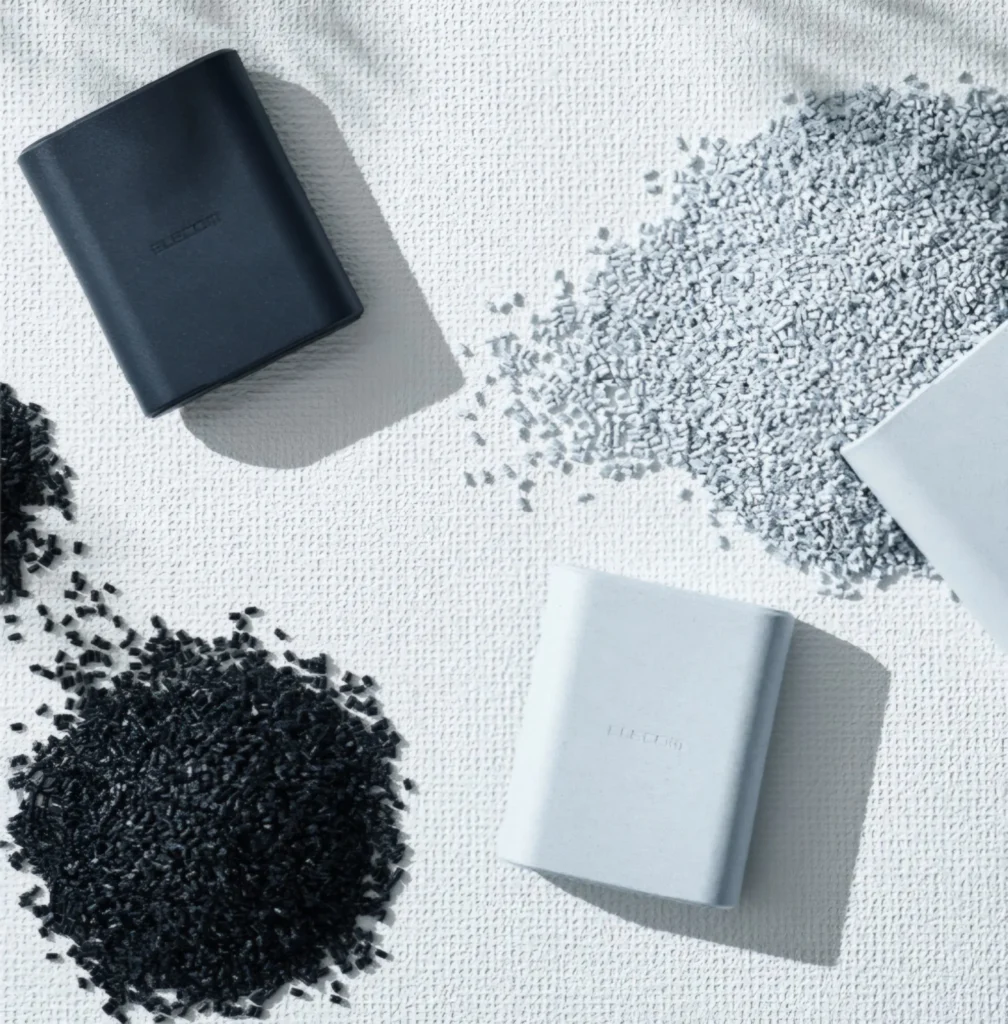
| Colors | Light Grey, Black |
| Price | ¥9,980 (≈ ₹5,750) |
The Na Plus is slightly heavier than typical lithium-ion power banks due to the lower energy density of sodium-ion batteries. However, this trade-off is balanced by its extended lifespan and environmental benefits.

Key Features of Elecom Na Plus
1. High Capacity
With a 9,000mAh capacity, the Na Plus can fully charge most smartphones 2–3 times and provide partial charges for tablets and smaller laptops. This makes it ideal for daily commuting, travel, and emergency situations.
2. Dual Charging Ports
The device features two output ports to meet diverse charging needs:
- USB-C PD Port (45W): Enables fast charging for laptops, high-power tablets, and smartphones. Compatible with PD (Power Delivery) standards for efficient energy transfer.
- USB-A Port (18W): Supports standard charging for phones, smartwatches, headphones, and other accessories.
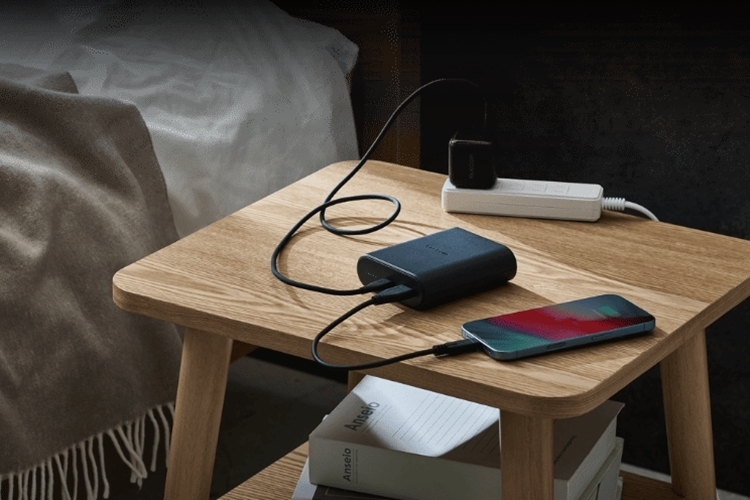
Simultaneous charging of multiple devices is possible, allowing users to power both a smartphone and a tablet at once.
3. Long Lifespan
Traditional lithium-ion batteries can endure approximately 500 charge cycles before capacity starts to decline significantly. In contrast, the Na Plus can last up to 5,000 charge cycles, roughly ten times longer, which translates to years of reliable use. This durability not only benefits users but also contributes to reducing electronic waste.
4. Temperature Resistance and Safety
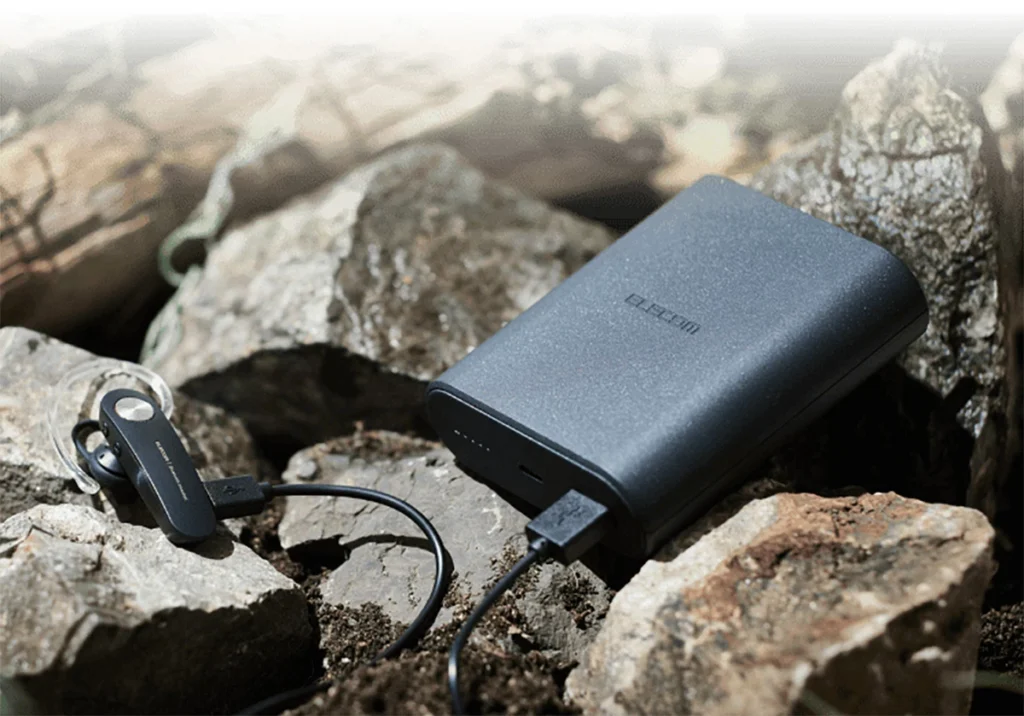
Sodium-ion batteries operate safely across extreme temperatures, from -35°C to 50°C, making the Na Plus suitable for outdoor use in harsh environments. Sodium-ion technology is less prone to overheating, reducing the risk of fires or explosions commonly associated with lithium-ion batteries.
5. Eco-Friendly Material
Unlike lithium-ion batteries, which rely on scarce metals like lithium and cobalt, sodium-ion batteries use abundant and environmentally friendly sodium. This reduces the ecological footprint of battery production, making the Na Plus a sustainable choice for eco-conscious consumers.
Sodium-Ion vs. Lithium-Ion: An In-Depth Comparison
| Feature | Sodium-Ion (Na+) | Lithium-Ion (Li+) |
|---|---|---|
| Cycle Life | ~5,000 | ~500 |
| Energy Density | Lower | Higher |
| Weight | Slightly heavier | Lighter |
| Cost | Higher (currently) | Lower |
| Environmental Impact | Non-toxic, abundant | Toxic, hard to recycle |
| Temperature Tolerance | -35°C to 50°C | 0°C to 45°C |
| Safety | Very safe, low overheating risk | Prone to thermal runaway |
While sodium-ion batteries have a lower energy density than lithium-ion batteries, the Na Plus balances this limitation with longer lifespan, safety, and sustainability.
Performance and Usability
The Na Plus is designed to deliver reliable performance across various scenarios:
- Smartphone Charging: Can charge most flagship smartphones 1–2 times fully on a single charge.
- Tablet Charging: Can charge standard tablets to around 50–60%, sufficient for on-the-go use.
- Simultaneous Charging: Multiple devices can be charged at the same time without compromising efficiency.
- Portability: Although heavier than some lithium-ion alternatives, the Na Plus remains portable at 350 grams, making it suitable for travel, commuting, or outdoor activities.
Its durability and ability to withstand extreme temperatures make it particularly appealing for adventurers, travelers, and emergency kits.
Market Price and Availability
Elecom has priced the Na Plus at ¥9,980, which is approximately ₹5,750. Currently, it is available in Japan, and while international availability has not been officially announced, global demand for eco-friendly electronics could encourage broader distribution in the near future.
The Na Plus is offered in two elegant colorways: Light Grey and Black, catering to different aesthetic preferences. Its design is minimalist yet functional, emphasizing portability, usability, and eco-conscious branding.
Environmental Impact
One of the most significant advantages of sodium-ion technology is its reduced environmental footprint. Lithium-ion batteries are challenging to dispose of and often end up polluting ecosystems due to the toxic metals used in their production. In contrast, sodium is abundant, non-toxic, and easily recyclable.
Key environmental benefits of Na Plus include:
- Reduced E-Waste: Longer lifespan means fewer batteries are discarded.
- Sustainable Materials: Sodium extraction is environmentally friendly compared to lithium and cobalt mining.
- Safer Manufacturing and Disposal: Less hazardous material makes production and disposal less risky for workers and the environment.
By choosing sodium-ion technology, Elecom contributes to global efforts to minimize environmental harm while maintaining high product performance.
Consumer Perspective: Practical Scenarios
Travel and Outdoor Use
The Na Plus is ideal for travelers, hikers, and campers who require a durable power source. Its wide operating temperature range ensures reliable charging even in extreme cold or hot climates.
Daily Commute
For urban users, the Na Plus offers multiple device charges during a workday. It can keep a smartphone, wireless headphones, and a smartwatch powered throughout the day.
Emergency Situations
In areas prone to power outages, the Na Plus serves as a dependable emergency charger. Its high capacity and long lifespan mean it can be relied upon for years without degradation.
Expert Opinions and Industry Response
Battery technology experts have praised the Na Plus for its innovation:
“Sodium-ion technology addresses two critical problems: environmental impact and battery lifespan. While energy density is currently lower than lithium-ion, advancements in this field could make sodium-ion the standard for eco-friendly electronics,” says Dr. Keiko Yamamoto, a battery technology researcher at Tokyo Institute of Technology.
Industry analysts also predict that sodium-ion batteries could expand beyond portable electronics into electric vehicles and home energy storage, potentially challenging lithium-ion dominance in multiple sectors.

Future Outlook of Sodium-Ion Batteries
The Na Plus is a first step toward widespread adoption of sodium-ion technology. Future improvements could include:
- Higher Energy Density: Bridging the gap with lithium-ion batteries.
- Cost Reduction: Mass production and technological advances could lower prices.
- Broader Applications: Integration into EVs, renewable energy storage, and grid-level applications.
- Global Distribution: Growing awareness of sustainability may drive demand worldwide.
Elecom’s Na Plus demonstrates that eco-friendly and high-performance power solutions are possible, setting a benchmark for competitors.
Conclusion
The Elecom Na Plus is more than just a portable charger; it is a symbol of innovation, sustainability, and user-focused design. With 9,000mAh capacity, 5,000 charge cycles, and wide temperature tolerance, it challenges conventional lithium-ion technology and offers a viable alternative for eco-conscious users.
Priced at around ₹5,750, the Na Plus combines functionality, safety, and environmental responsibility, making it a compelling choice for tech-savvy consumers, travelers, and those seeking sustainable gadgets.
As sodium-ion technology continues to advance, we can expect longer-lasting, safer, and greener batteries to become the norm across portable electronics and beyond. Elecom has laid the foundation, and the future of portable energy looks bright, safe, and sustainable.