


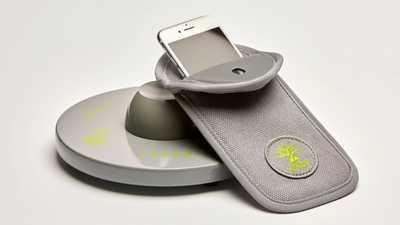
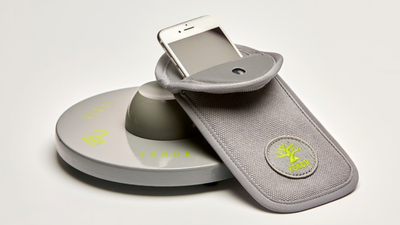
In classrooms across the US, a product meant to enforce phone-free learning is being undone by low-tech ingenuity. The $25 phone-lock pouch, marketed by Yondr, was designed to keep smartphones physically inaccessible during school hours while allowing students to keep the device on them. But within weeks of rollout in some districts, students began sharing workarounds. A sharp knock on a desk, a strong magnet ordered online, or even a carefully chosen rock slipped inside the pouch has been enough to defeat the lock. What schools saw as a streamlined solution, many students now treat as a puzzle to be solved.
What the phone-lock pouch is meant to do
Yondr pouches are fabric sleeves that lock shut magnetically. Students place their phones inside at the start of the day and unlock them at designated stations after school. The idea is to remove temptation without confiscation, reducing classroom conflict and easing anxiety about lost or damaged devices. At $20 to $25 per student, districts have spent millions adopting the system.
How students are breaking it
The methods are strikingly simple. Some students discovered that hitting the pouch against a hard surface at a certain angle can pop the lock. Others use strong magnets to release it directly. Another tactic involves slipping a flat rock or dummy object into the pouch, making it appear sealed while the phone stays free. Scissors and pencils have also been used to pry or cut seams. Once a few students succeed, the techniques spread quickly through word of mouth and social media.
Why the system fails in schools
The pouches were first popularised at concerts and comedy shows, where staff control entry and exit and audiences have little incentive to tamper. Schools are different. Students handle the pouches all day, peer pressure rewards clever rule-breaking, and enforcement is uneven. A single successful bypass can undermine the credibility of the entire system.When pouches are damaged or cut open, schools must replace them. Administrators in some districts say costs add up quickly, especially when budgets are already tight. Teachers have questioned whether the same results could be achieved with cheaper options like wall caddies, lockers or backpack rules.Some educators report that phone-free classrooms improve focus and discussion, regardless of the method used. Others say the pouch became a distraction in itself. Parents are divided too. Some appreciate limits on screen time, while others worry about delayed access to phones during emergencies.
A bigger issue than hardware
Experts argue the pouch debate misses a deeper question. Blocking access does not change students’ relationship with their phones. It only postpones it. As one teacher put it, teenagers see the pouch as something to outsmart rather than a habit to rethink. Until schools address phone use as a cultural issue, not just a technical one, even the strongest lock may prove temporary.