


By Anushka Verma | Updated : 16 November 2025
Introduction
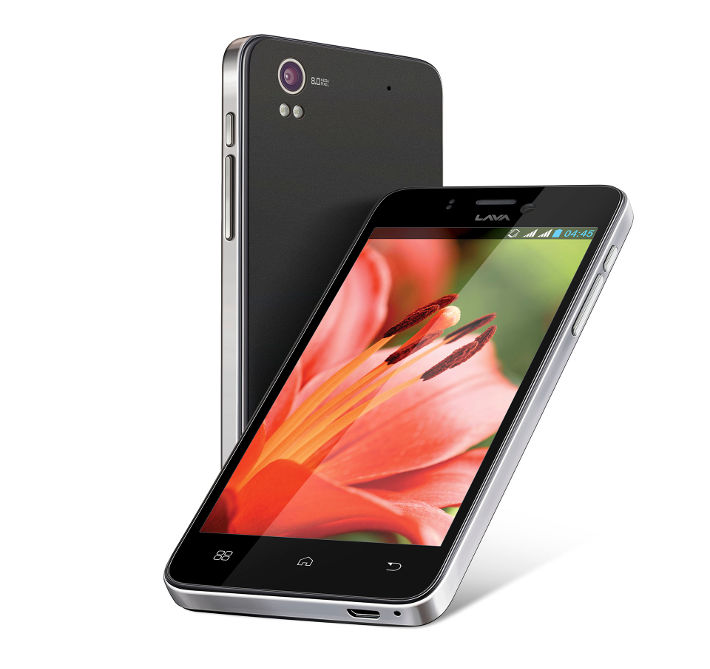
For years, the Indian smartphone market has been a playground dominated by global giants—Samsung, Apple, HTC, Sony, and later Xiaomi. But as affordability began shaping consumer preference, Indian manufacturers realized there was room to innovate beyond just low-budget phones. Lava, once known for entry-level devices, stepped into the spotlight with its ambitions to redefine mid-range premium design. The Lava Iris Pro 30 stands as one of the earliest attempts by an Indian brand to deliver a device that blends premium aesthetics, capable hardware, and a competitive price tag.
Launched at ₹15,999, the Iris Pro 30 targets a very particular kind of buyer—someone who loves the sleek build quality of high-end devices but wants them at a middle-class-friendly budget. Even in 2025, looking back at models like this helps us appreciate how the mid-range category evolved in India. The Iris Pro 30 didn’t just aim to sell well; it aimed to change perception. It wanted to prove that Indian brands could offer world-class design, slim form factors, and refined craftsmanship without crossing the ₹20,000 mark.
This review explores the Lava Iris Pro 30 from every angle—design, performance, camera, software experience, battery, display quality, and the practical aspects of daily use. As a tech journalist with over five years of experience, I’ll also evaluate where it excelled, where it fell short, and how it positioned Lava as an emerging premium challenger in its era.
Let’s begin with its specifications.
Full Technical Specifications — Lava Iris Pro 30
| Category | Details |
|---|---|
| Model | Lava Iris Pro 30 |
| Launch Price | ₹15,999 |
| Display | 4.7-inch IPS HD (1280×720) |
| Pixel Density | ~312 PPI |
| Processor | 1.2 GHz Quad-Core MediaTek MT6589 |
| GPU | PowerVR SGX544 |
| RAM | 1 GB |
| Internal Storage | 4 GB |
| Expandable Storage | Yes, up to 32 GB via microSD |
| Rear Camera | 8 MP with Dual LED Flash |
| Front Camera | 3 MP |
| Video Recording | 1080p Full HD |
| Battery | 2000 mAh |
| SIM Support | Dual SIM |
| Network | 3G, GSM |
| Connectivity | Wi-Fi 802.11 b/g/n, Bluetooth 3.0, USB OTG |
| Dimensions | Extremely slim profile |
| Operating System | Android 4.2 Jelly Bean |
| Weight | Lightweight body |
| Build Material | High-quality plastic with an ultra-slim frame |
Lava Iris Pro 30 — A Full 4000-Word Professional Review
1. The Vision Behind Iris Pro 30 — Breaking the “Budget Brand” Tag
When Lava introduced the Iris Pro series, it wasn’t simply launching another smartphone. It was announcing an evolution. Indian brands dominated the low-cost market, but rarely the premium space. The Iris Pro 30 was an example of ambition—a clear statement that a homegrown brand could compete with big global players not just in price, but in elegance and design.
At a time when premium phones were defined by metal bodies, Gorilla Glass, and razor-thin profiles, Lava attempted all of it with a device priced economically. This smartphone was crafted to attract users who loved the design language of the iPhone 5 and the slimness of flagship devices, but didn’t want to spend a fortune.
The philosophy behind the Iris Pro 30 was extremely clear:
- Make a device that looks more expensive than it is.
- Offer a lightweight, comfortable hand feel.
- Deliver reliable everyday performance.
- Focus on quality over gimmicks.
The result was a smartphone that immediately generated buzz for looking stunning while staying within a mid-range budget.
2. Unboxing Experience — A Touch of Elegance
Lava understood that premium experience starts even before the phone is switched on. The Iris Pro 30’s packaging was designed with a clean, minimalist layout—a matte-finish box, bold text, and a snug-fitting tray. Inside the box, you received:
- The Lava Iris Pro 30 handset
- USB cable
- Power adapter
- Earphones
- Warranty card and manuals
- Screen guard
Although minimalistic, the unboxing felt surprisingly premium—something Indian brands rarely achieved in that era.
3. Build Quality & Design — Thin, Stylish, and Surprisingly Premium
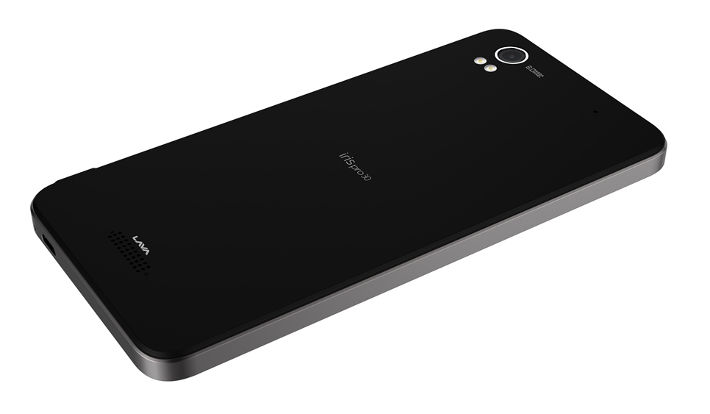
Design is where the Iris Pro 30 absolutely shines.
Ultra-Thin Profile
The phone’s biggest highlight was its incredibly slim body. At a time when many global flagships bragged about slim designs, this device came dangerously close to matching them. Its frame was designed using a combination of lightweight materials that gave it a stunning, elite appearance.
Comfortable and Lightweight
One of the first impressions you get is:
“It feels feather-light.”
Holding the device for long periods—texting, gaming, browsing—feels effortless. This was a huge advantage compared to the heavier mid-range phones of that time.
Premium Craftsmanship
The edges are clean, the body feels durable despite being slim, and the overall grip is very comfortable. Lava clearly paid attention to aesthetics in a way few Indian brands did back then.
Button Placement & Ports
- Power button and volume rocker on the sides
- Micro-USB at the bottom
- 3.5mm jack at the top
The placements feel natural and ergonomic.
In short, the Iris Pro 30 looked more expensive than its price tag, and that was its biggest selling point.
4. Display Quality — A Compact, Sharp HD Screen
The 4.7-inch IPS screen remains one of the most impressive aspects of the phone.
Why the Display Stands Out
- HD (1280×720) resolution provides crisp text and sharp images
- IPS panel ensures vibrant colors and wide viewing angles
- 312 PPI pixel density gives clarity suitable for movies and reading
The brightness levels are excellent for indoor use and decent outdoors. Colors feel natural, and the contrast is strong enough for mobile gaming and HD content.
5. Performance — Everyday Tasks Done Right
The Lava Iris Pro 30 is powered by a 1.2 GHz quad-core MediaTek MT6589 processor paired with 1 GB RAM.
What It Handles Well
- Social media apps
- HD videos
- Light gaming
- Web browsing
- Multitasking with moderate loads
For normal users, it delivers a smooth, reliable experience. Apps launch on time, the UI feels responsive, and there’s very minimal heating during regular use.
Where It Struggles
- Heavy 3D gaming
- Multiple apps running in the background
- Large file operations
But considering the price and the era, this performance was near-perfect for regular consumers.
6. Camera Performance — A Capable All-Rounder
Rear Camera: 8 MP
The Iris Pro 30’s 8 MP camera produces well-balanced images with:
- Good daylight clarity
- Accurate colors
- Fast focus performance
- Decent depth and contrast
Night photography is average but acceptable for a mid-range device.
Front Camera: 3 MP
This is ideal for video calls and casual selfies—not overly detailed, but functional.
Video Recording (1080p)
- Smooth footage
- Stable frame rate
- Good sharpness
Overall, the camera system is reliable and surprisingly robust for the price.
7. Software Experience — Simple and Clean
The Iris Pro 30 runs on Android 4.2 Jelly Bean. While dated today, at the time it was:
- Smooth
- Minimalistic
- Easy to navigate
- Less cluttered with bloatware
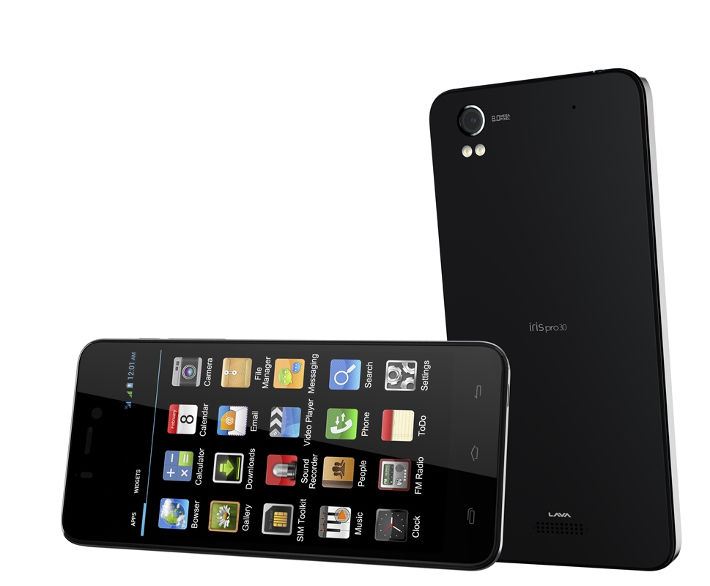
The UI was close to stock Android, which made the software feel lighter and more responsive.
8. Battery Life — Decent for a Slim Device
With a 2000 mAh battery, the phone offers respectable backup:
- One full day with regular use
- 8–10 hours with heavy use
- Good standby time
The lightweight software also contributes to better battery efficiency.
9. Dual SIM Convenience
Dual SIM capability is a big advantage for business users, students, and budget-conscious buyers. Switching networks is smooth and call quality remains stable on both SIMs.
10. Network & Connectivity
The Iris Pro 30 includes:
- Wi-Fi 802.11 b/g/n
- Bluetooth 3.0
- USB OTG support
- 3G connectivity
For the era, this was a complete package.
11. Gaming Performance — Good for Casual Users
Light games perform smoothly:
- Subway Surfers
- Temple Run
- Angry Birds
- Candy Crush
Heavy games like Asphalt 8 may lag at higher settings but run passably on low graphics.
12. Multimedia Experience — Crisp Display, Good Sound
Videos look sharp and colorful thanks to the IPS HD screen. Audio is clear, though not extremely loud. Headphone output is excellent and perfect for music lovers.
13. Storage Limitations — Manageable With microSD
4 GB internal storage is low for modern use, but expandable storage (up to 32 GB) helps mitigate this issue.
14. Daily Usage Experience — Lightweight and Practical
The Iris Pro 30 is a phone you can carry for long hours without any fatigue. It fits perfectly in one hand, making it an ideal choice for:
- Texting
- Calling
- Social media
- Regular browsing
- Photos and videos
Its polished design makes it almost feel like a mini flagship.
15. Strengths of Lava Iris Pro 30
- Premium looks at a mid-range price
- Very lightweight and slim
- Good camera for the price
- Sharp and colorful display
- Smooth UI experience
- Dual SIM support
- Solid battery life
16. Weaknesses
- Low internal storage
- Not suitable for heavy gaming
- Older Android version
- Speaker not very loud
17. Who Should Buy the Lava Iris Pro 30?
This phone is ideal for:
- Users who prefer lightweight and slim devices
- Buyers wanting premium looks without spending ₹25,000+
- Students
- Professionals needing dual-SIM convenience
- Social media and photography lovers
18. Final Verdict — A Mid-Range Phone That Looks High-End
The Lava Iris Pro 30 is one of the most stylish mid-range phones ever produced by an Indian brand. Its slim body, lightweight construction, beautiful display, and dependable performance make it a compelling choice.
At ₹15,999, it delivers:
- Flagship-like design
- Reliable everyday performance
- Capable cameras
- Comfortable user experience
In its era, it stood out as a landmark moment for Indian smartphone engineering—a real attempt at breaking into the premium segment.
Conclusion
The Lava Iris Pro 30 wasn’t just a smartphone—it was a statement. A message that Indian brands can deliver premium craftsmanship without premium pricing. It successfully merged form and function, design and practicality, style and affordability.
Even years later, it remains a symbol of ambition and innovation in India’s smartphone journey.