



By: Anushka Verma
Published On: 21 November 2025
Apple has dominated the premium smartphone market for years, but one category where it has stayed unusually silent is foldable smartphones. While Samsung, Motorola, Oppo, Vivo, and OnePlus have all actively pushed multiple foldable phones in global markets, Apple has yet to enter the space. However, recent reports and insider leaks from reliable industry sources including analysts, Asian supply chain trackers, and Bloomberg’s Mark Gurman now strongly indicate that Apple is preparing to disrupt the category in 2026 with its first-ever foldable iPhone. The new device is expected to directly challenge Samsung’s Galaxy Z Fold lineup, but with Apple’s signature hardware precision, high durability standards, and ecosystem-based user experience that could redefine what a foldable phone can be.
If the reports turn out to be accurate, this could be one of the biggest product launches in smartphone history. The foldable iPhone is said to be more premium, slimmer, lighter, and possibly stronger than any current folding device in the market. For Apple users waiting for a larger-display experience without switching from iOS, this could be the perfect blend of an iPhone and iPad in one compact device. This news article explores everything we know so far – including design leaks, foldable display specifications, build quality, camera expectations, performance upgrades, price expectations, competition in the foldable market, and how this product could shape the next era of smartphones.
What Will Apple’s First Foldable iPhone Look Like?
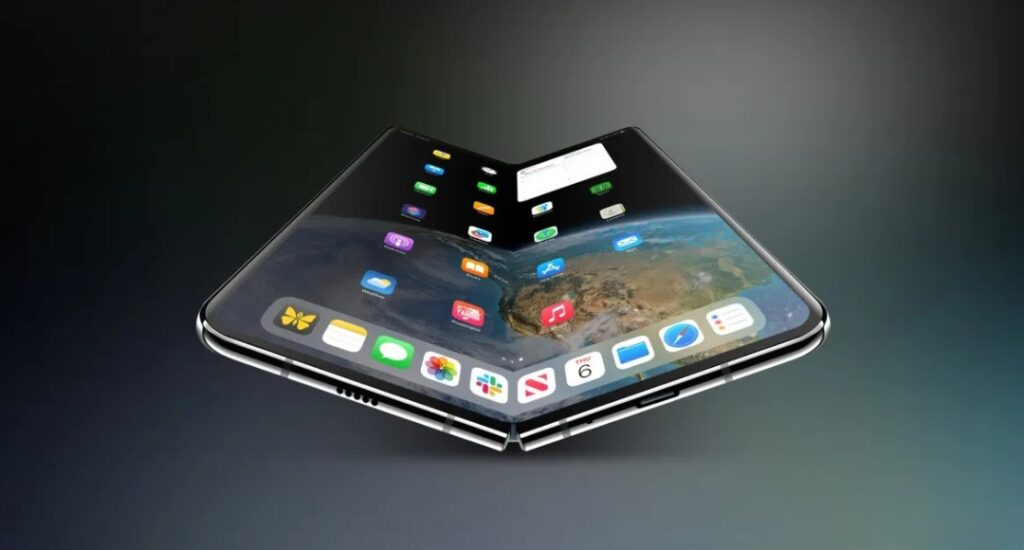
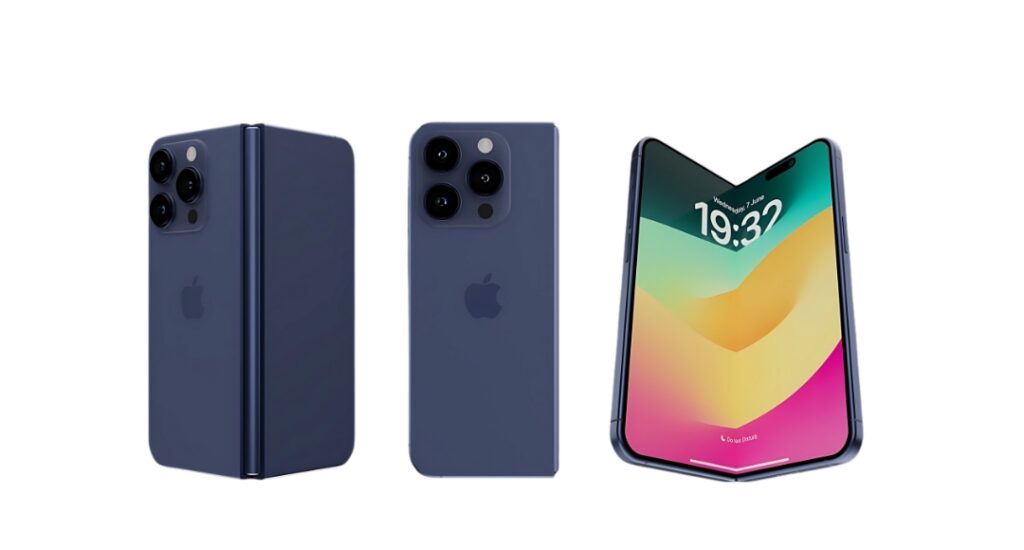
According to early reports and design leaks from trusted industry experts, Apple’s first foldable iPhone will follow a book-style design, similar to the Samsung Galaxy Z Fold series. When opened, it will transform into a small tablet, offering more screen real estate for reading, typing, watching content, gaming, and productivity tasks. When folded, the device will function as a standard premium iPhone form factor with a compact outer screen.
Bloomberg’s Mark Gurman claims that the foldable iPhone’s design will be inspired by the upcoming iPhone 17 Air (Slim) – a model that may become Apple’s slimmest smartphone to date. Apple reportedly aims to achieve a thickness of around 5.5mm when folded open, making it one of the thinnest foldable phones ever made. When closed, the device could measure approximately 9.2mm, which still makes it slimmer than most Samsung and Motorola foldable phones currently available.
The build quality will remain a core highlight. Apple is said to be developing a metal alloy frame, potentially made of aerospace-grade aluminum, with military-grade durability testing to withstand long-term folding. One of the biggest engineering achievements could be the introduction of a liquid metal hinge, a next-generation hinge mechanism designed for almost crease-free folding and improved longevity, solving one of the biggest consumer complaints seen in early foldable devices from competitors.
Expected Specifications – Display, Battery, Build and Hardware
While Apple has not officially confirmed any details, multiple industry insiders have shared consistent specs. Below is a consolidated overview of rumored hardware based on current reports.
Expected Technical Specifications of Apple Foldable iPhone
| Feature | Details (Expected) |
|---|---|
| Form Factor | Book-style foldable smartphone |
| Main Display | 7.8-inch OLED display (when unfolded) |
| Cover Display | 5.5-inch exterior screen |
| Thickness (Unfolded) | ~4.6mm – 5.5mm |
| Thickness (Folded) | ~9.2mm |
| Hinge Construction | Liquid metal hinge for high durability |
| Build Material | Aerospace aluminum alloy |
| Biometrics | Side-mounted Touch ID expected |
| Camera Setup | Dual rear camera system |
| Battery Capacity | ~5,000mAh estimated |
| OS | iOS with optimized foldable interface adjustments |
| Expected Launch | 2026 |
| Estimated Price | Around $2,300 (~₹1,99,000 in India) |
These specifications are not final and may evolve further as the product nears launch. Apple’s historical product development cycles often undergo multiple prototype revisions, especially in new categories.
Display Innovation – Could Apple Deliver the Best Folding Experience Yet?
Apple is known for using industry-leading display panels, often co-developed with companies like Samsung, BOE, and LG. For the foldable iPhone, Apple is expected to introduce a customized OLED panel capable of high brightness, long lifespan, and reduced crease visibility. Rumors suggest that the upgrade in hinge mechanics will significantly reduce the central crease, potentially outperforming Samsung’s latest Galaxy Z Fold devices.
Apple is also likely to enhance software features to complement the folding experience. Instead of simply resizing apps, Apple could:
- Introduce advanced multitasking options resembling iPadOS
- Enable drag-and-drop across multiple active apps
- Support side-by-side apps similar to a laptop view
- Offer Apple Pencil (or an entirely new foldable stylus)
If Apple manages to create a flexible display that works seamlessly with iOS software optimizations, this could set a new standard in the industry. With the world of mobile computing moving toward flexible form factors, Apple’s engineering advantage may allow it to deliver not just hardware, but a highly refined user experience.
A Closer Look at the Hinge System – The Biggest Challenge in Foldable Smartphone Design
Early foldable phones from Samsung and Huawei faced the same fundamental issue – hinge durability, dust protection, and long-term crease formation. Apple seems particularly focused on solving these engineering issues before launching a foldable device.
According to leaks, Apple is experimenting with a liquid-metal hinge mechanism, possibly made using a zinc-titanium alloy that:
- Provides smoother folding
- Reduces material stress
- Minimizes crease depth
- Ensures long hinge lifespan
- Offers better dust and moisture resistance
Apple has reportedly filed multiple patents relating to advanced hinge systems, including those with wedge-shaped folding regions that disperse pressure evenly to prevent display damage. If these solutions make it to the final product, Apple’s foldable iPhone could deliver a more premium folding experience than current premium foldables.
Camera Systems – What to Expect
Apple’s foldable iPhone is expected to feature a dual rear camera setup, which may include:
- A 48MP primary sensor
- A 12MP ultra-wide or telephoto lens
While some competing flagships already offer triple or quad camera setups, Apple may focus instead on:
- Sensor quality
- Image processing improvements
- Software-level stabilization
- Upgraded low-light photography
- Smart computational optimization via the Bionic chipset
Apple typically integrates camera systems tuned for real-world consistency rather than marketing-driven megapixel numbers. If the device also supports iPad-like video stabilization, it could become one of the most capable portable video devices available.
Performance – Chipset, Software, and AI Optimization
Although it is too early to confirm the exact chipset, Apple’s foldable iPhone will likely launch with a next-generation Bionic processor – possibly the A20 or A21 chip, depending on release timing. The chipset may also expand on Apple’s new:
- Hardware-based AI Neural Engine
- Improved graphics for larger display apps
- Support for more desktop-class workloads
- Lower heat generation per watt
iOS will also undergo major UI modifications, including:
- Layout adjustments to better utilize large internal displays
- Dynamic app resizing
- Improved split-screen multitasking
- Taskbar or dock-style interface options
- Fold-position based orientation detection
Apple’s ecosystem integration remains its biggest strength. Once the foldable iPhone enters the ecosystem, features such as Universal Clipboard, Handoff, AirDrop, FaceTime continuity, and sidecar features between MacOS and iPadOS could make the device more versatile than traditional foldable smartphones.
Battery Life and Charging Expectations
Another advantage of the foldable form factor is the ability to fit larger batteries. With early reports hinting at a capacity of around 5,000mAh, Apple could finally deliver strong all-day endurance, especially since larger foldable displays typically consume more power.
Other expected features include:
- Fast wired charging
- MagSafe wireless charging
- Advanced thermal heat control
- Smart power distribution through AI
Considering Apple’s efficiency-first chip architecture, the foldable iPhone may outperform Android foldables not just in power efficiency, but also in long-term battery health.
Price – Premium Cost for a Premium Segment
A foldable Apple device will not be cheap. Analysts project pricing to start around:
$2,300 (approx ₹1,99,000 in India)
This would make it one of the most expensive iPhones ever made – a device clearly aimed at premium buyers, professionals, Apple loyalists, and early adopters.
Why such a high price?
- Expensive foldable display manufacturing
- New mechanical hinge development
- Advanced R&D costs
- Low-volume production in early years
- Branding and Apple premium positioning
Apple rarely launches a product just to compete. When it enters a market, it aims to lead in stability, performance, and long-term reliability. Therefore, consumers should expect a high-end price tag that reflects Apple-level craftsmanship.
Competition – Could Apple Change the Foldable Smartphone Market?
Samsung currently leads the global foldable market with over 50% market share. However, over the last two years, competition from:
- Motorola
- Oppo
- OnePlus
- Xiaomi
- Vivo
- Huawei
has intensified. Apple’s arrival could significantly shift this landscape.
Why?
- Apple users rarely switch platforms once invested
- The iPhone brand carries unmatched global loyalty
- Apple has a stronger premium market hold
- Apple could redefine software standards for foldables
- Competitors may have to drop prices or innovate faster
If Apple succeeds with its first attempt, the entire market could:
- Experience aggressive growth
- See increased consumer awareness
- Push competitors toward long-term software support
- Accelerate innovations in hinge and display engineering
Apple’s brand alone may trigger demand even among customers who have so far avoided foldable devices.
Can Apple Break Samsung’s Dominance?
Samsung has had a multi-year advantage in the foldable category, along with the largest user base. However, Samsung also faces issues:
- Visible crease lines
- Thick hinge designs
- Software inconsistencies
- Fast-growing Chinese competition
Apple could outperform Samsung in:
- Display refinement
- Software experience
- Metal and hinge quality
- UI consistency across apps
- Performance-per-watt efficiency
If Apple delivers a foldable phone with near-mirrorless durability and long-term reliability, Samsung may finally face the toughest competition in a category it pioneered.
Challenges Apple Will Need To Overcome
Despite strong expectations, Apple still faces several major challenges:
1. Perfecting Hinge Durability
A poorly engineered hinge could damage the display long-term. Apple needs military-grade strength and friction control to avoid long-term wear.
2. Eliminating Display Creasing
Users expect a seamless viewing experience. Foldable creases remain one of the biggest flaws in every competing brand.
3. Heat Management
Larger screen workloads mean higher heat output, especially during multitasking and gaming.
4. Long-Term Software Optimization
iOS must evolve into a foldable-friendly UI without confusing traditional iPhone users.
5. Higher Price Adoption
The $2,300 price point may restrict early adoption, especially in India and Southeast Asia.
If Apple solves these problems, the foldable iPhone could become a breakthrough product.
Will Apple’s Foldable iPhone Redefine the Smartphone Future?
The global smartphone market has stagnated over the last few years, with fewer revolutionary upgrades and incremental improvements dominating flagship releases. Foldables are one of the few truly new innovations capable of renewing user excitement.
Apple entering the sector could:
- Accelerate global adoption
- Increase R&D investment from competitors
- Push app developers to support large-screen interfaces
- Blur the line between phone, tablet, and laptop
- Expand mobile productivity culture
Apple has a history of arriving late but reshaping entire industries – including:
- Smartphones
- Tablets
- Smartwatches
- Wireless earbuds
- Digital wallets
If Apple applies the same refinement strategy to foldables, we could witness the beginning of a new era in mobile computing.
Final Verdict – The Biggest iPhone Launch in Years?
While Apple has not officially confirmed the foldable iPhone, the consistency and volume of leaks suggest that 2026 could mark the beginning of Apple’s biggest hardware transformation in a decade. The foldable iPhone is expected to combine:
- World-class industrial design
- A durable new hinge system
- Slim and lightweight profile
- A next-gen large display
- Premium-class camera performance
- iOS with foldable UI optimizations
- High performance and long battery life
If delivered as promised, Apple may not just launch a foldable phone – it may define what a foldable phone should be.
Customers, tech analysts, and the entire smartphone industry are now eagerly waiting for Apple’s official announcement, which could reshape the competitive landscape and set new expectations for years ahead.
Disclaimer
This article is based on industry leaks, analyst reports, and unconfirmed supply-chain information. Apple has not yet officially announced its foldable iPhone. Specifications, features, launch dates, and final pricing may change before the commercial launch.