



Written by Anushka Verma
Published: December 5, 2025
The relentless pursuit of photographic perfection in the mobile realm has defined the last decade of smartphone evolution. As we stand at the precipice of 2025, the industry’s titans are locked in a battle not merely over megapixels, but over computational artistry, sensor mastery, and the elusive goal of mirroring—or surpassing—the depth and nuance of human vision. It is within this high-stakes arena that Vivo prepares its next salvo: the Vivo X200 Ultra. Far more than an iterative update, this device, meticulously teased by the company’s own Product Manager, Han Boxiao, represents a philosophical and technological manifesto. It is engineered not just to compete, but to recalibrate the very benchmarks of what a camera phone can achieve, promising a revolution that begins with an unprecedented 200-megapixel gaze and permeates every facet of the flagship experience.
The anticipation surrounding the X200 Ultra is a palpable force, fueled by a cascade of credible leaks and strategic official teases. The confirmation of its rear camera module design served as the starter’s pistol, releasing a flood of specifications that paint a picture of a device built with monomaniacal focus on imaging supremacy, yet without compromise on performance, durability, or user experience. This is not a specialist tool, but a holistic flagship designed to be a user’s primary window to the world. As the launch crescendo builds, we synthesize all available intelligence to present the most comprehensive portrait yet of the device that aims to sit atop the smartphone pyramid.
Deconstructing the Optical Powerhouse: The X200 Ultra’s Camera System
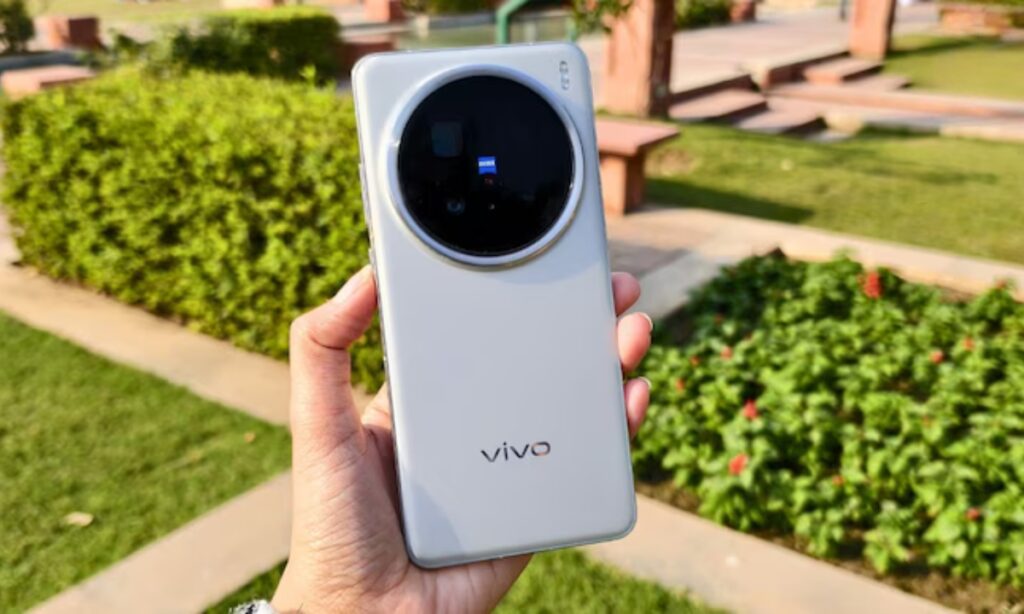
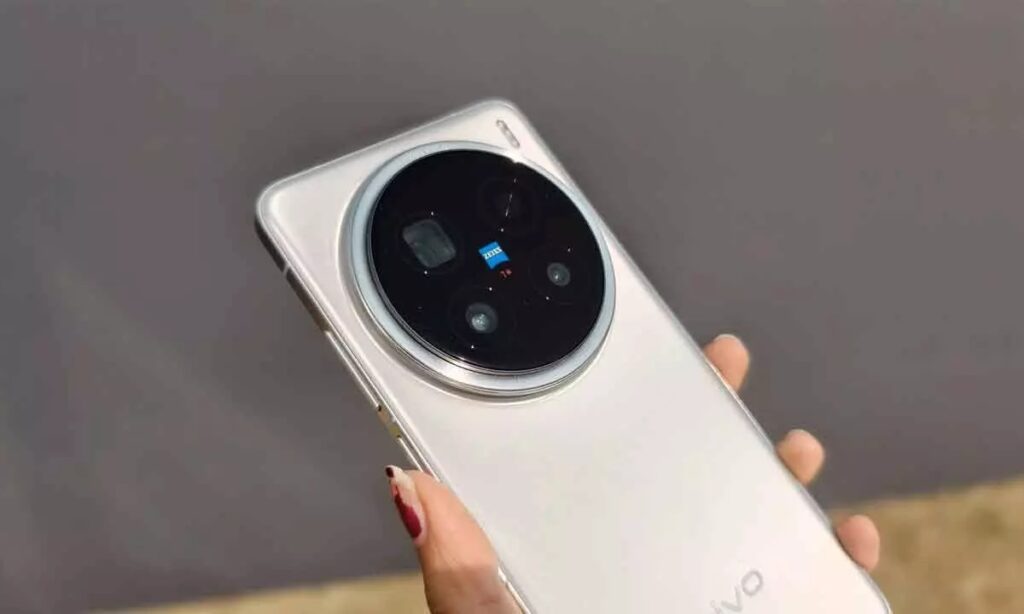
At the heart of the Vivo X200 Ultra’s claim to fame lies its tripartite rear camera array, a configuration that speaks a language of extreme specialization. Each lens is not just a different focal length but a master of its specific domain, engineered to excel in scenarios where others compromise.
The Colossus: The 200MP Samsung HP9 Periscope Telephoto
The headline act, and the feature that justifies the “Revolution” in headlines, is the groundbreaking 200-megapixel periscope telephoto camera. Utilizing Samsung’s next-generation HP9 sensor, this component is a monumental leap from the already impressive 100-megapixel periscope in its predecessor, the X100 Ultra. The numbers tell a compelling story: a staggering 38% increase in light intake. In practical terms, this translates to a fundamental rewriting of the rules for long-range photography. Traditionally, telephoto lenses suffer in low-light conditions, their small apertures struggling to capture sufficient photons, resulting in noisy, soft images. The HP9’s vastly improved light capture capability promises to shatter this limitation.
Imagine capturing the intricate feathers of a distant bird in the golden, fading light of dusk, or the tense expressions of athletes on a far field under stadium lights—all with a clarity and color fidelity previously reserved for much brighter scenes. This sensor enables not just digital zoom with unprecedented detail retention but also fosters breathtaking macro capabilities. The sheer resolution allows for extreme cropping, effectively turning a shot of a flower into a microscopic exploration of its pollen without ever physically moving closer. Vivo’s proprietary imaging chip, likely the latest iteration of its V-series, will work in tandem with this sensor, managing the colossal data stream, applying noise reduction algorithms, and ensuring that the 200MP captures are processed into images of sublime detail rather than just large files.
The Foundation: The 35mm Master Main Sensor
While the periscope lens captures the imagination, the 35mm main sensor forms the bedrock of the camera system. The choice of 35mm is a deliberate and artistic one, hewing close to the field of view of the human eye. This focal length is revered in traditional photography for its natural perspective, making it ideal for street photography, portraits, and everyday storytelling. Vivo has equipped this sensor with enhancements specifically targeting focus speed, stabilization, and night photography. We can expect a large sensor size, perhaps a custom-tuned Sony IMX variant, with pixel-binning technology (combining multiple pixels into one larger “super-pixel”) for exceptional low-light performance. Advanced stabilization, likely a combination of optical (OIS) and sophisticated electronic (EIS) systems, will ensure razor-sharp handheld shots and buttery-smooth video even in dynamic conditions. This is the go-to lens for reliability and artistic authenticity.
The Expansive Canvas: The 14mm Ultra-Wide-Angle Lens
Completing the optical trifecta is the 14mm ultra-wide-angle lens. This is the tool for grandeur, for capturing sweeping landscapes, towering architecture, or fitting an entire lively group into a selfie. The challenge with ultra-wide lenses has always been distortion—bending lines at the edges—and reduced detail. The X200 Ultra’s implementation is expected to leverage advanced correction algorithms to keep horizons straight and geometry true, while maintaining color and exposure consistency with the other cameras for a seamless transition when switching lenses. Leaks also suggest improved close-focusing ability for this lens, allowing for dramatic, perspective-warping close-up shots.
This triple-camera system, working in unison under the guidance of Vivo’s advanced software, promises a level of versatility that covers virtually every photographic scenario, from the intimate detail to the epic vista, all with a proclaimed commitment to professional-grade output.
| Camera Specification | Expected Details | Primary Use Case & Innovation |
|---|---|---|
| Periscope Telephoto | 200MP Samsung HP9 Sensor | Extreme zoom, low-light telepathy, microscopic macro detail. 38% increased light intake. |
| Main Sensor | High-resolution sensor (speculated Sony IMX9-series variant) at 35mm focal length. | Natural perspective photography, advanced stabilization, superior focus tracking, flagship low-light performance. |
| Ultra-Wide Angle | 14mm focal length, high-resolution sensor. | Expansive landscapes, architectural shots, group photos, distortion-corrected wide-angle imagery. |
| Front Camera | 50MP sensor with autofocus. | High-detail selfies, 4K video calling, reliable facial recognition. |
The Stage for the Spectacle: Display, Performance, and Acoustics
A camera system of this caliber deserves a canvas worthy of its output. The Vivo X200 Ultra is rumored to feature a 6.82-inch 2K LTPO display manufactured by BOE, employing a micro-quad-curved design. This terminology is key. “2K” ensures a pixel density so high that individual pixels become indiscernible, making for incredibly sharp text, interfaces, and photos. The “LTPO” (Low-Temperature Polycrystalline Oxide) backplane technology is the secret to intelligent power management. It allows the display’s refresh rate to dynamically scale from as low as 1Hz for static content like reading, up to a fluid 120Hz for scrolling, gaming, and animations. This provides the smoothest possible visual experience without needlessly draining the battery.
The “micro-quad-curved” descriptor suggests subtly curved edges on all four sides, offering an immersive, bezel-less look and comfortable swipe gestures, while minimizing the optical distortions and accidental touches sometimes associated with more aggressive curves. This display is engineered to be a visual delight, showcasing the phone’s photographic creations with vibrant, accurate colors, deep blacks, and exceptional brightness for outdoor visibility.
Driving this entire experience will be the undisputed champion of mobile silicon: the Qualcomm Snapdragon 8 Gen 4 processor. Built on an advanced 3nm process, this chipset promises monumental gains in both CPU and GPU performance, coupled with significant improvements in power efficiency. For the user, this translates to flawless multitasking, instantaneous app launches, and the ability to run the most demanding mobile games at peak frame rates and fidelity. This raw power is essential not just for smooth UI navigation, but for the real-time computational photography magic happening every time a photo is taken or a video is recorded. The phone is expected to be paired with ample, fast LPDDR5T RAM and UFS 4.0 storage, completing a performance package that leaves no room for complaint.
Audio, often an afterthought, is also poised for a premium treatment. While not explicitly detailed in leaks, Vivo’s flagship history suggests a high-quality stereo speaker setup tuned for clarity and immersive media consumption, potentially in partnership with audio specialists. The absence of a 3.5mm headphone jack is almost a given, with high-resolution wireless audio codecs like aptX Adaptive and LDAC expected to provide a stellar experience for audiophiles with compatible headphones.
Engineered for the Real World: Battery, Durability, and Security
Vivo understands that a revolutionary camera is useless if the device housing it cannot withstand the rigors of daily life or dies before the day is done. The X200 Ultra is reportedly being built to some of the toughest standards in the industry.
Battery and Charging: Powering this technological marvel is a colossal 6,000mAh battery. This capacity is a statement, aimed squarely at power users and heavy photographers who can’t afford to have their creative tool go dim. Coupled with the efficiency of the 3nm Snapdragon chip and the intelligent LTPO display, this should translate to exceptional, all-day-plus battery life under even heavy usage. When it is time to recharge, 90W wired fast charging is expected to provide astonishingly quick top-ups, potentially refilling a significant percentage of the battery in mere minutes. While wireless charging specifications remain unconfirmed, its inclusion is a near certainty for a device in this class.
Durability: The X200 Ultra is rumored to carry both IP68 and IP69 ratings. An IP68 rating is the familiar standard for dust and water resistance, allowing submersion in fresh water up to a specified depth (typically 1.5 meters for 30 minutes). The addition of an IP69 rating is the crucial upgrade. This signifies protection against high-pressure, high-temperature water jets, as defined by testing standards for equipment that must withstand harsh cleaning processes. In consumer terms, this makes the phone exceptionally resistant to accidental spills, rain, and even being rinsed under a tap—a significant boon for photographers shooting in challenging environments, from beaches to mountains.
Security and Interaction: Security is handled by a single-point ultrasonic fingerprint sensor embedded under the display. Ultrasonic sensors are generally faster and more reliable than optical under-display scanners, and better at working with moist fingers. They also allow for a larger, single sensing area for a more consistent unlock experience.
A particularly intriguing leak points to the inclusion of an iPhone-like Action Button. This customizable physical button, replacing the traditional mute slider, could be programmed for instantaneous access to a user-defined function. This could be anything from launching the camera app, to activating a voice recorder, to triggering a smart home scene, or instantly beginning a video recording. It represents a move towards more personalized and immediate physical interaction with the device.
The Ecosystem and the Final Verdict
The Vivo X200 Ultra will launch running on the latest version of Funtouch OS, based on Android 15. The software experience will be critical in harnessing the hardware’s potential. Expectations are high for a clean, intuitive interface, deep customization options, and seamless integration with Vivo’s ecosystem of products. More importantly, the camera app must be a masterpiece of usability, providing both intuitive automatic modes for point-and-shoot simplicity and expansive manual controls for professional photographers to fine-tune every parameter.
As of December 5, 2025, the Vivo X200 Ultra exists in a tantalizing state between rumor and reality. The pieces of the puzzle, as leaked and teased, form a picture of an uncompromising flagship. It is a device that appears to prioritize nothing less than owning the title of “best camera phone in the world,” backing it up with a top-tier display, benchmark-crushing performance, legendary battery life, and fortress-like build quality.
However, a critical disclaimer remains essential: The information presented here is synthesized from leaks, unofficial sources, and analyst predictions. While the broad strokes are likely accurate, Vivo reserves the right to alter specifications, features, and pricing before the official launch. The final measure of the X200 Ultra will be in the handling: the feel of its shutter response, the consistency of its camera output across lenses, and the day-to-day fluidity of its software.
Yet, if the promise holds true, the Vivo X200 Ultra is not merely a new phone. It is a proposition. A proposition that the future of mobile imaging is here, and it sees in 200-megapixel detail. It challenges competitors and consumers alike to look closer, zoom further, and expect more. The horizon has never been clearer, nor more detailed, and all eyes are now on Vivo to deliver the revolution they have so boldly foreshadowed.


