



Written by Anushka Verma
Published: 9, December, 2025
The automotive landscape is undergoing a seismic shift, a transformation more profound than the transition from horse-drawn carriages to the internal combustion engine. Electric vehicles (EVs) have unequivocally moved from a niche fascination to the unequivocal cornerstone of future mobility, driven by environmental imperatives, technological leaps, and evolving consumer consciousness. In this electrified arena, legacy automakers are racing to redefine their identities, and Nissan, a pioneer with the iconic Leaf, is making a bold statement with its latest revelations. The recent unveiling of the all-new Nissan Micra EV and the third-generation Nissan Leaf is not merely a product refresh; it is a strategic declaration, signaling Nissan’s intent to lead the next chapter of accessible, stylish, and high-performance electric mobility. These two vehicles, while catering to slightly different segments, collectively embody a future where electric propulsion is synonymous with desirability, innovation, and everyday practicality.
The narrative around EVs has often oscillated between hyper-efficient commuter boxes and luxury performance flagships. Nissan’s new duo aims to bridge that gap, injecting personality, cutting-edge design, and impressive capability into the heart of the market. The Micra EV represents the electrification of a beloved urban nameplate, promising to bring zero-emissions motoring to the style-conscious city driver. In contrast, the next-generation Leaf evolves from its pioneering, utilitarian roots into a sophisticated, range-optimized hatchback designed to conquer both city streets and cross-country highways with equal aplomb. This analysis delves into every facet of these groundbreaking vehicles, from their design philosophy and technical underpinnings to their potential impact on the global and, speculatively, the Indian market.
Unveiling the Future-Cute: The Design Philosophy of the Nissan Micra EV
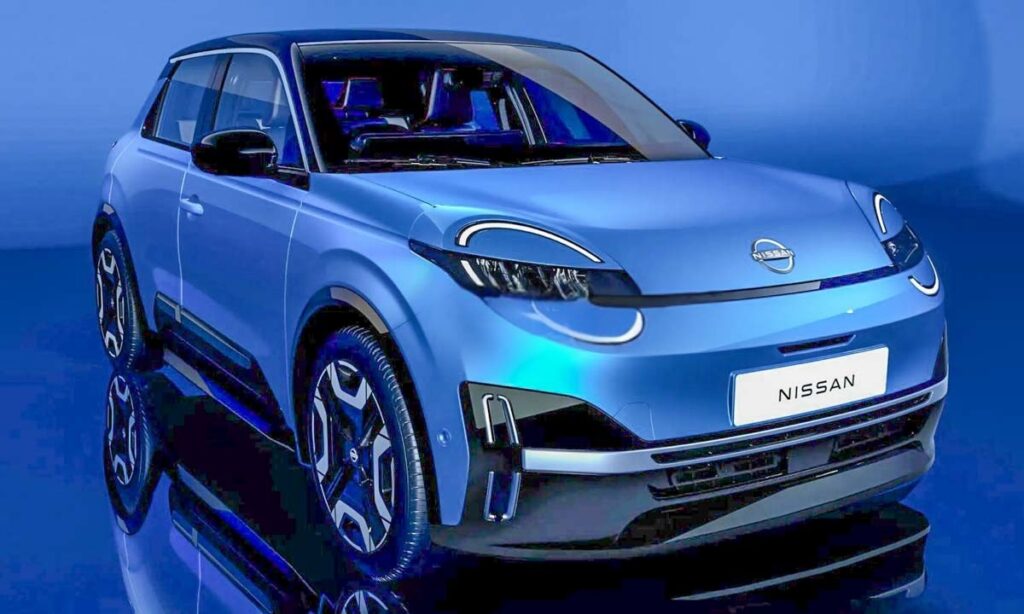
The Nissan Micra EV stands as a testament to the belief that electric vehicles can and should be emotive. Nissan’s Global Design Head, Alfonso Albaisa, has masterfully steered the production model to retain the overwhelming majority of the captivating design elements from its concept predecessor, labeling the aesthetic as “cute but futurist.” This is not mere marketing jargon; it is a precise description of a car that manages to feel both friendly and forward-looking. The most striking feature is undoubtedly the front fascia, dominated by sleek, circular LED headlights. These are not just any lights; they are meticulously crafted to mirror the shape of the Nissan logo itself, creating a brand-centric, signature lighting identity that is instantly recognisable. Inspiration, as noted by many observers, seems to have been drawn from the endearing, wide-eyed “puppy dog” look, bestowing the Micra EV with an approachable and fresh character that distinguishes it from the often-aggressive or anonymous faces of its competitors.
Moving beyond the captivating gaze, the Micra EV incorporates thoughtful details that enhance its modern persona. Gloss-black wheel arch cladding adds a touch of rugged contrast, while the aerodynamic flat wheels are a perfect blend of form and function, reducing drag without compromising on visual appeal. The side profile is expectedly taut, typical of a compact hatchback, but with proportions potentially reimagined by the flexibility of an EV-dedicated platform. However, the transition from concept to production has involved some pragmatic revisions. The full-width LED light bar has been substituted for a front bumper adorned with a smart silver trim, and the futuristic camera-based mirrors have made way for more traditional, yet likely aerodynamically optimized, rearview units. In a notable departure from the current EV design playbook, Nissan has opted to omit a rear spoiler on the Micra EV. This decision subtly differentiates it, relying on cleaner lines rather than added aerodynamic appendages.
A significant shroud of mystery currently envelops the Micra EV’s interior. Nissan has, thus far, been guarded about revealing the cabin’s layout, technology interface, and material quality. Expectations, however, are sky-high. One can anticipate a driver-centric cockpit featuring a large, free-standing digital instrument cluster and an equally impressive central touchscreen infotainment system, likely running an evolved version of Nissan’s connected car software. Sustainable materials, expansive use of soft-touch surfaces, and clever packaging to maximize interior space within its compact footprint are all anticipated hallmarks. The interior will be the final piece of the puzzle in determining whether the Micra EV truly delivers a premium, futuristic experience from the inside out.
Engineering Excellence: The Powertrain and Platform Promise
While specific technical specifications for the Micra EV’s motor and battery configurations remain under wraps, its strategic positioning offers clear clues. It is designed to be a compelling, accessible entry-point into Nissan’s electric universe. One can expect a single-motor, front-wheel-drive setup offering spirited acceleration perfect for urban environments, with a battery pack sized to deliver a competitive range, likely targeting the 350-450 kilometer (WLTP) bracket. This would place it squarely as a formidable rival to vehicles like the upcoming Renault 5 EV and other compact electric hatchbacks flooding the European market.
The true engineering bedrock for both new Nissan EVs is the acclaimed CMF-EV (Common Module Family-Electric) platform. This dedicated EV architecture, shared with the acclaimed Nissan Ariya SUV, is a masterpiece of modular engineering. It offers inherent advantages that internal combustion engine platforms converted to electric duty simply cannot match. The flat floor, enabled by the skateboard-style battery placement, liberates interior space, allowing for more cabin room and versatile seating configurations. The platform’s rigidity enhances driving dynamics, contributing to sharper handling and a quieter, more refined ride. Furthermore, it is engineered for optimal weight distribution and a low center of gravity, which translates to superior stability and cornering prowess. For the Micra EV, this means it will likely drive with an agility and composure that belies its “cute” exterior, offering a fun-to-drive character that has long been associated with the Micra name.

The Icon Reborn: The Third-Generation Nissan Leaf’s Quantum Leap
If the Micra EV is the charming newcomer, the third-generation Leaf is the seasoned veteran returning with a masterclass in evolution. The original Leaf broke ground as the world’s first mass-market EV, and this new iteration seeks to reclaim its leadership position with a staggering focus on range, efficiency, and refinement. The headline figure is nothing short of remarkable: an estimated 598 kilometers (WLTP) of range. This places the new Leaf at the very pinnacle of its segment, effectively eliminating range anxiety for the vast majority of drivers and making it a viable sole vehicle for households.
This achievement is not accidental. According to Nissan’s Chief Planning Officer, François Bailly, the development team placed an obsessive emphasis on highway endurance and aerodynamic efficiency. Every curve, crease, and contour has been scrutinized in the wind tunnel. The result is a drag coefficient (Cd) of just 0.25, a figure that rivals some of the most slippery vehicles on the road today. This slippery shape allows the Leaf to slice through the air with minimal resistance, preserving battery energy for miles, not fighting physics. Visually, the new Leaf adopts a more confident, planted stance. It appears as a compact SUV-like hatchback, offering a slightly higher seating position that buyers favor, without compromising its aerodynamic profile. The design is mature, sleek, and purposeful, signaling its serious intent as a long-distance cruiser.
Underpinnings and Performance: A Platform for Potential
Sharing the robust CMF-EV platform with the Micra EV and Ariya, the new Leaf benefits from the same foundational strengths. However, its mission necessitates different hardware. It will undoubtedly offer multiple battery and motor configurations. The long-range model achieving the 598 km figure will house a large-capacity battery pack, likely paired with a potent but efficient electric motor. Nissan may also offer a dual-motor, all-wheel-drive e-4ORCE variant, similar to the Ariya, providing enhanced traction, stability, and performance for those in varied climates or seeking a sportier drive. The e-4ORCE system is renowned for its precision, independently controlling the torque to the front and rear wheels to deliver astonishingly smooth acceleration and composed handling in all conditions.
The performance narrative for the new Leaf thus shifts from “adequate” to “abundant.” Instant torque delivery will provide brisk acceleration, while the sophisticated chassis will ensure that this performance is accessible and safe. The focus on long-distance comfort will also mean refined suspension tuning, exceptional noise insulation, and a suite of advanced driver-assistance systems (ProPILOT) that make highway journeys less fatiguing.
Production and Market Strategy: A Global Vision with Local Gaps
Nissan has confirmed that production of the next-generation Leaf will be anchored at its Sunderland plant in the United Kingdom, one of Europe’s largest and most advanced car manufacturing facilities. This underscores the strategic importance of the model for the European market. The Micra EV’s production location is also likely to be within Nissan’s European ecosystem, ensuring streamlined logistics for its primary target audience.
This brings us to the poignant question for a significant global market: Will the Micra EV and New Leaf come to India? The current outlook, based on available information and Nissan’s stated priorities, suggests not in the immediate future. Nissan’s Indian strategy for 2025-2026 appears firmly focused on strengthening its presence in the high-volume internal combustion engine (ICE) segments. This includes the anticipated launch of a new Renault Triber-based MPV to capture the family vehicle segment and a crucial mid-size SUV designed to challenge the hegemony of the Hyundai Creta and Kia Seltos. These moves are logical for a market where EV infrastructure is still in a developmental phase and price sensitivity is extreme.
The introduction of globally engineered EVs like the Micra EV and Leaf would face significant hurdles in India, primarily related to cost competitiveness against burgeoning local EV players and the still-nascent high-power charging network. However, Nissan’s global electrification momentum is unstoppable. The company may be developing more affordable, localized EV solutions for markets like India, potentially based on shared Alliance technology. For now, Indian consumers eagerly awaiting a Nissan EV must practice patience, observing the global rollout of these impressive machines as a preview of what will eventually arrive on their shores.
The Road Ahead: Nissan’s Electrified Future
The unveiling of the Nissan Micra EV and the third-generation Leaf is far more than a simple model update. It is a coordinated relaunch of Nissan’s electric heartland. The Micra EV democratizes stylish, accessible EV motoring, aiming to win hearts with its design and urban agility. The new Leaf reasserts technical dominance, offering a no-compromise, long-range electric vehicle that is as comfortable on a cross-continental trip as it is on the school run. Together, they form a compelling one-two punch, addressing the emotional and practical dimensions of car ownership in the electric age.
Their success will hinge on final pricing, the granular details of their tech offerings, and the real-world delivery of their promised range and performance. Yet, the vision they represent is clear. Nissan is leveraging its early EV experience to build a new generation of vehicles that are not defined by their powertrain alone but are celebrated for their holistic excellence. They represent a future where electric mobility is vibrant, capable, and seamlessly integrated into the fabric of our lives. For enthusiasts, eco-conscious drivers, and first-time EV buyers alike, these two vehicles are poised to be more than just transportation; they are signposts on the road to a truly electrified future, proving that the next chapter of driving will be not just cleaner, but also more exciting and sophisticated than ever before.
Disclaimer: This article is based on information and specifications available for the unveiled Nissan Micra EV and third-generation Nissan Leaf as of December 2025. Specifications, features, availability, and market launch plans are subject to change. For the most accurate, detailed, and up-to-date information, please refer to official Nissan communications or contact authorized Nissan dealerships in your region.


