


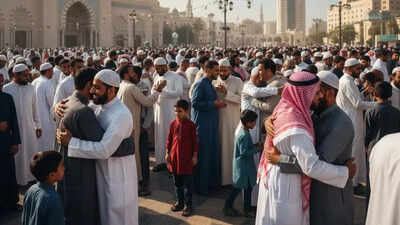
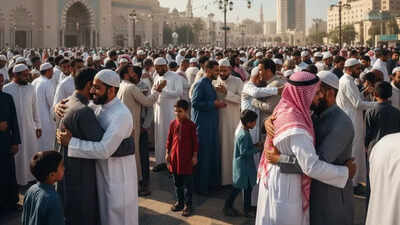
As Ramadan 2026 begins, many people around the world wonder which greeting to use when wishing friends and neighbours well during the holy month: “Ramadan Mubarak” or “Ramadan Kareem”? These phrases are commonly heard across Muslim communities. If you think these two phrases are interchangeable, you’re about 90% right, but that 10% difference is where the magic happens. In the UAE, choosing the right greeting is less about “grammar” and more about the “vibe” you want to send.
Meaning of “Mubarak” and “Kareem”
The most common phrase you’ll hear is Ramadan Mubarak, which translates literally to “Blessed Ramadan.” Think of this as the classic, gold-standard greeting. It’s like saying “Have a blessed month” and is considered the most religiously traditional way to wish someone well.On the other side of the ring is Ramadan Kareem, meaning “Generous Ramadan.” While “Mubarak” focuses on the blessing of the month, “Kareem” highlights the spirit of giving, hospitality, and the bountiful rewards Muslims believe are multiplied during this time. In the Gulf, “Ramadan Kareem” is incredibly popular because it perfectly matches the region’s famous culture of grand Iftars and bottomless generosity.
How does the world greet Ramadan?
Across the Gulf region, including places like the UAE, both “Ramadan Mubarak” and “Ramadan Kareem” are common. Some speakers prefer one over the other, but most people appreciate either greeting as a warm and thoughtful wish for the sacred month.In other parts of the Muslim world, such as South Asia or North Africa, people might use regional phrases or versions like “Ramzan Mubarak,” “Kul ‘am wa antum bi khair,” or “Happy Ramadan,” especially when speaking in English.Different languages also express Ramadan blessings in their own ways, from Urdu and Persian to French, Turkish, and beyond, showing how this global spiritual month is shared and celebrated widely.
Saying greetings with respect
While both greetings are widely used, a few practical tips make your well-wishes feel respectful and sincere:
- Say your greeting after the moon sighting or when Ramadan starts. Many people share Ramadan greetings on the first day or evening of fasting.
- A smile and warm tone go a long way, even saying “Happy Ramadan” sincerely in English is appreciated.
- If someone says “Ramadan Kareem”, a friendly reply is “Allahu Akram”, meaning ” God is even more generous’.
- Knowing a few Arabic phrases like “As-salaam ‘alaykum” (Peace be upon you) shows respect beyond just the holiday greetings.
Regardless of the specific phrase you use, the intention, greetings, respect, kindness, and appreciation, is what matters most to people observing Ramadan.
Looking ahead
Ramadan is more than a holiday, it is a month when millions of Muslims around the world fast from dawn until sunset, reflect spiritually, pray more often, give to charity, and strengthen bonds with family and community.Sharing greetings like “Ramadan Mubarak” or “Ramadan Kareem,” whether in Arabic or your own language, is a simple and meaningful way to share in that spirit. And because Ramadan falls at a slightly different time each year, based on the sighting of the crescent moon, the window to wish people well opens with excitement and joy.This year, whether you choose “Mubarak,” “Kareem,” or even a cheerful “Happy Ramadan”, your thoughtfulness will brighten someone’s day and connect you to a tradition cherished by nearly two billion people around the globe.