


By Anushka Verma
Updated: October 4, 2025
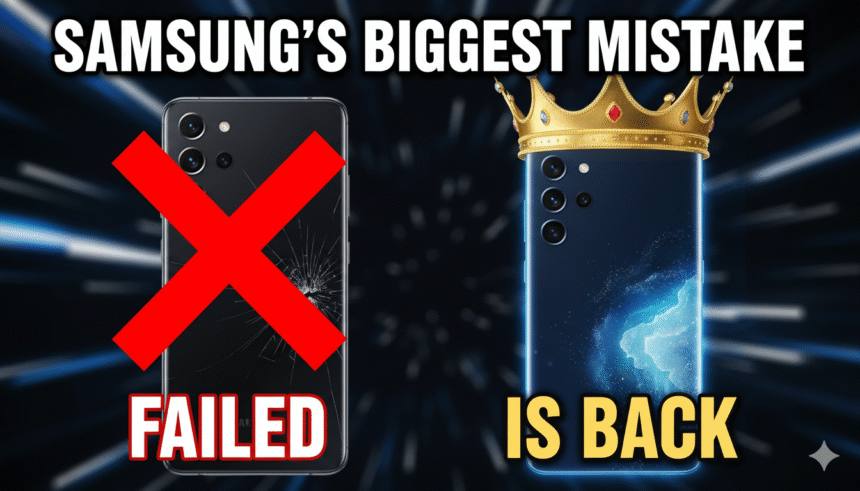
In a strategic pivot that underscores the volatile nature of the smartphone market, Samsung Electronics is reportedly reversing course on its flagship lineup by reviving the Galaxy S26 Plus model. This decision comes directly in response to the disappointing market performance and critical reception of its experimental Galaxy S25 Edge, which launched earlier this year. According to a new report from the esteemed South Korean publication The Elec, the tech giant has already initiated development on the “M Plus” model, signaling a return to a more familiar and traditionally successful product structure for its premier S-series.
This move highlights a fundamental lesson for the industry: innovation for its own sake, without a clear and compelling value proposition for the consumer, is a risky gambit. The planned revival of the Plus model suggests that Samsung is listening to market feedback and is prepared to correct course swiftly to protect its flagship brand identity and market share.
The Original Blueprint: A Three-Pronged Attack with the S26 Series
Prior to this development, the roadmap for the Galaxy S26 series was clear and aligned with the shifts seen in the Galaxy S25 launch. Samsung had intended to move away from the “Plus” nomenclature entirely, structuring its 2026 flagship launch around three core devices:
- The Galaxy S26 (codenamed M1): The standard bearer, offering the core flagship experience with a balanced mix of performance, camera capabilities, and price.
- The Galaxy S26 Edge (codenamed M2): The intended successor to the S25 Edge, designed as a sleeker, more fashion-oriented device, potentially sacrificing some specs for form factor.
- The Galaxy S26 Ultra (codenamed M3): The uncompromising powerhouse, featuring the absolute best in display, camera, S-Pen integration, and raw performance.
This triad was meant to cater to distinct user segments: the mainstream flagship buyer, the design-conscious user, and the pro-user/enthusiast. However, the failure of the S25 Edge to resonate with its intended audience has thrown a wrench into this well-laid plan, forcing a mid-cycle strategic rethink.
The Catalyst of Change: Dissecting the Galaxy S25 Edge’s “Sluggish Sales”
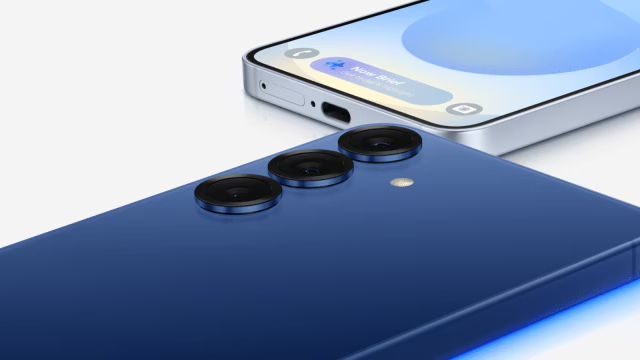
The report from The Elec pins the entire strategic shift on the “sluggish sales” of the Galaxy S25 Edge. But to understand the revival of the S26 Plus, one must first understand the failure of the S25 Edge. Launched with much fanfare as a revolutionary “slim and light” flagship, the device ultimately stumbled on several critical fronts.
1. The Performance Compromise: Form Over Function
The Galaxy S25 Edge was powered by the top-tier Snapdragon 8 Elite chipset, a processor known for its immense power. However, its ultra-slim profile left no room for an adequate cooling system. Under heavy or sustained workloads—such as gaming, 4K video recording, or intensive multi-tasking—the device reportedly suffered from significant thermal throttling. This means the processor would intentionally slow down its speed to prevent overheating, leading to a inconsistent and frustrating user experience. For a device marketed as a premium flagship, the inability to maintain peak performance was a fatal flaw.
2. The Camera Compromise: A Gap in the Arsenal
In its quest for a slimmer body, Samsung made a controversial decision to remove the telephoto lens from the S25 Edge’s camera array. While the main and ultra-wide sensors may have been competent, the lack of a dedicated optical zoom put it at a severe disadvantage against not only its stablemate, the S25 Ultra, but also against key competitors like the iPhone Pro models and Google Pixel. For modern smartphone users, a versatile camera system is non-negotiable in the premium segment, and the S25 Edge’s setup was perceived as incomplete.
3. The Battery Life Compromise: The Daily Anxiety
Perhaps the most tangible everyday issue was the battery. To achieve its slender form, the S25 Edge was equipped with a relatively modest 3,900mAh battery. Coupled with a power-hungry chipset and a high-refresh-rate display, the device struggled to last a full day on a single charge for average to heavy users. This constant “range anxiety” negated the benefits of its sleek design, as users were forced to carry power banks or be tethered to a charger.
4. The Production Numbers: A Telling Story
The scale of the S25 Edge’s market failure is quantified by its production figures. According to The Elec, the planned production volume for the S25 Edge from September to December 2025 sits in the “low 300,000s.” This is in stark contrast to the production volume of the previous year’s Galaxy S24 Plus, which was in the “low 500,000s” for a similar period. This represents a drop of nearly 40% in production targets, a clear indicator of weak demand and excess inventory of the Edge model.
Industry tipster Jukanlosreve added context on social media platform X, noting that while the S25 Plus had the smallest production target within its series, “selling one million units less has a significant impact on the company’s mobile division revenue.” This revenue impact is the ultimate driver behind Samsung’s swift corrective action.
The M Plus Emerges: What to Expect from the Galaxy S26 Plus
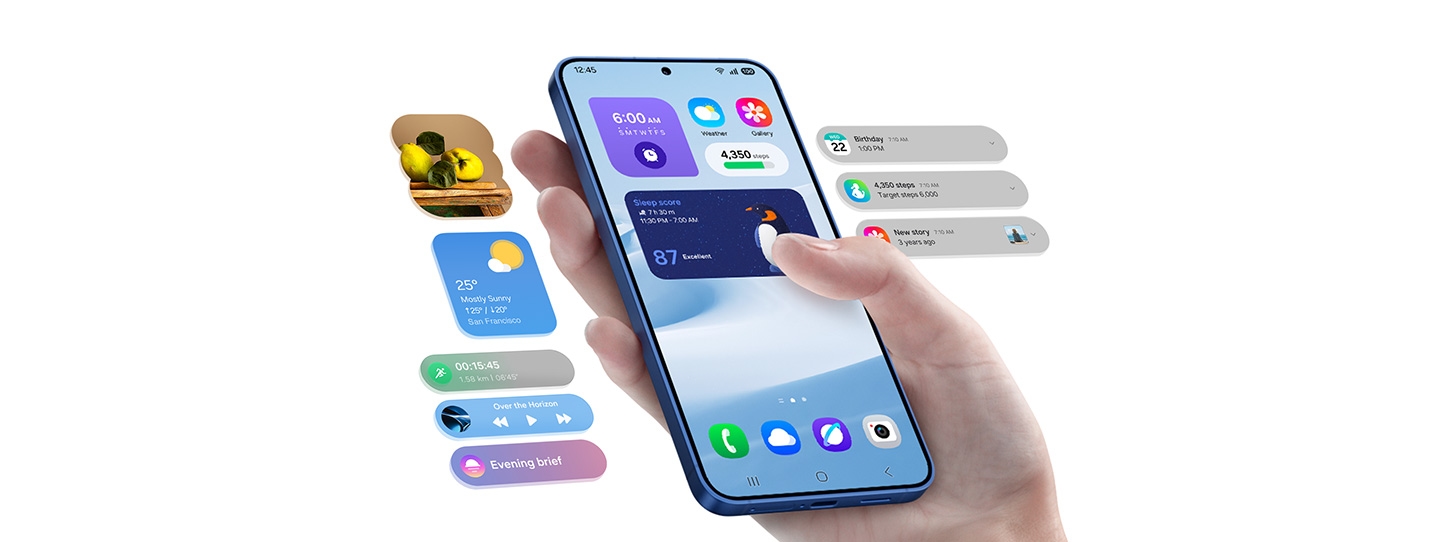
With the “M Plus” model now confirmed to be in development, the Galaxy S26 series is set to expand to four devices: the S26, S26 Plus, S26 Edge, and S26 Ultra. This represents a more nuanced and comprehensive portfolio strategy, aiming to cover all possible customer preferences without forcing them into a compromised device.
Based on the lessons learned from the S25 Edge, we can project the core identity of the Galaxy S26 Plus:
- A Return to Substance: The S26 Plus will likely abandon the “slim-at-all-costs” philosophy. Expect a design that prioritizes housing a large battery (likely 4,800mAh or higher) and a robust vapor chamber cooling system to allow the chipset (presumably the Snapdragon 8 Elite Gen 4 or equivalent Exynos) to perform without throttling.
- Camera Prowess Restored: The triple-camera system on the S26 Plus will almost certainly include a telephoto lens, placing it back in contention as a serious photographic tool. It will likely share the main and ultra-wide sensors with the base S26 but add a 3x or 5x periscope telephoto for versatility.
- The “Goldilocks” Position: The Plus model has historically occupied a sweet spot. It offers a larger screen and better specs than the base model without the size and price premium of the Ultra. The S26 Plus will aim to recapture this market: users who want a premium, large-screen experience but do not need the S-Pen or the absolute top-tier camera specs of the Ultra.
- Pricing Strategy: Learning from the S25 Edge’s value proposition issues, the S26 Plus will need to be strategically priced. It will likely slot in between the base S26 and the S26 Ultra, offering a clear step-up in features for a reasonable price increase, unlike the S25 Edge which was perceived as overpriced for its compromises.
Comparative Analysis: Samsung’s Evolving Flagship Strategy
The following table illustrates Samsung’s shifting strategy and the projected positioning of the Galaxy S26 series based on current reports.
| Model | S25 Series Strategy | S26 Series (Projected) | Key Differentiators (Projected) | Target Audience | Estimated Starting Price |
|---|---|---|---|---|---|
| Galaxy S26 | Balanced, entry-flagship | Balanced, entry-flagship | Core flagship features, compact form factor, best value. | First-time flagship buyers, those preferring smaller phones. | $799 |
| Galaxy S26 Plus | Discontinued | Revived: The Balanced Powerhouse | Larger screen than S26, full camera system (with telephoto), large battery, no major performance compromises. | Users wanting a large screen and premium features without the Ultra’s price/size. | $999 |
| Galaxy S26 Edge | N/A | Niche: The Design Statement | Focus on ultra-slim and light design, potentially with unique materials. May still have some spec compromises. | Fashion-conscious users who prioritize form factor and are light users. | $1,099 |
| Galaxy S26 Ultra | The Uncompromising Pro | The Uncompromising Pro | Best-in-class everything: display, camera (200MP+), S-Pen, performance, battery life. | Professionals, creatives, tech enthusiasts who want the absolute best. | $1,299 |
Broader Implications for Samsung and the Smartphone Industry
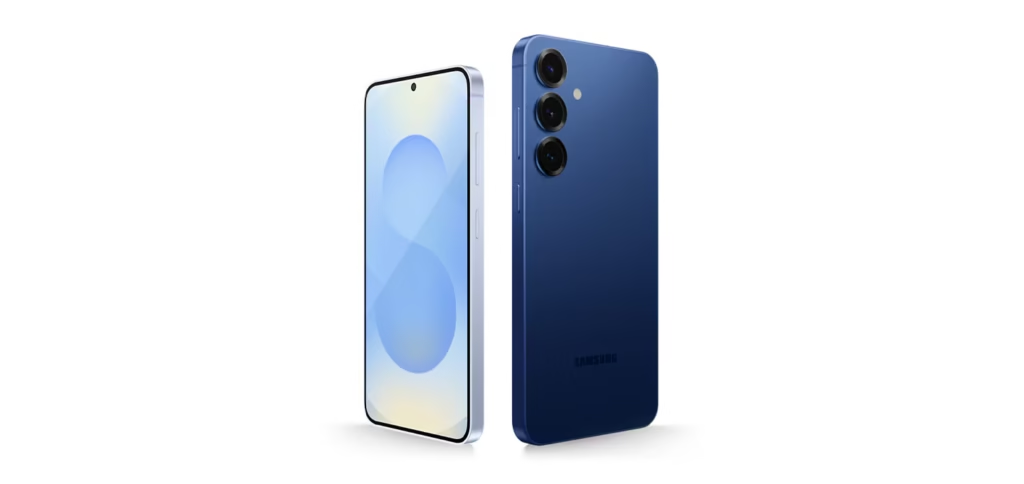
Samsung’s quick reversal is more than just a product line adjustment; it’s a significant case study in corporate agility.
- Listening to the Market: It demonstrates that even a behemoth like Samsung is not immune to market forces and is willing to pivot based on sales data and consumer feedback. This flexibility is crucial in the hyper-competitive smartphone industry.
- The Danger of Gimmicky Innovation: The S25 Edge serves as a cautionary tale about innovation that feels more like a gimmick than a genuine improvement. A thinner phone is not a compelling selling point if it comes at the cost of battery life, performance, and camera capability.
- The Strength of a Portfolio: By offering four distinct models, Samsung is adopting a “shotgun” approach, ensuring it has a device for virtually every type of premium smartphone buyer. This mitigates the risk associated with any single model underperforming.
- The Reaffirmation of the “Plus” Formula: The revival of the Plus model is a reaffirmation that a significant portion of the market values a balanced, no-compromise large-screen phone. It is a proven formula that Samsung should never have abandoned.
Conclusion: A Course Correction for a Flagship Leader
The reported revival of the Galaxy S26 Plus is a clear and decisive course correction by Samsung. The company experimented with the Galaxy S25 Edge, pushing the boundaries of design, but the market responded with a clear message: substance must come before style in the flagship segment. The S25 Edge’s thermal issues, camera shortcomings, and poor battery life were compromises that consumers were unwilling to make at a premium price point.
By bringing back the S26 Plus, Samsung is signaling a return to its core strengths: delivering powerful, reliable, and fully-featured devices that cater to the actual needs of its users. The upcoming Galaxy S26 series, now potentially comprising four models, looks to be a more robust and strategically sound lineup, designed to recapture any lost ground and reaffirm Samsung’s position at the apex of the Android smartphone world. The story of the S26 Plus is not just about a new phone; it’s a story of a company learning from a rare misstep and adapting to secure its future.