



By: Anushka Verma
Updated : November 4, 2025
Introduction
Every year, Apple redefines its ecosystem with new hardware and software. But each leap forward also means leaving a few older devices behind. This time, with the rollout of watchOS 11, Apple has drawn a clear line between the old and the new.
The update, unveiled during the Worldwide Developers Conference (WWDC), brings a long list of powerful new features — from advanced health insights to AI-driven activity tracking. However, not all Apple Watch users will get to experience it. Apple has confirmed that three older smartwatch models — Apple Watch Series 4, Series 5, and the first-generation Apple Watch SE — will not receive the watchOS 11 update.
For users who have held onto their watches for years, this announcement might sting. But there’s a logical reason behind Apple’s decision — one that has to do with hardware capability, processing power, and the company’s vision for future AI-based watch experiences.
Let’s explore in depth what’s changing, which models are affected, why Apple made this decision, and what options you have going forward.
What is watchOS 11?
watchOS 11 is Apple’s latest smartwatch operating system designed to enhance the health, fitness, and personalization experience for users. It represents a natural evolution from watchOS 10, which focused on redesigned widgets and mindfulness tools.
This new version is all about intelligence, adaptation, and autonomy. Apple is integrating more machine learning (ML) features that analyze user behavior, daily movement, and vital metrics to give personalized insights — even without a paired iPhone nearby.
Some of the major improvements include:
- Smarter Health Insights powered by AI-driven analytics.
- Training Load Monitoring, which helps athletes measure workout intensity versus recovery.
- A more adaptive Smart Stack that automatically changes widgets based on time, weather, and activity.
- New Watch Faces that display live data tiles.
- Improved battery efficiency through background task optimization.
In short, watchOS 11 isn’t just a software refresh — it’s a shift toward a more intelligent, context-aware, health-first Apple ecosystem.
Which Apple Watch Models Support watchOS 11
Apple has confirmed that watchOS 11 will be available for the following devices later this fall:
| Supported Models | Launch Year | Chip |
|---|---|---|
| Apple Watch Series 6 | 2020 | S6 |
| Apple Watch Series 7 | 2021 | S7 |
| Apple Watch Series 8 | 2022 | S8 |
| Apple Watch Ultra | 2022 | S8 |
| Apple Watch SE (2nd Gen) | 2022 | S8 |
| Apple Watch Series 9 | 2023 | S9 |
| Apple Watch Ultra 2 | 2023 | S9 |
| Apple Watch Series 10 | 2024 | S10 |
All these models feature Apple’s Neural Engine or newer-generation chipsets designed for AI tasks, which is crucial for the latest OS features to function seamlessly.

Which Models Won’t Get the Update
The following Apple Watches will not receive watchOS 11:
| Unsupported Models | Launch Year | Final OS Version |
|---|---|---|
| Apple Watch Series 4 | 2018 | watchOS 10 |
| Apple Watch Series 5 | 2019 | watchOS 10 |
| Apple Watch SE (1st Gen) | 2020 | watchOS 10 |
These models, despite being functional, have reached the end of official software support. While they will continue to run smoothly on watchOS 10 for now, users won’t receive security patches or new features beyond 2025.
Why Apple Is Discontinuing Support for Older Models
Apple’s decision isn’t arbitrary. It’s rooted in hardware and processing limitations.
The older S4 and S5 chipsets used in Series 4 and 5 are simply not powerful enough to handle the complex algorithms and neural computations that watchOS 11 relies on. These chips lack a dedicated Neural Engine, which newer versions like S6 and beyond possess.
watchOS 11 introduces features that require on-device AI, such as contextual widget updates, adaptive training insights, and sleep pattern predictions — tasks that the old hardware simply cannot process efficiently without draining the battery.
According to Apple engineers, the aim is to deliver an optimal, smooth, and secure experience, rather than compromising performance on outdated chips. It’s the same logic the company followed with iPhones when dropping support for older processors.
The Performance Gap Explained
To understand Apple’s reasoning, it’s important to see how far the Apple Watch’s chipsets have evolved.
| Chip | Year | Neural Engine | Performance Gain | Supported OS |
|---|---|---|---|---|
| S4 | 2018 | ❌ No | — | watchOS 10 |
| S5 | 2019 | ❌ No | +20% | watchOS 10 |
| S6 | 2020 | ✅ Yes | +20% | watchOS 11 |
| S7 | 2021 | ✅ Yes | +10% | watchOS 11 |
| S8 | 2022 | ✅ Yes | +10% | watchOS 11 |
| S9 | 2023 | ✅ Yes + Neural Boost | +25% | watchOS 11 |
| S10 | 2024 | ✅ Yes + Energy Core | +30% | watchOS 11 |
The difference isn’t minor — newer chips not only process data faster but also handle energy efficiency and AI inference in real-time.
Older models simply can’t keep up with the neural workloads introduced by watchOS 11.
Key Features in watchOS 11
1. Smarter Health Tracking
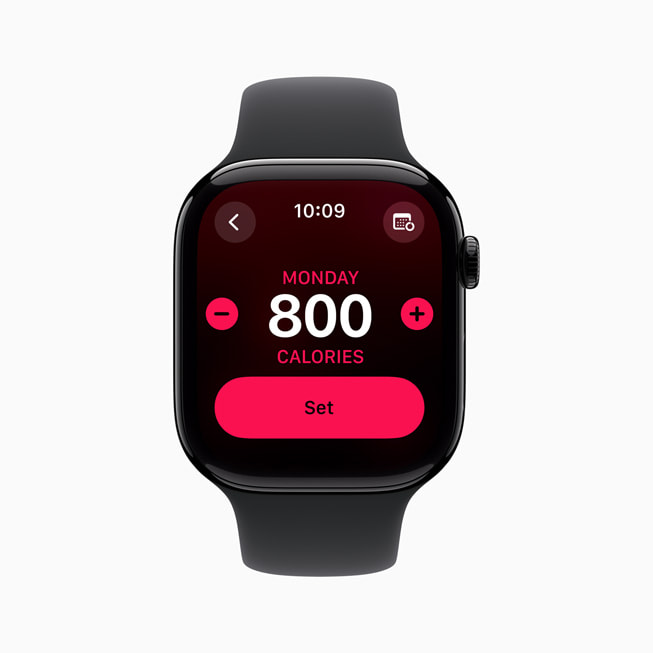
The new Training Load feature uses heart rate, pace, and workout intensity data to estimate how much stress your body endures each day. It then compares it with your recovery metrics, guiding you toward more balanced fitness routines.
2. Sleep and Recovery Analytics
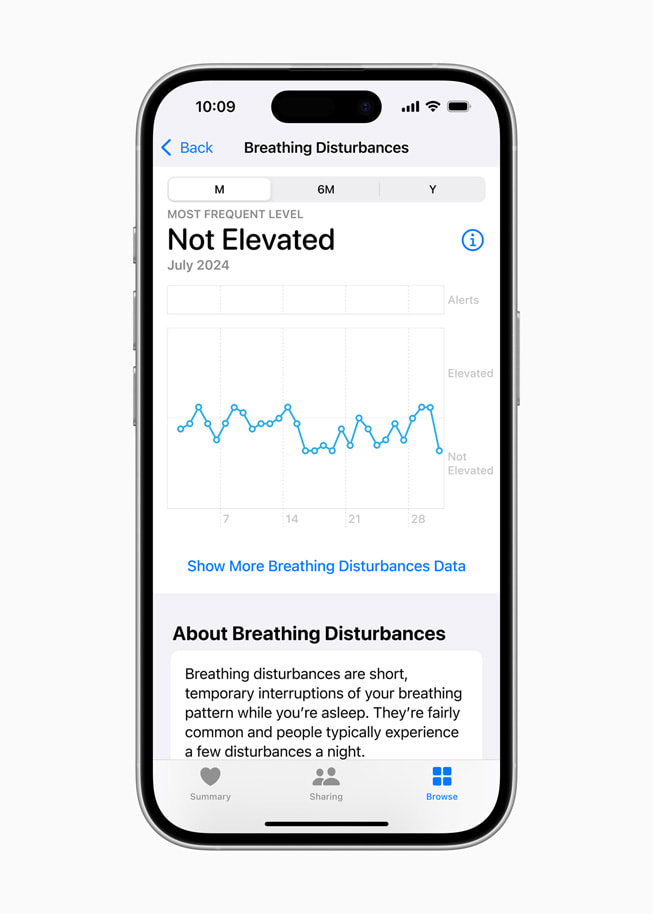
Apple has expanded its sleep-tracking capabilities with Recovery Mode, showing how ready your body is for physical exertion. It factors in heart rate variability (HRV), sleep duration, and motion data.
3. Context-Aware Smart Stack
The Smart Stack now adapts automatically — showing weather updates in the morning, meeting schedules during work hours, and fitness rings in the evening. It’s a subtle but game-changing improvement that saves time.
4. Enhanced Safety Tools
watchOS 11 improves Crash Detection and Fall Detection accuracy using upgraded AI models. These now trigger alerts faster and more reliably, especially for cyclists and hikers.
5. Improved Battery Efficiency
Thanks to intelligent background task management and sensor optimization, Apple claims a 10–15% better battery life for supported devices running watchOS 11.
6. New Watch Faces and Live Wallpapers
Apple has introduced three new watch faces — Solar Motion, Chrono Active, and Dynamic Modular — each supporting live tiles that can show step count, weather, or calendar events.
What Happens If You Don’t Update
If you own a Series 4, 5, or first-gen SE, your watch will continue functioning normally. However:
- You won’t receive new features or security updates.
- Some newer iPhone apps may stop syncing properly after future iOS updates.
- Health and fitness data accuracy may gradually decline due to outdated algorithms.
In short, your Apple Watch will still work — but it will slowly fall behind Apple’s ecosystem over the next year or two.
Should You Still Keep an Older Watch?
If your current watch meets your needs for time, notifications, and basic health tracking, you don’t have to upgrade immediately.
However, for users who rely on Apple Fitness+, ECG readings, or advanced metrics, upgrading will make a noticeable difference. The experience with Series 9 or 10 is smoother, faster, and more intelligent — with deeper health insights and better battery management.
Best Alternatives and Upgrade Options
If you’re considering upgrading, here are your best choices in 2025:
| Model | Price in India (Approx.) | Key Features |
|---|---|---|
| Apple Watch Series 9 | ₹44,900 | S9 chip, Double Tap gesture, Always-on display |
| Apple Watch SE (2nd Gen) | ₹29,900 | S8 chip, Crash detection, value-for-money |
| Apple Watch Ultra 2 | ₹89,900 | Titanium build, extreme sports tracking, brightest display |
| Apple Watch Series 10 | ₹47,900 | S10 chip, longer battery, advanced AI health tools |
The Series 10, launched earlier this year, is the most future-proof choice with an enhanced Neural Core and all-day battery optimization.
How Long Does Apple Support Its Watches?
Apple generally supports its smartwatches for 5 to 6 years of major software updates, plus about a year of security patches after that.
That means Series 4 (launched in 2018) has already received six major OS versions — a reasonable lifespan in the wearable market.
The Bigger Picture: Apple’s Strategy
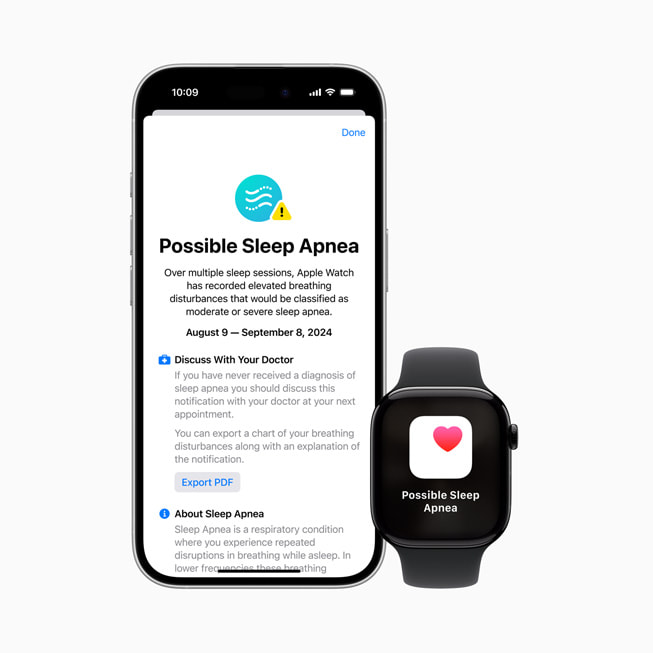
Apple’s decision highlights its shift toward AI-integrated health systems. The company wants all active devices to support on-device intelligence, reducing reliance on iPhone processing.
By doing so, Apple ensures that its ecosystem remains unified — where each watch, phone, and iPad communicates seamlessly with Siri 2.0, HealthKit, and Fitness+.
This gradual phasing-out of older devices isn’t meant to alienate users; it’s part of the company’s long-term vision for smarter, context-aware wearable tech.
User Reactions
Many Apple users on online forums and Reddit threads have expressed mixed feelings. Some appreciate the performance-driven update policy, while others criticize Apple for what they see as “forced obsolescence.”
However, experts agree that older devices lacking Neural Engines simply cannot deliver the watchOS 11 experience efficiently.
Developers have also praised Apple’s move, as it simplifies app optimization and testing across fewer devices.

Conclusion
watchOS 11 marks a significant milestone in Apple’s wearable journey. While it brings an exciting array of features for modern users, it also signals the end of the road for three beloved models — the Apple Watch Series 4, Series 5, and the first-generation SE.
For those holding onto these watches, the decision might feel disappointing. Yet, from a technical standpoint, Apple’s focus on performance, security, and innovation makes sense.
If you’re planning to stay deeply integrated with Apple’s ecosystem and want access to future AI-powered health features, upgrading to the Apple Watch Series 9 or 10 (starting ₹44,900) will be worth the investment.
The bottom line?
Apple’s innovation never stops — and sometimes, progress means saying goodbye to the past.