


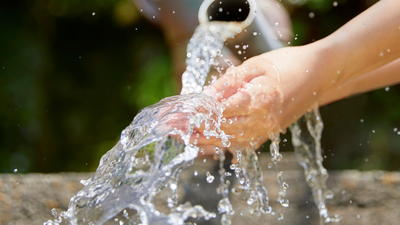
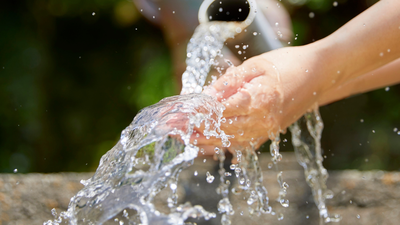
For most people, water is harmless, even comforting. It cools the body on hot days, washes away dirt, and makes up nearly 60 percent of the human body itself. But for a tiny number of people around the world, contact with water can trigger painful, itchy hives within minutes. The condition, known as Aquagenic urticaria, is so rare that only a limited number of cases have been formally documented in medical literature. Researchers say patients can react to showers, rain, swimming pools, and in some cases even their own sweat. Although scientists still do not fully understand the disorder, decades of medical studies confirm that this unusual condition is real.
What scientists know about water allergy
The condition was first described in 1964 by researchers F. Shelley and W. Rawnsley, who documented patients developing hives after water exposure. Since then, dermatologists and immunologists have tried to understand why it happens. Scientists believe people are not truly allergic to water itself. Instead, water may interact with substances in the outer layer of the skin, triggering immune cells called mast cells to release histamine, the chemical responsible for itching and swelling.A 1981 study by researcher R. G. Sibbald and colleagues found evidence of histamine release during water exposure, strengthening the theory that the condition is linked to an abnormal immune response rather than simple skin irritation.
Symptoms can appear within minutes
People with aquagenic urticaria typically develop small raised welts and intense itching shortly after water touches the skin. The reaction usually appears within 20 to 30 minutes and may last for an hour or longer. The longer the exposure, the more severe the symptoms can become.Doctors say even routine activities can become difficult. Patients may need to take extremely short showers, avoid swimming, or limit exercise if sweat triggers flare-ups. Interestingly, most people with the condition can still drink water normally because the reaction occurs through skin contact rather than through the digestive system.Because the disorder is so rare, diagnosis can take time. Doctors often rule out more common causes of hives before considering aquagenic urticaria. The standard diagnostic method is called a water provocation test, where a cloth soaked in room-temperature water is placed on the skin for around 20 minutes to see whether hives develop.Medical reviews, including a 2016 analysis by researchers Robert Rothbaum and Jean S. McGee, have highlighted how difficult the condition can be to recognise because many physicians may never encounter a case during their careers.
Is there a treatment?
There is currently no cure for aquagenic urticaria, but treatments can help control symptoms. Doctors usually prescribe antihistamines, which block the release of histamine in the body. Some patients with severe symptoms have also responded to therapies such as omalizumab, a medication commonly used for asthma and chronic allergic conditions.A 2022 systematic review by researcher Chuda Rujitharanawong and colleagues found that antihistamines remain the primary treatment option, although researchers are still searching for more effective therapies.
A mystery scientists still cannot fully explain
Despite decades of study, scientists still do not know exactly why some people develop aquagenic urticaria. Researchers continue investigating whether a hidden substance in the skin reacts with water to trigger the immune system. For now, the condition remains one of medicine’s strangest documented disorders, a rare example of how the body can sometimes react to even the most essential substance for life.