

by Anushka Verma | Updated: November 3, 2025,
Introduction
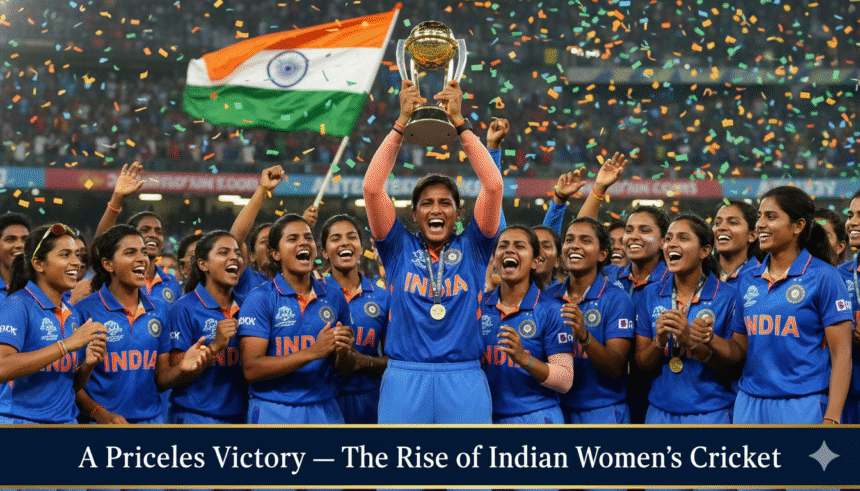
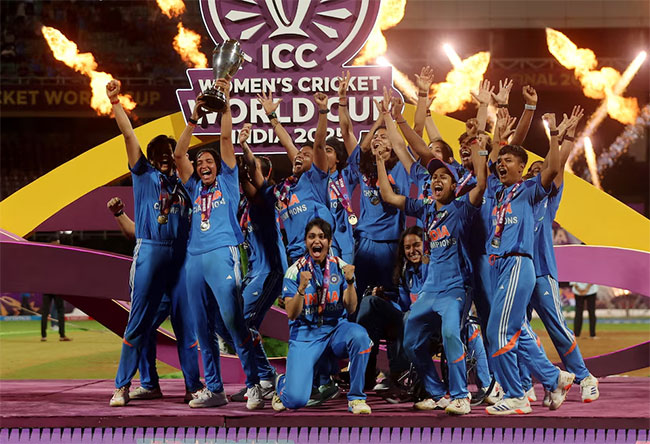
It was a night that redefined Indian cricket — a night when the long wait finally ended. As Harmanpreet Kaur lifted the ICC Women’s World Cup trophy high under the bright lights of Eden Gardens, the nation stood in awe. Tears, cheers, and triumph merged into one historic moment that India had dreamt of for years.
For generations, young girls in India had looked up to male cricketers as their role models — from Sachin Tendulkar to Virat Kohli. But now, a new chapter begins. The next generation will have Harmanpreet Kaur, Smriti Mandhana, Shafali Verma, Deepti Sharma, and Richa Ghosh as their icons — women who turned obstacles into opportunities and dreams into destiny.
This World Cup victory is not just a cricketing achievement; it is a social revolution — a priceless transformation that will inspire millions of young girls to believe that the bat and ball are no longer symbols of gender but of grit, determination, and glory.
A Dream Realized: From Gully Cricket to Global Glory
When Harmanpreet Kaur began playing cricket in Moga, Punjab, she was often the only girl among boys. She had heard of Mithali Raj, but there were no women’s matches on TV, no academies exclusively for girls, and certainly no talk of a professional women’s league.
From those dusty fields to lifting the World Cup, her journey mirrors the rise of women’s cricket in India — from the margins to the mainstream. Her teammates’ stories echo the same struggle.
Shafali Verma, who was named Player of the Match in the final, once cut her hair short so she could replace her brother in a local tournament. Deepti Sharma, crowned Player of the Tournament, started by bowling to her brother at practice sessions in Agra. And Pratika Rawal, who stood with her teammates on a wheelchair after a career-threatening injury, was the first girl to enroll at Delhi’s Rohtak Road Gymkhana.
These women didn’t just win a trophy — they redefined what it means to play for India.
The Turning Point: A Moment Bigger Than Victory
The World Cup triumph of 2025 has a deeper meaning beyond the scoreboard. It represents years of struggle, sacrifice, and silent progress that went unnoticed.
The 2017 final at Lord’s was heartbreaking but transformative — it sparked an awakening. It showed India that women’s cricket was worth watching, investing in, and celebrating. Yet, momentum faded after that. Funding slowed, domestic structure stagnated, and international exposure remained limited.
This time, the challenge is different: to make sure the fire doesn’t die out again. The 2025 victory must not be a fleeting headline. It should be the foundation of a new era in Indian cricket — an era where women cricketers enjoy equal opportunities, professional structures, and respect.
The Priceless Impact: Why This Win Matters Beyond the Boundary
When India’s men won the World Cup in 1983, it changed the country’s relationship with cricket forever. Kids started dreaming of being Kapil Dev. Sponsors, selectors, and the system followed suit.
The 2025 women’s World Cup victory has the same potential — maybe even more powerful. Here’s why:
- Representation Inspires Reality:
For the first time, young girls in small towns can see women who look like them lifting a world trophy. Role models create possibility — and this team has created 16 of them. - Breaking Stereotypes:
For decades, girls were told cricket is not for them. Today, those voices are silent. Harmanpreet’s team has proved that skill knows no gender. - Social Influence:
Beyond cricket, these players are now symbols of courage. They are challenging patriarchal norms and encouraging parents to support their daughters’ ambitions. - Economic Empowerment:
The recognition and endorsements coming their way will financially empower not just the players but also create new careers — coaches, physiotherapists, analysts, and broadcasters in women’s sports.
The Road Here: Stories of Sweat, Sacrifice, and Strength
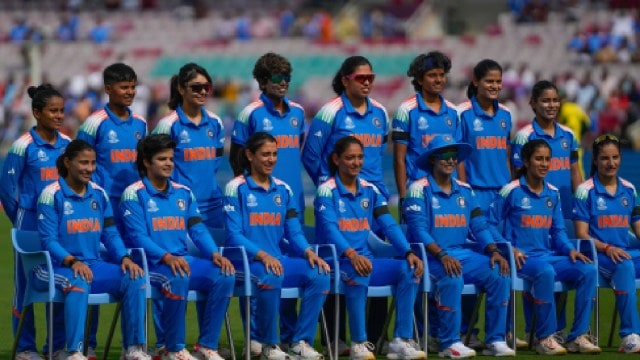
Behind every medal lies a story untold. These cricketers’ journeys were far from easy.
Renuka Singh Thakur walked miles to practice in Himachal’s cold mornings because transport wasn’t available. Richa Ghosh trained under lights that often went out due to power cuts. Deepti Sharma used to follow her brother to the ground because she wasn’t allowed to join officially at first.
These stories are more than personal — they are a reflection of India’s slow but steady progress in women’s sports. Their pain was real, but so was their passion.
And now, the same players who once borrowed kits and trained on uneven pitches are setting world records and inspiring a billion hearts.
The 2025 Final: A Night to Remember
The final against Australia was the stuff of dreams. Under immense pressure, India showcased skill and composure rarely seen on the biggest stage.
Shafali Verma’s explosive innings at the top set the tone, while Smriti Mandhana’s elegant 70 steadied the ship. Deepti Sharma’s all-round brilliance — a half-century with the bat and key wickets with the ball — earned her the Player of the Tournament award.
But what stood out most was the unity and belief. Every catch, every dive, every cheer from the dugout reflected years of preparation and unbreakable spirit. When the final wicket fell, Harmanpreet’s tears told the story — this wasn’t just a victory, it was vindication.
The Future of Women’s Cricket: Challenges and Opportunities
Now that the trophy is home, the real work begins. If the Board of Control for Cricket in India (BCCI) and sports authorities can harness this momentum, India can become the global powerhouse of women’s cricket for decades.
Here’s what’s needed next:
- A Strong Domestic Structure:
India needs a full-fledged Under-19, A, and domestic multi-day system for women. It’s time to give the next generation consistent cricket, not occasional tournaments. - Professional Leagues:
The Women’s Premier League (WPL) was a game-changer, but it must expand. More teams, longer seasons, and proper marketing can turn it into a global brand like the IPL. - Investment in Infrastructure:
Dedicated women’s academies, fitness centers, and coaching facilities across all states are essential. Every state association must ensure equal access to resources. - Grassroots Development:
Schools and colleges must include girls’ cricket as part of their mainstream sports programs. Scholarships, inter-district tournaments, and mentorship from senior players can fuel the pipeline. - Media and Broadcast Support:
Visibility is power. More live matches, documentaries, and storytelling around women cricketers can create fan loyalty and public engagement. - Mental Health and Education:
Building champions means caring for their minds too. Sports psychologists, mentorship programs, and educational flexibility should be integrated into player management.
The Ripple Effect: Inspiring Generations Beyond Cricket
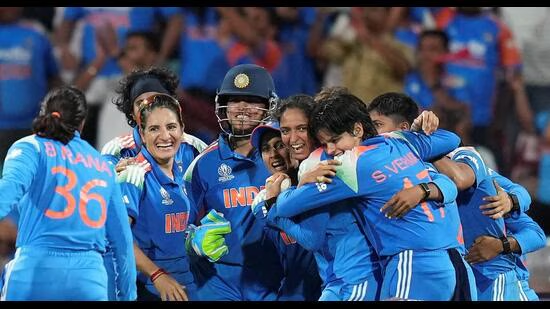
This victory’s impact will not be confined to cricket. It will reach every home, every classroom, and every playground where girls are still told to “play safe.”
When young girls see players like Deepti Sharma or Renuka Singh on TV, they see what’s possible. And when parents see them receiving national awards and government recognition, their attitudes change too.
Sports create social change — and women’s cricket is now India’s most powerful tool to redefine gender equality in athletics.
The Forgotten Lessons of 2017: Don’t Let History Repeat Itself
After the 2017 World Cup final, India was on the verge of transformation. But poor planning, lack of tours, and administrative inertia slowed everything down.
This time, the system cannot afford to forget. Those who run the game — selectors, administrators, and sponsors — must take the right initiatives. Better planning of tours, a full-fledged A program, and consistent focus on grassroots cricket are the need of the hour.
Cricket must not be seasonal for women — it must be sustainable.
The Priceless Legacy of Harmanpreet Kaur and Her Team
Harmanpreet Kaur’s leadership will go down as one of the most defining eras in Indian cricket. Her fearlessness, emotional intelligence, and ability to bring out the best in her teammates made all the difference.
But more importantly, this team built something priceless — a legacy.
- They taught the country that cricket is not gendered.
- They showed that dreams from small towns can conquer the world.
- They made little girls believe that they can hold the bat with pride.
When India’s tricolor waved over Eden Gardens that night, it wasn’t just about victory — it was about validation.
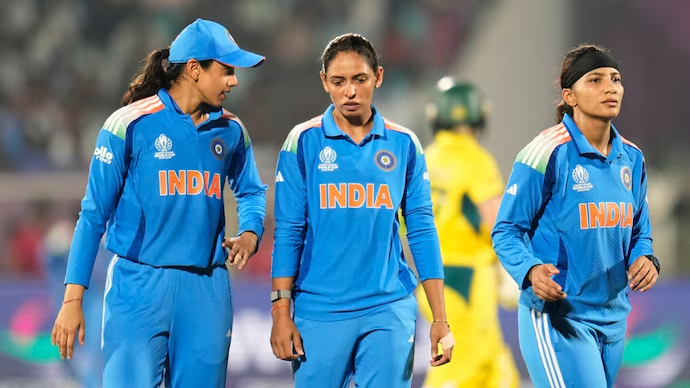
Voices from the Ground: The Real Heroes Speak
“When I started, people said girls shouldn’t play cricket. Today, they cheer for us. That’s our biggest win.”
— Harmanpreet Kaur, Captain, India
“I used to watch my brother play and wish I could bat too. Now, girls in my hometown wear my jersey. That’s the change I wanted to see.”
— Deepti Sharma, Player of the Tournament
“This victory is not ours alone. It belongs to every girl who was told she can’t.”
— Smriti Mandhana, Vice-Captain
The Economic and Cultural Boom: Women’s Cricket as a Brand
The business side of cricket is evolving too. After this win, sponsorship deals are flooding in. Companies are eager to associate with these champions who represent resilience, teamwork, and integrity.
The women’s team is no longer an “extension” of the men’s setup; it is an independent brand that commands its own following.
Social media engagement, merchandising, and fan clubs are growing at record pace. Stadium attendance for women’s matches has doubled since 2022. The World Cup victory has turned these players into national icons — household names across languages and regions.
A Priceless Moment in Indian Sport
In a nation of 1.4 billion, moments like these unite people beyond caste, class, or gender. The women’s cricket team’s triumph has joined the ranks of 1983, 2007, and 2011 — immortal victories that changed Indian sport forever.
This isn’t just about cricket. It’s about courage. It’s about the priceless power of believing in yourself when no one else does.
Conclusion: The Future Is Female, The Future Is Fearless
As India celebrates this golden moment, one thing is clear — the story of women’s cricket has only just begun.
In the years to come, academies will be filled with girls inspired by this victory. Streets will echo with names like Shafali, Deepti, Smriti, and Harmanpreet. And one day, a young girl holding a bat for the first time will say, “I want to be like her.”
That is the true prize — a future where gender no longer defines potential.
This World Cup win is not just a headline. It’s a revolution — a priceless turning point for Indian cricket and for every girl who dares to dream.